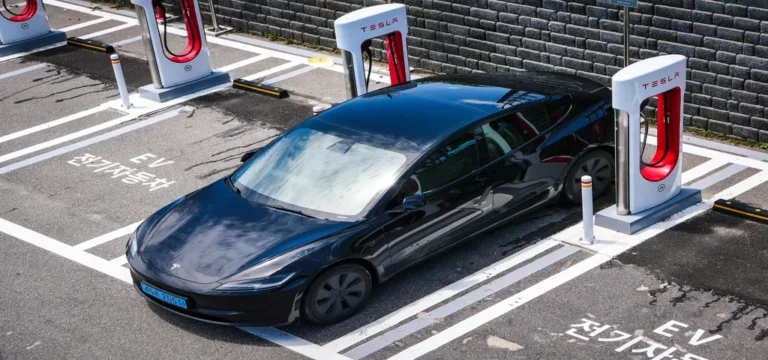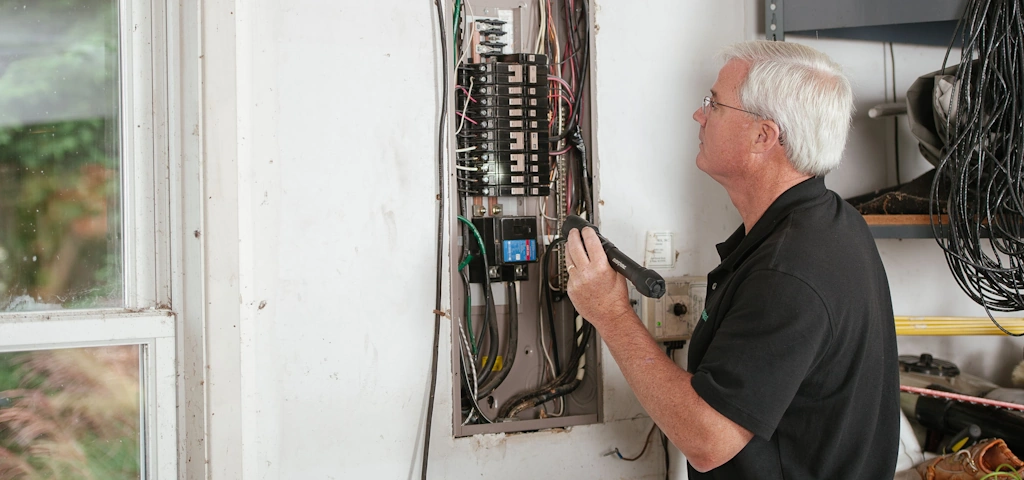
Whenever you install a Level 2 EV charger at home, your electrician will almost certainly recommend installing a 50-amp GFCI breaker along with it. They will tell you it is for electrical safety and to prevent nuisance trips.
So far, it sounds like a routine process of charger installation.
But then, your EV charger already has a built-in ground-fault protection. And you will come across many online tutorials and forums claiming this protection is sufficient and you don’t need an extra GFCI breaker.
So, what’s true?
Well, the answer depends on how your EV charger is installed, which electrical code applies to your location, and what the charger manufacturer requires.
In this blog, I have explained everything about GFCI breaker for EV charger, including when it is needed for Level 2 EV chargers. Also, I have shared tips on how to prevent frequent breaker trips.
So, let’s get into it.
Key takeaways
- Plug-in Level 2 EV chargers connected through receptacles require GFCI protection under NEC 625.54.
- Hardwired EV chargers need to be evaluated for GFCI protection requirements under the applicable NEC codes, installation location, and local requirements.
- A 32-amp charging rate requires a 40-amp GFCI circuit, while 40-amp charging commonly requires a 50-amp GFCI circuit.
- Some EV chargers have built-in ground-fault protection, but that doesn’t remove GFCI requirements.
- Repeated GFCI trips are signs of electrical fault or a compatibility issue that needs proper assessment.
What is a GFCI breaker for EV charger?
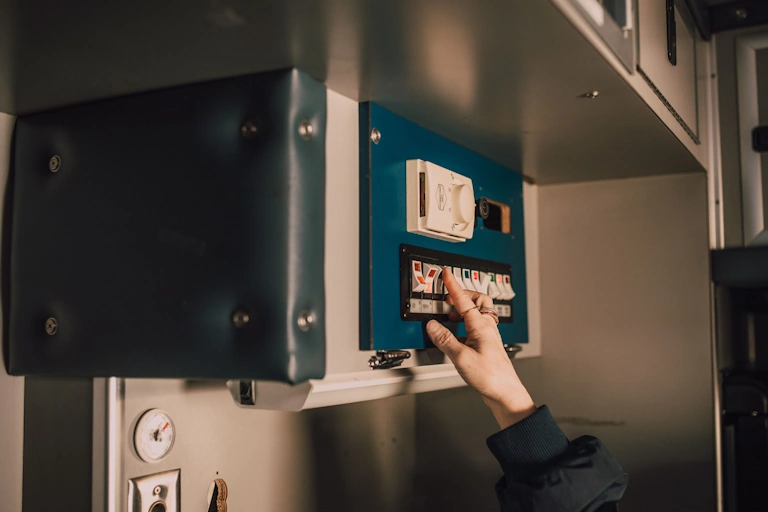
A GFCI (Ground-Fault Circuit Interrupter) breaker is a protective device that detects electrical current leaking from its intended path and shut off power when it detects a ground fault.
Here’s what it means for EV charging in simple words:
When you are charging your EV with a Level 2 charger, you are dealing with a high-powered electrical appliance that operates for several hours at a time. And if even a small fault happens in the charger during this time, it will allow electricity to travel through an unintended path. This can result in a serious shock hazard.
A GFCI circuit breaker for EV charger helps protect against this very risk by constantly monitoring the current flowing through the circuit.
Now, although it might sound similar to standard circuit breakers, a GFCI circuit breaker is quite different. Here’s how:
| Standard Circuit Breaker | GFCI Circuit Breaker |
| Protects against electrical overloads. | Protects against electrical shocks. |
| Trips when too much electricity flows through the circuit. | Trips when electricity leaks where it shouldn’t. |
| Helps prevent wiring from overheating. | Helps protect you from dangerous electrical faults. |
Do all EV chargers need a GFCI breaker?
No, not all EV chargers need a GFCI breaker. But it is highly likely that you will need one if you have a plug-in Level 2 EV charger connected through a NEMA 14-50 outlet or similar receptacle.
Also, even hardwired EV chargers can need a GFCI protection. But whether or not you will need it will depend on which NEC codes and local codes apply to your property.
Sounds like a lot?
Well, I have explained everything in detail for better understanding.
A. GFCI protection for plug-in Level 2 EV chargers
If you’re installing a Level 2 charger using a NEMA 14-50 receptacle, GFCI protection is mostly needed.
You see, under NEC Section 625.54, receptacles installed for connecting EV charging equipment must have GFCI protection for personnel.
Here, for a residential installation, an electrician provides this protection using a double-pole GFCI breaker in the electrical panel.
Also, this applies even if the plug-in EV charger has its own built-in ground-fault protection. Meaning the charger’s internal protection does not remove the requirement for the receptacle.

No More $10k Electrical Panel Upgrade to Charge Your EV at Home
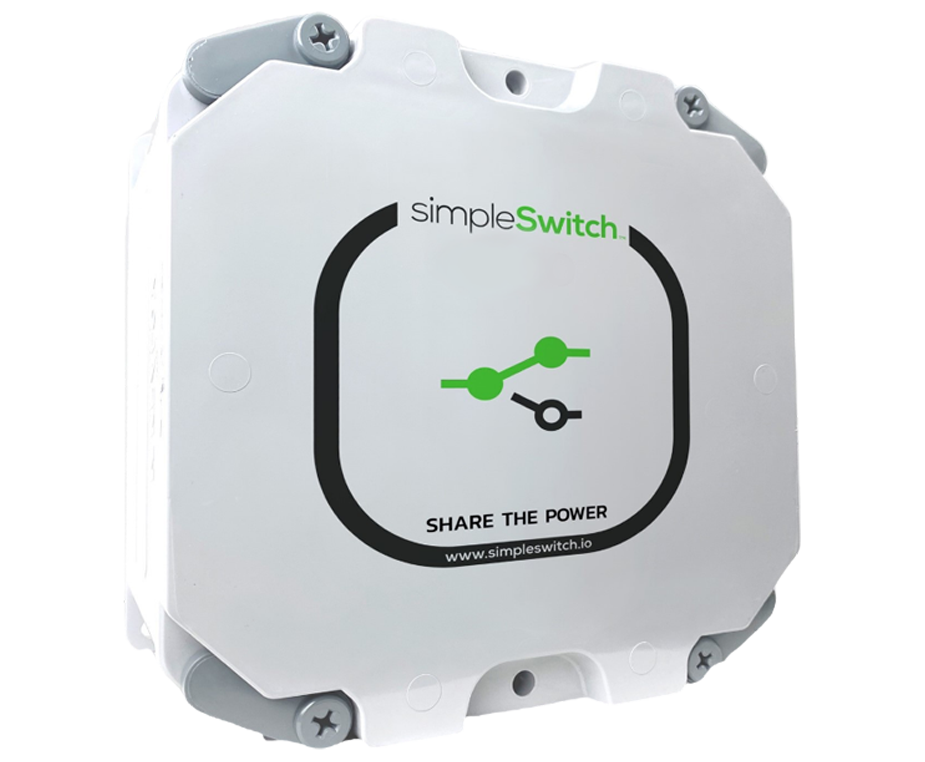
simpleSwitch lets you add a Level 2 EV charger to your home without an expensive electrical panel upgrade. Your EV charges safety without panel overload.
 30-day risk-free returns
- NEMA-rated
- Works with your existing panel
B. GFCI protection for hardwired Level 2 EV chargers
Hardwired chargers are where things get a bit more complicated.
You see, unlike plug-in chargers, hardwired EV chargers connect directly to your home’s electrical panel. They don’t use a wall outlet like a NEMA 14-50 receptacle at all.
So, do they still need GFCI protection?
Well, it depends on which version of the National Electrical Code (NEC) your area follows and where the charger is installed.
For instance, the 2023 NEC Section 625.54 requires GFCI protection for receptacles used to connect EV chargers. Now, since a hardwired charger doesn’t use a receptacle, this doesn’t apply to it. Meaning, the 2023 NEC is followed in your area, you don’t need a GFCI breaker for EV charger.
However, the 2026 NEC Section 625.54 changed things. Here, both receptacles and outlets used for EV charging need GFCI protection. Meaning, if the 2026 NEC is followed in your area, you will likely need a GFCI breaker for EV charger.
Important note: Even if the 2023 NEC is followed in your area, you might still need GFCI protection for an outdoor hardwired EV charger. That’s because the NEC section 210.8(F) still requires GFCI protection for outdoor electrical outlets.
Here’s what I suggest homeowners with hardwired EV chargers
Never assume that a hardwired EV charger is exempt from GFCI protection. The applicable NEC edition in your area, local code requirements, and whether the charger is installed indoors or outdoors all determine whether or not you need a GFCI breaker. My advice is to have a licensed electrician check your local requirements before installing the EV charger.
Bonus: Double GFCI protection can cause unwanted tripping
Yes, that’s right!
Since some hardwired EV chargers already have built-in ground-fault protection, adding another GFCI device can sometimes cause unwanted tripping.
And to deal with this, a proposed amendment called TIA 1892 seeks to limit Section 625.54’s GFCI requirement to receptacles rather than both receptacles and outlets. Simply put, it wants to take things back to the 2023 NEC requirements.
Yes, it is not a law yet, but if your hardwired EV charger has double GFCI protection now due to the 2026 NEC, you can bank your hopes on this.
What size GFCI breaker do you need for an EV charger?
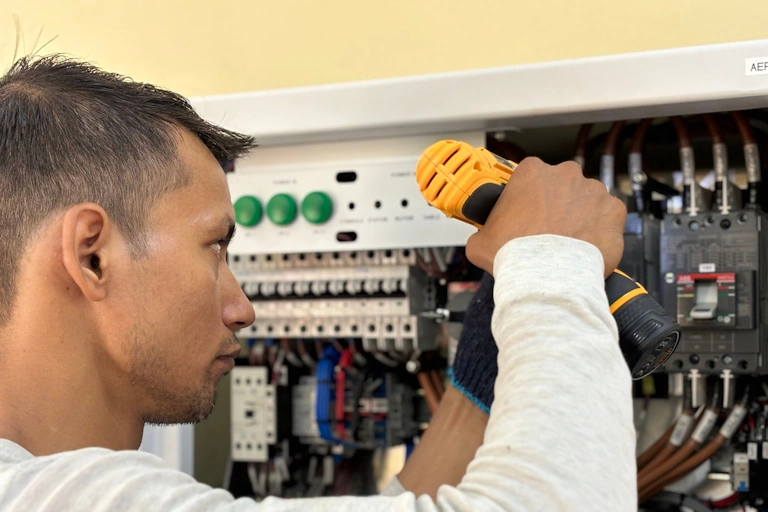
The right GFCI breaker size depends on your EV charger’s maximum charging current and the circuit it is connected to. You can’t simply match the breaker rating to the amps shown on your EV charger.
You see, EV charging is treated as a continuous load because the charger draws power for many hours. That’s why under NEC 625.41’s 125% sizing rule, the electrical circuit supplying EV charging equipment must be sized for at least 125% of the charger’s maximum load.
Here’s what it means for GFCI breaker size based on your EV charger’s load:
| EV Charger Load | Minimum Circuit / Breaker Size |
| 32 amps | 40 amps |
| 40 amps | 50 amps |
| 48 amps | 60 amps |
For instance, if you have a 40-amp Level 2 charger, it will need a 50 amp GFCI breaker. Similarly, if you have a 32-amp charger, it will need a 40 amp GFCI breaker.
And if that installation uses a NEMA 14-50 receptacle, the receptacle circuit will also need the applicable GFCI protection.
What if your EV charger already has built-in GFCI protection?
A lot of Level 2 EV chargers include an internal ground-fault protection system. You can see this described as a CCID (Charging Circuit Interrupting Device) in the manufacturer’s documentation.
So, if your charger already has this protection, will you still need a GFCI breaker?
Well, the answer is mostly yes.
You see, CCID is the charger’s internal protection. And it is not interchangeable with the GFCI protection needed for the supply circuit.
Meaning a plug-in charger connected to a NEMA 14-50 receptacle, or a hardwired charger installed outdoors, will still need GFCI under the applicable electrical codes.
Note: Certain combinations of internal charger CCID protection and an upstream GFCI breaker cause nuisance tripping. This is why I suggest you check the exact charger’s installation instructions as part of EV charging best practices rather than assume every model works with the same breaker arrangement.
Why does your EV charger keep tripping the GFCI breaker?
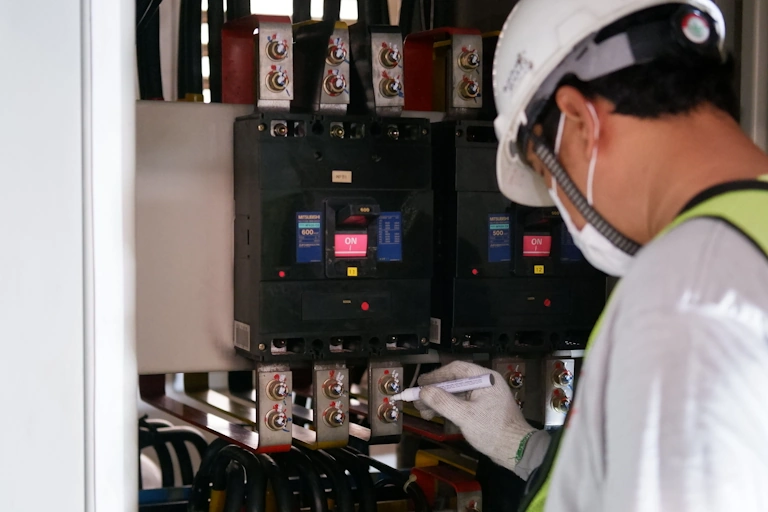
If your EV charger keeps tripping the GFCI breaker, it is not because the breaker is simply too sensitive or that the charger is drawing too much power.
A GFCI trip can indicate current leakage or another ground-fault problem. Here are some common causes of nuisance trips:
- Moisture or water ingress: Water inside the charging connector, cable, receptacle, or charger can cause a ground fault.
- Damaged charging equipment: A worn cable, damaged plug, or faulty connector can cause protective devices to trip.
- Wiring or grounding problems: Incorrect wiring, poor grounding, or loose electrical connections can also be likely causes.
- Charger and breaker compatibility: Some EV chargers have internal ground-fault protection that can interact with an upstream GFCI breaker and cause nuisance trips.
For instance, Tesla’s troubleshooting guide lists water ingress and equipment damage as possible causes of ground-fault alerts.
Pro tip: If your GFCI breaker keeps tripping, don’t replace it with another breaker without understanding why it tripped in the first palace. Before any replacement, you should rule out wiring problems, moisture, damaged equipment, and compatibility issues. Also, never replace a required GFCI breaker with a standard breaker just to stop nuisance trips. Have a licensed electrician identify the cause and confirm the correct protection for your charger and installation.
What should you check before installing a GFCI breaker?
Before you install a 40 amp or 50 amp GFCI breaker, or a different sized GFCI breaker for EV charger, ask your electrician to check the following things:
- Charger model: The electrician should review the manufacturer’s installation manual and ground-fault protection specifications.
- Connection type: They should confirm whether you’re installing a NEMA 14-50 plug-in charger or a hardwired unit.
- Local electrical code: They should check the NEC edition adopted by your jurisdiction and any local amendments.
- Circuit and wiring: They should verify breaker size for EV charger, conductor ampacity, grounding, and receptacle rating.
- Panel capacity: They should confirm that your electrical panel can safely accommodate the new EV charging circuit.
FAQs about GFCI breaker for EV charger
Do all Level 2 EV chargers need a GFCI breaker?
Not necessarily in the same way. Plug-in Level 2 chargers using receptacles mostly do need GFCI protection under NEC 625.54. Hardwired installations need a GFCI protection too, but mostly when they are being installed outdoors or if NEC 625.54’s 2026 version is applied in your area.
Does a 50-amp GFCI breaker work for a 40-amp EV charger?
Yes, a40-amp charging load commonly uses a 50-amp branch circuit because EV charging is a continuous load. However, the correct breaker and GFCI arrangement should always match the wiring, equipment ratings, and local requirements.
Can an EV charger trip a GFCI breaker even if it has built-in protection?
Yes. Some chargers have internal ground-fault protection that can interact with an external GFCI breaker and cause nuisance trips.
However, you should never remove required protection without confirming a code-compliant alternative with a qualified electrician.
Should I use a GFCI breaker for a hardwired EV charger?
It depends on the applicable NEC edition, installation location, and charger instructions. Hardwired installations don’t use a receptacle, so under NEC 625.54’s 2023 version, they don’t need GFCI protection. But they do need GFCI protection when they are being installed outdoors or if NEC 625.54’s 2026 version is applied in your area.
Can I replace a tripping GFCI breaker with a regular breaker?
No, you should first identify why the GFCI is activating and confirm what protection the installation requires. Bypassing required ground-fault protection can create a serious shock hazard.
No More $10k Electrical Panel Upgrade to Charge Your EV at Home
simpleSwitch lets you add a Level 2 EV charger to your home without an expensive electrical panel upgrade. Your EV charges safety without panel overload.
- 30-day risk-free returns
- NEMA-rated
- Works with your existing panel
Final words
As you can see, a GFCI breaker for EV charger is almost certainly needed for plug-in Level 2 EV chargers and outdoor hardwired chargers. Also, if NEC 625.54’s 2026 is applicable in your area, you will need a GFCI breaker for every EV charger installation, be it plug-in or hardwired.
Now, even with GFCI breaker, there is a good chance you can end up with breaker trips if your home’s electrical panel doesn’t have enough capacity for the charger.
Ask your electrician about this, and they will suggest you expand your electrical panel capacity. But this expansion alone can cost you up-to $10,000.
That’s why, at simpleSwitch, we have developed a state-of-the-art EV load sharing device that lets you use a Level 2 charger without electrical panel upgrade. This works by safely sharing the spare electrical capacity from other similar high-power appliances like dryer, induction cooktop, hot-tub, etc.
Our load sharing devices have won multiple awards, are UL-listed, and proudly made in America for top-notch quality.
You might also want to read: Is It Even Worth Buying An EV In 2026?