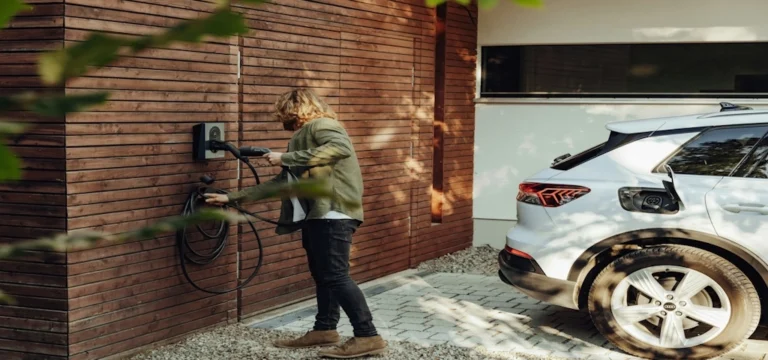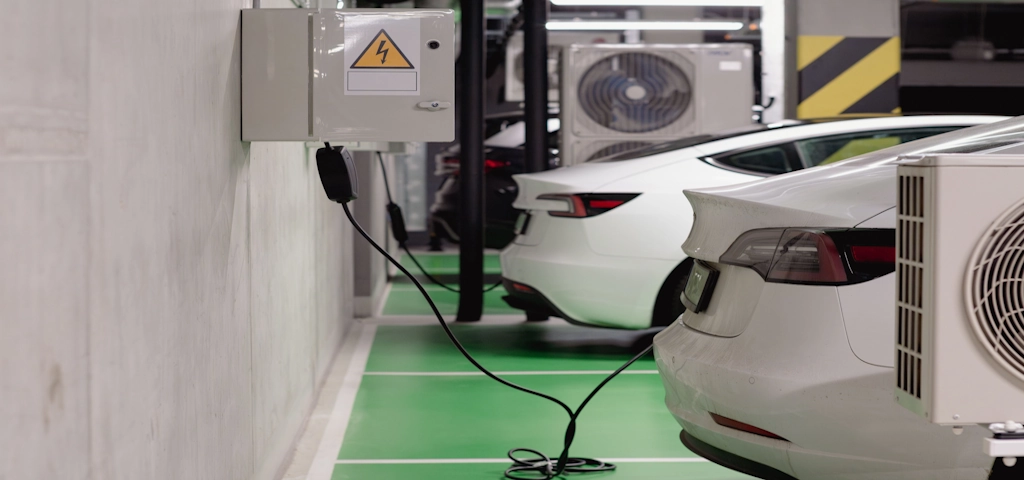
Is your EV charger charging slower than usual or has it suddenly stopped working?
If yes, you’re at the right place.
You see, EV charger issues are more common than you think. That’s because although most EV chargers are designed to last for years, things like damaged cables, loose connections, dirt buildup, and software issues can sometimes cause charging problems.
Thankfully, most EV charger problems are easy to identify and, in some cases, easy to fix.
All you need is basic EV charger maintenance, and you can avoid unexpected charging interruptions, costly repairs, and unnecessary downtime.
Now, you might be new to EV charger troubleshooting, and I get it. That’s exactly why, in this blog, I have explained everything about maintaining an EV charger without the unnecessary EV jargon.
So, read on to know:
- What is EV charger maintenance is
- Why charger maintenance is important
- Common EV charging problems you might face
- Basic troubleshooting tips to get your charger working
- EV charger repair costs
- And how to keep your charger running safely for years
Key takeaways
- Regular EV charger maintenance helps improve reliability and safety
- You can identity ost EV charger issues through simple inspections
- Damaged cables, loose connections, and software issues are among the most common charging problems
- Basic EV charger troubleshooting is possible without professional help
- Professional EV charger repair costs vary depending on the issue
- Preventive maintenance is often much cheaper than big repairs
What is EV charger maintenance?
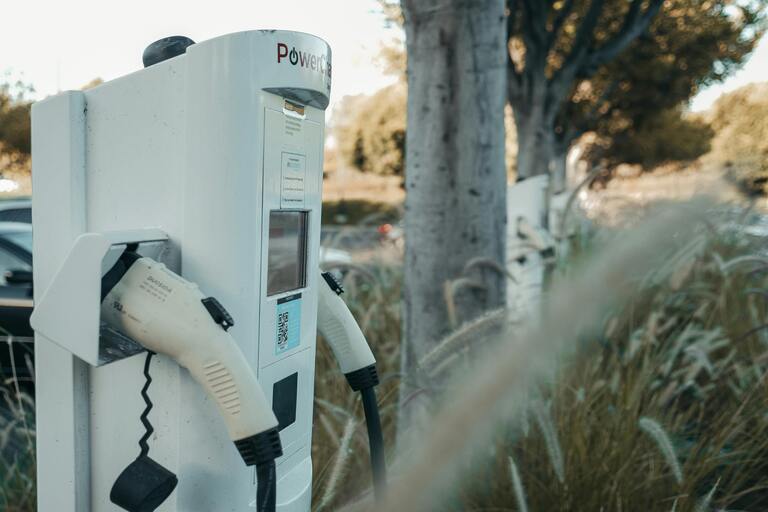
EV charger maintenance simply means inspecting, cleaning, testing, and maintaining your EV charger to ensure it continues operating safely and efficiently.
You see, while EV chargers don’t have as many moving parts as vehicles, they are still exposed to everyday wear and tear.
For instance, charging cables can get damaged with time, connectors can collect dirt and debris, and outdoor chargers can face rain, heat, and dust exposure related issues. Also, software-related issues can sometimes affect the charger.
All of this can either slow or even stop your EV charging.
This is why regular charger maintenance and EV charging best practices are essential.
A properly maintained charger is less likely to experience unexpected breakdowns, charging interruptions, or safety issues.
And the best part?
Maintaining an EV charger is fairly simple and doesn’t require advanced technical knowledge. In most cases, all it takes is a quick visual inspection and occasional cleaning to prevent big problems down the road.

No More $10k Electrical Panel Upgrade to Charge Your EV at Home
simpleSwitch lets you add a Level 2 EV charger to your home without an expensive electrical panel upgrade. Your EV charges safety without panel overload.

 30-day risk-free returns
- NEMA-rated
- Works with your existing panel
Why is EV charger maintenance important?
A lot of EV owners assume that once a charger is installed, it will continue working perfectly for years without any attention.
But, even though EV chargers are generally very reliable, that’s not always the case.
You see, the charger experiences heavy electrical loads almost every day. And this can cause wear on certain components.
Not to mention environmental factors can also affect overall charger performance.
For instance:
- Outdoor chargers can face damage due to moisture and temperature changes
- Charging connectors can collect dirt and debris
- Cables can become worn from repeated use
- Software and firmware on smart EV charger might require updates
- Electrical connections can loosen over time
And when these issues go unnoticed, they can eventually affect EV charging performance or even cause the charger to stop working altogether.
That’s why maintaining the EV charger is essential.
Here are some benefits of regular EV charger maintenance:
| Benefit | Why it matters |
| Improved reliability | Helps reduce unexpected charging interruptions |
| Better safety | Helps identify damaged components before they become hazards |
| Lower repair costs | Small issues can be fixed before they become major problems |
| Longer charger lifespan | Helps keep equipment in good condition |
| Better charging performance | Supports consistent charging speeds and operation |
As you can see, EV charger maintenance isn’t just about preventing breakdowns. It also protects your investment and makes sure your charger is ready whenever you need it.
What are the most common EV charger maintenance issues?
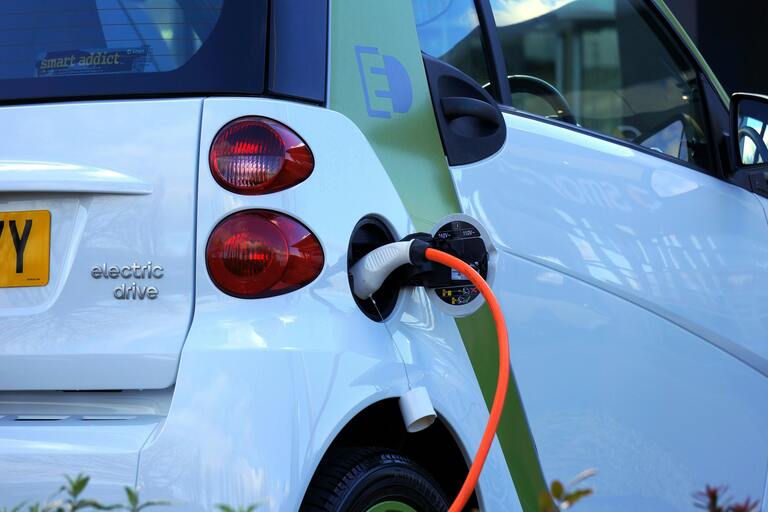
There are various types of EV charger problems EV owners commonly run into.
The good news is that most of these issues are relatively easy to identify once you know what to look for.
Here are some of the most common EV charger issues you might face:
1. Charger has no power
This is one of the most common EV charger issues people face.
You plug in your vehicle, but nothing happens. No charging session starts, the charger appears unresponsive, or the indicator lights don’t turn on.
And in many cases, the problem isn’t the charger itself. Instead, it could be caused by:
- A tripped circuit breaker
- A power outage
- A loose electrical connection
- A GFCI fault
- An issue with the charger’s power supply
Thankfully, this type of issue is fairly easy to troubleshoot.
2. Damaged charging cables
Your charging cable is one of the most frequently used parts of the entire charging system.
But repeated plugging, unplugging, bending, and exposure to weather can cause wear and tear. Some signs of EV charger cable damage you might notice include:
- Cracks in the outer insulation
- Exposed wiring
- Bent connector pins
- Frayed sections of cable
- Visible burn marks
A damaged cable can affect charging performance and might also create safety risks if left unaddressed. That’s why you should do regular cable inspections as part of your EV charger maintenance routine.
3. Slow charging speeds
Sometimes the charger appears to be working normally, but charging takes much longer than expected. This is a common issue EV owners experience.
Now, slow charging doesn’t always mean the charger is faulty. That’s because charging speeds can also be affected by:
- Vehicle battery temperature
- Charger settings
- Utility demand management programs
- Software issues
- Power limitations
- Electrical system restrictions
But still, you should check the charger and make sure there’s no problem before troubleshooting other problems.
4. Connectivity and software problems
With EV charging automation, chargers now often connect to:
- Mobile apps
- Wi-Fi networks
- Cloud-based management systems
While these features offer convenience, they can sometimes create additional troubleshooting challenges. For instance, you might face:
- Lost Wi-Fi connections
- App synchronization issues
- Firmware update failures
- Charging schedule errors
Thankfully, many software-related issues can be resolved through updates, resets, or network troubleshooting.
5. Overheating
EV chargers generate heat during operation. That’s completely normal.
However, EV charger or even connector overheating can sometimes stop the charger from working. Some possible causes of this include:
- Poor ventilation
- Damaged components
- Loose electrical connections
- High ambient temperatures
- Excessive electrical loads
6. Vehicle and charger communication errors
Before charging begins, the vehicle and charger communicate with each other through what is called EV charging handshake. This process ensures safe power delivery.
However, sometimes, communication errors can occur. And when this happens, you might notice:
- Charging sessions won’t start
- Frequent charging interruptions
- Error messages
- Flashing warning lights
These issues can be caused by connector problems, software glitches, vehicle settings, or charging port contamination.
In short, here are the most common EV charger maintenance issues you might face:
| Problem | Possible cause |
| Charger has no power | Tripped breaker, power supply issue, loose connection |
| Damaged cable | Wear and tear, weather exposure, physical damage |
| Slow charging | Charger settings, battery conditions, power limitations |
| Connectivity problems | Wi-Fi issues, software bugs, failed updates |
| Overheating | Poor ventilation, damaged components, high temperatures |
| Charging interruptions | Communication errors, connector issues, software problems |
EV charger troubleshooting: What should you do?
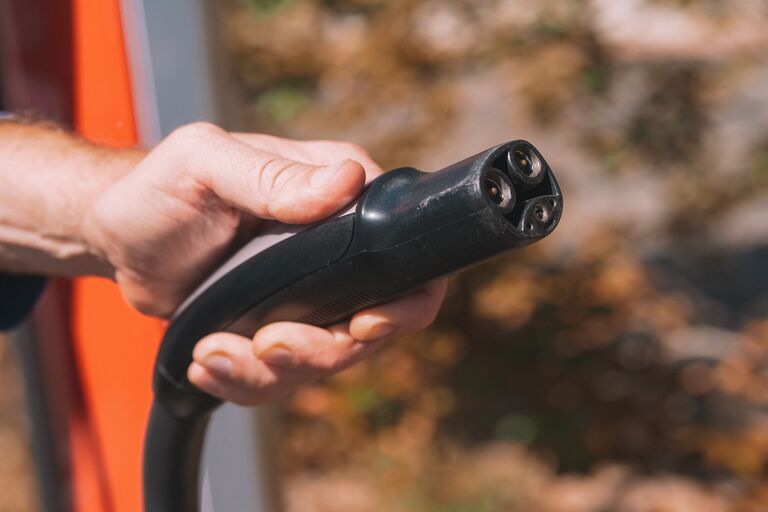
If your EV charger is not working, don’t panic. A lot of charging problems can be resolved through a few simple checks before calling an electrician.
In fact, many EV owners are surprised to know that some of the most common charging issues have very simple causes.
Here are some basic troubleshooting tips I suggest you try before scheduling professional EV charger repair:
1. Check the power supply
This should always be your first step.
You see, if the charger isn’t receiving power, it won’t be able to charge your vehicle regardless of its condition. So, start by checking:
- The circuit breaker
- Any nearby disconnect switches
- Indicator lights on the charger
- Power outages in your area
If the breaker has tripped, reset it once or install a load sharing device, and then monitor the charger. However, if the breaker continues tripping repeatedly, it’s best to call an electrician.
2. Inspect the charging cable
Next, take a close look at the charging cable. Look for:
- Cracks
- Cuts
- Frayed insulation
- Bent pins
- Signs of overheating
Even minor cable damage can sometimes interfere with charging. So if you notice visible damage, avoid using the charger until it has been repaired.
3. Check the charging connector and vehicle port
Sometimes the problem isn’t the charger itself, it’s the connector.
You see, dirt, dust, moisture, or debris inside the charging connector or vehicle charging port can interfere with charging.
So, inspect both ends carefully. And if necessary, gently clean the area using methods recommended by the charger manufacturer.
Also, never force a connector into the charging port.
4. Restart the charger
Just like computers and smartphones, smart chargers also kick back on after you restart them.
In fact, many connectivity and software-related EV charging problems can be resolved by:
- Power cycling the charger
- Following the manufacturer’s reset procedure
- Restarting the associated mobile app
This simple step often resolves temporary software glitches.
5. Check for software or firmware updates
If you have a smart charger, software updates are important. Manufacturers regularly release updates to:
- Improve performance
- Fix bugs
- Enhance security
- Add new features
An outdated system can sometimes create charging issues that are easily resolved through a firmware update.
6. Test with another vehicle or charger
If possible, try isolating the problem. For instance, you can:
- Test your vehicle with a different charger
- Test another compatible EV with your charger
This can help determine whether the issue is related to the charger or the vehicle, helping you narrow down the source of the problem.
In short, here’s how to do EV charger troubleshooting:
| Step | What to check |
| Step 1 | Verify power supply and breaker status |
| Step 2 | Inspect charging cable for damage |
| Step 3 | Check connector and charging port condition |
| Step 4 | Restart the charger |
| Step 5 | Install available software updates |
| Step 6 | Test with another charger or vehicle |
How much does EV charger maintenance and repair cost?
The cost of EV charger maintenance depends on the type of charger, the issue involved, and whether the problem requires professional electrical work.
The good news is that basic EV charger maintenance is inexpensive. In fact, most maintenance tasks involve simple inspections, cleaning, software updates, and occasional testing.
Repair costs, however, can vary significantly depending on what’s causing the issue. For instance, replacing a damaged charging cable will generally cost much less than repairing internal electrical components.
Here’s how much EV charger maintenance and repair typically costs:
| Service | Typical cost range |
| Basic inspection | $100-$300 |
| Professional maintenance visit | $200-$400 |
| Charging cable replacement | $200-$800+ |
| Minor EV charger repair | $150-$500 |
| Major component repair | $500-$1,500+ |
| Full charger replacement | $500-$2,000+ |
Are EV chargers safe if they are properly maintained?
Yes, they are.
Modern EV chargers are designed with multiple safety features that help protect both the vehicle and the electrical system. In fact, most charging equipment includes built-in protections such as:
- Ground fault protection
- Overcurrent protection
- Surge protection
- Temperature monitoring
- Automatic shutdown features
However, these safety systems work best only when the charger is properly maintained.
You see, damaged cables, loose connections, and neglected equipment can still create safety risks over time. This is why regular charger inspections are important.
Bonus: Here are a few EV charger safety tips you can follow
| Safety tip | Why it matters |
| Inspect cables regularly | Helps identify damage early |
| Keep connectors clean | Improves charging reliability |
| Avoid using damaged equipment | Reduces electrical risks |
| Install firmware updates | Helps maintain proper operation |
| Schedule professional inspections when needed | Helps identify hidden issues |
Pro tIp: As a general rule, if you notice unusual heat, visible damage, burning smells, or repeated charging failures, stop using the charger and have it inspected by a qualified professional.
No More $10k Electrical Panel Upgrade to Charge Your EV at Home
simpleSwitch lets you add a Level 2 EV charger to your home without an expensive electrical panel upgrade. Your EV charges safety without panel overload.
- 30-day risk-free returns
- NEMA-rated
- Works with your existing panel
Final words
I am sure that, by now, you have a clear idea of how EV charger maintenance works and what you can do to keep your charging equipment in good condition.
And as you can see, maintaining an EV charger doesn’t have to be complicated. Simple tasks like inspecting cables, keeping connectors clean, checking for software updates, and addressing small issues early can go a long way in preventing bigger problems down the road.
Got more questions about EV charger maintenance or looking for a smarter way to manage EV charging loads at home?
You can get in touch with us!
At simpleSwitch, we build state-of-the-art EV Energy Management Systems (EVEMS) designed to safely manage EV charging loads, prevent panel overloads, and help homeowners avoid expensive electrical upgrades. Our EVEMS devices are UL-listed and proudly made in the USA.
FAQs about EV charger maintenance
What is EV charger maintenance?
EV charger maintenance involves inspecting, cleaning, testing, and maintaining charging equipment to ensure it operates safely and efficiently.
This can include checking cables, cleaning connectors, installing software updates, and addressing minor issues before they become major repairs.
How often should EV chargers be maintained?
A basic visual inspection should be performed regularly.
Many homeowners inspect their chargers every few months and schedule professional inspections if they notice signs of damage, performance issues, or recurring charging problems.
What are the most common EV charger issues?
Some of the most common EV charger issues include:
- Tripped breakers
- Damaged charging cables
- Slow charging speeds
- Connectivity problems
- Overheating
- Vehicle and charger communication errors
Most of these issues can be identified through simple troubleshooting.
Why is my EV charger not working?
There can be several reasons why an EV charger is not working.
Common causes include power supply issues, tripped breakers, damaged cables, software glitches, charging port problems, or communication errors between the charger and vehicle.
What should I do if my home EV charger is not working?
Start by checking the power supply, breaker panel, charging cable, and charging connector.
You should also restart the charger and check for available software updates.
If the problem continues, contact the charger manufacturer or a qualified electrician.
Can I perform EV charger repair myself?
Some basic troubleshooting tasks can be performed by homeowners.
However, internal electrical repairs should generally be left to qualified professionals.
Attempting complex repairs without proper training can create safety risks and may void manufacturer warranties.
How much does EV charger repair cost?
EV charger repair costs vary depending on the issue.
Minor repairs may cost between $150 and $500, while major repairs can exceed $1,000 in some cases.
The exact cost depends on the charger model, replacement parts, and labor requirements.
Can weather affect EV charger performance?
Yes.
Outdoor chargers are exposed to rain, heat, cold temperatures, dust, and humidity.
Most chargers are designed to withstand these conditions, but weather-related wear and tear can still happen.
Do EV chargers require professional servicing?
Not always.
Many maintenance tasks can be handled by the owner.
However, if you notice electrical issues, recurring faults, overheating, or damaged components, professional servicing is recommended.
Is EV charger maintenance worth it?
For most EV owners, absolutely.
Regular maintenance helps improve reliability, supports safe operation, reduces repair costs, and can extend the lifespan of your charging equipment.