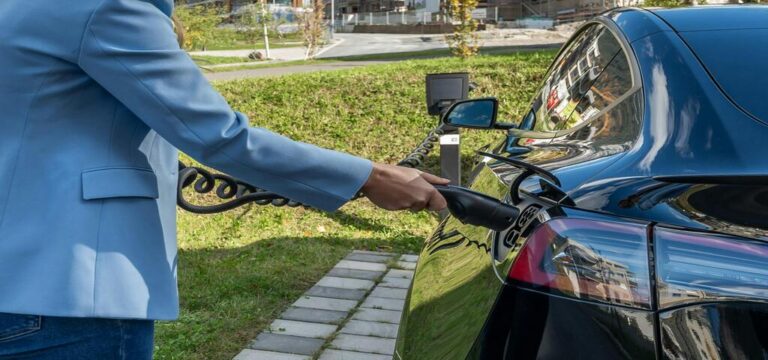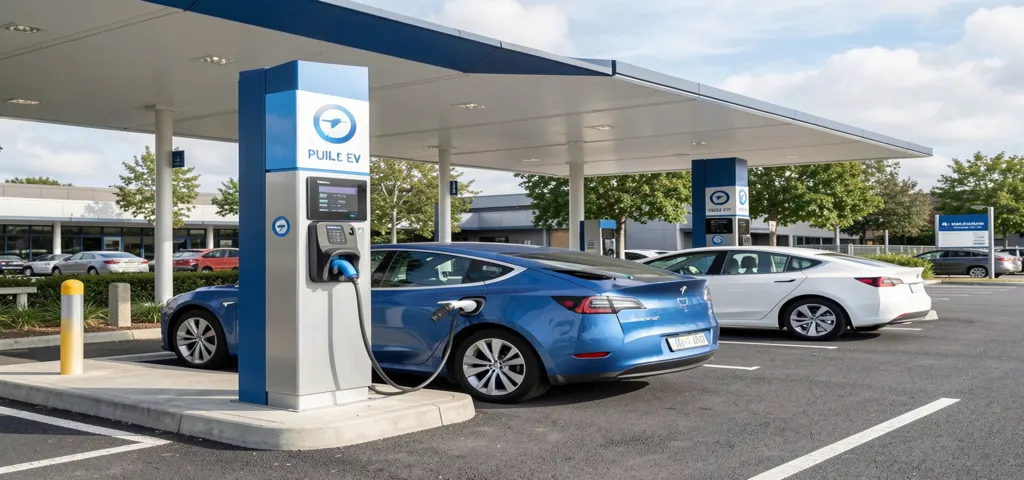
Ever plugged in your EV into a parking lot or apartment charging station and wondered how the whole process somehow just works?
You might have become curious about how the charging station manages power, schedules, billing, and grid demands automatically.
Well, these charging stations use EV charging automation technology to do it all.
You see, as electric vehicles become more common on roads and in homes, this is the technology that makes charging smart, safe, and efficient. It uses automated systems that monitor, optimize, and manage the entire charging process based on real-time data.
In this blog, I’ll walk you through exactly what automated EV charging technology is, why it’s important, how it works, and what benefits it brings.
So, let’s get started.
Key takeaways
- EV charging automation technology uses digital systems to manage, optimize, and control charging without manual intervention.
- It balances power, prevents overloads, and schedules charging based on grid conditions and user preferences.
- Automation helps reduce electricity costs by charging during off-peak times and integrating renewable energy.
- Advanced systems can communicate with the grid, adapt to demand, and even support vehicle-to-grid connectivity.
- Automation makes EV charging safer, more efficient, and user-friendly.
What does EV charging automation technology mean?
At its basic, EV charging automation technology is a smart system that handles charging for you, so you don’t have to start, stop, or tweak anything manually.
Here’s how it works:
Instead of just sending electricity to your EV whenever it’s plugged in, an automated system constantly keeps an eye on things like:
- How much power is available
- How much electricity your home or building is using
- The time of day
- Grid conditions
- Your personal charging preferences
It uses all this information to decide the best way to charge your EV safely and efficiently. Also, it can adjust power levels, delay charging if needed, or speed it up when conditions are right.
Not to mention, in shared charging spaces like multifamily EV charging stations, automated EV charging management also handles billing, making sure you’re billed for exactly how much energy you’ve used.

No More $10k Electrical Panel Upgrade to Charge Your EV at Home
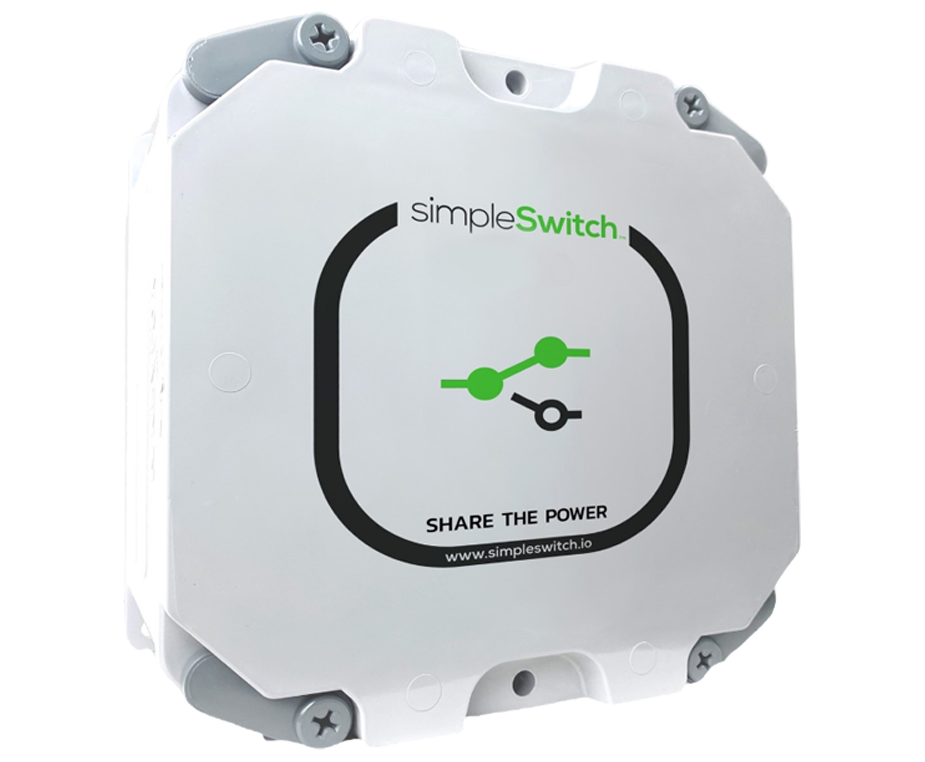
simpleSwitch lets you add a Level 2 EV charger to your home without an expensive electrical panel upgrade. Your EV charges safety without panel overload.
 30-day risk-free returns
- NEMA-rated
- Works with your existing panel
How does EV charging automation technology work?

Automated EV charging might sound complex, but it’s really just a smart technology that works quietly in the background to charge your car.
And it does so by using a combination of sensors, software, real-time data from the power grid, and built-in logic to make charging decisions.
The system monitors electricity usage, time of day, and even grid conditions to make sure your EV charges safely and that you’re billed correctly.
Here’s how it works:
1. It balances load and distributes power
One of the most important jobs of automated charging is making sure electricity is shared fairly.
If you have multiple EVs or other high-powered devices running at the same time, the system divides the power so no one circuit is overloaded.
This prevents breakers from tripping, ensures every vehicle gets enough power, and keeps everything within safe limits.
Load balancing technology is especially useful in a condo, office, or apartment EV charging station where the electrical panel has limited capacity and the charging station needs to bill users too.
2. It schedules off-peak charging
Automated EV charging systems can also save you money by scheduling charging during off-peak hours when electricity is cheaper.
For instance, your EV might wait until late at night to start charging, or slow down during times when the grid is very busy.
This helps reduce your electricity bill and prevents strain on the local power network. You don’t have to remember to plug in at a certain time as the system makes sure charging happens at the most efficient and cost-effective hours.
3. It is aware of the grid in real-time
Charging systems like this receive signals from utility service providers to know when the grid is under stress.
It then adjusts charging speed accordingly, slowing down charging when demand is high or speeding up when clean energy is abundant. This makes EV charging more efficient.
4. It can monitor and control EV charging remotely
EV charging automation technology lets you keep an eye on things from anywhere. It lets you use mobile apps, cloud dashboards, or web interfaces to see your EV’s charging status, adjust settings, or troubleshoot issues without being near the charger.
This is perfect for homeowners, fleet operators, or building managers who want flexibility. You can start or stop charging, check energy use, or schedule sessions remotely.
In short, here’s how EV charging automation technology works:
| Component | How It Works |
| Load Balancing | Shares power across multiple EVs or appliances to avoid overload. |
| Off-Peak Scheduling | Charges when electricity is cheaper or grid is less busy. |
| Real-Time Grid Awareness | Adjusts charging based on grid signals and renewable energy availability. |
| Remote Monitoring | Control and track charging via apps, dashboards, or web platforms. |
What are the benefits of automation technology for EV charging?

EV charging automation isn’t just fancy technology as it brings practical benefits for anyone charging an EV, especially at public or shared EV charging stations.
Instead of just plugging in and hoping everything works, automation takes care of the hard stuff for you.
In fact, from saving money to billing you for exactly how much energy you’ve used, these systems make charging smarter, safer, and easier.
Here’s are all the benefits of EV charging automation technology:
1. It prevents grid overloads and electrical issues
One of the biggest benefits of automated EV charging is safety.
Without automation, charging several EVs at once can overload circuits or trip breakers.
EV charging automation technology prevents this by continuously monitoring the total electricity usage and adjusting charging automatically.
Think of how an automatic load management device works in homes by intelligently sharing power between high-power appliances and pausing EV charging when the electrical panel is at full capacity.
This keeps power within safe limits, protects your home or building’s electrical panel, and prevents costly interruptions.
2. It reduces electricity costs
Automation can also save you money by scheduling charging during off-peak hours or adjusting power delivery based on electricity rates.
This way, your EV uses cheaper energy whenever possible. You don’t have to think about the time of day, the system does it for you.
Over a month or year, this can add up to significant savings, especially if you’re managing multiple vehicles or a fleet.
3. It improves grid stability
Automated charging also helps the entire power system by reacting to grid signals and balancing electricity demand.
This helps reduce stress on the local electrical network and prevent spikes, which, in turn, reduces the chance of outages, and keeps the grid more stable for everyone.
4. It keeps EV charging sustainable
Another major advantage of automated EV charging scheduling is sustainability.
You see, smart charging symptoms align EV charging with times when renewable energy is plentiful, like during sunny or windy periods. This lets your EV draw more clean energy instead of relying on fossil-fuel power.
Think of it as a small step that helps reduce your carbon footprint while keeping your vehicle ready to go.
5. It makes EV charging user-friendly
Finally, automation makes life simpler.
You don’t have to worry about when to plug in or how fast to charge. Just connect your EV, and the system decides the best time, power level, and duration.
Everything happens in the background, safely and efficiently.
In short, here are all the benefits of EV charging automation technology:
| Benefit | Description |
| Prevents Overloads | Keeps circuits safe and prevents breaker trips. |
| Reduces Costs | Uses cheaper electricity during off-peak hours automatically. |
| Grid Stability | Balances demand to support local power networks. |
| Supports Sustainability | Aligns charging with renewable energy availability. |
| User-Friendly | You just plug in — automation handles the rest. |
No More $10k Electrical Panel Upgrade to Charge Your EV at Home
simpleSwitch lets you add a Level 2 EV charger to your home without an expensive electrical panel upgrade. Your EV charges safety without panel overload.
- 30-day risk-free returns
- NEMA-rated
- Works with your existing panel
Conclusion
By now, you should have a clear picture of what EV charging automation technology really means and why it’s such a big deal for the future of electric vehicles.
You see, instead of a passive charging experience, charging automation makes multi-user EV chargers or charging stations into an intelligent system that:
- Manages power
- Bills every user automatically
- Saves money
- Boosts safety
- Reduces carbon impact
- Works with grid conditions
And as EV adoption grows, automation isn’t just a convenience, it is essential for smart, economical, and scalable EV charging infrastructure.
Got more questions about EV charging technologies or want to install an automatic EV load management system in your home?
At simpleSwitch, we bring state-of-the-art ev charger load management system for your home to help you prevent electrical overloads while using high-power appliances like EV chargers.
Our load management systems are UL-listed and proudly made in the USA for years of dependable service.
FAQs about EV charging automation technology
What’s the difference between automated and regular EV charging?
Regular EV charging is simple, you plug in your car, and it starts drawing power. That’s it.
Automated EV charging goes a step further. It uses software and smart systems to monitor electricity use, grid conditions, and pricing.
Also, it can decide when to start, stop, or slow down charging to save energy and avoid overloading circuits.
Can automated charging save me money on electricity bills?
Yes!
One of the main advantages of automated EV charging is cost savings.
The system can schedule charging during off-peak hours when electricity is cheaper and adjust power delivery based on rates or grid demand.
You don’t have to think about timing, the software does it for you.
Over weeks and months, this can reduce your electricity bills significantly, especially if you charge frequently or manage multiple EVs.
Does automation work with home chargers?
Absolutely!
Many modern home EV chargers come with built-in automation features. These smart chargers connect to apps or cloud platforms, letting you monitor, control, and schedule charging from your phone or computer.
You can set preferences like off-peak charging or renewable energy use. This makes home charging safer, more efficient, and convenient.
Is automation necessary for all EV owners?
Not really.
If you only have one EV and charge occasionally, automation isn’t strictly necessary. You can still plug in and charge safely without it.
However, automation becomes very useful in certain situations, like in multifamily buildings, commercial properties, or when multiple EVs share a single electrical panel. It keeps things organized, avoids overloads, and optimizes energy use.
Can automation integrate with renewable energy systems?
Yes!
Advanced EV charging automation can coordinate with renewable energy sources like solar panels or wind turbines. It can prioritize charging when green energy is available, reducing reliance on fossil fuels.
This means your EV can charge more sustainably without you needing to monitor anything.