From sleek new models to Cybertrucks that exude the spirit of good old American muscle, electric vehicles are making headlines everywhere these days.
But even though EV adoption is growing, homeowners are still skeptical about buying one.
Why?
Well, switching to an EV isn’t just about buying a new car. After all, you’ve got to figure out how to charge it, what it will cost, and whether it will actually fit into your daily life.
More than just concerns, these are barriers still keeping so many people from buying an EV.
In this blog, I will walk you through the 7 biggest barriers to EV adoption in the country right now. Also, I will share practical solutions to make your EV switch easy.
So, let’s get started.
Key takeaways
- EVs can save money long-term, even with higher upfront costs.
- Charging at home is possible, even for renters or apartment dwellers.
- Public charging infrastructure is growing rapidly for longer trips.
- Electrical panel upgrades aren’t always needed for Level 2 charging.
- Charging time is faster with Level 2 chargers and DC fast charging.
- Common EV myths are easily debunked with a little familiarity.
- Researching incentives can help you save big on your EV purchase.
The biggest barriers to EV adoption (and practical solutions)
1. Upfront costs are high

Let’s be honest, EVs are expensive.
In fact, even though prices are coming down, the sticker shock is real when you compare many EVs to their gas-powered counterparts.
And it’s not just the car itself. Homeowners also worry about the cost of installing EV charger at home, especially if they think it might involve upgrading their electrical system.
So, is there a solution?
Actually, yes.
While the upfront price looks higher, the long-term math often works in your favor. So much so that EV owners save thousands over the years on gas and maintenance since there’s no oil changes, fewer moving parts, and lower fueling costs.
On top of that, there are federal and state incentives, rebates from utility providers, and more, that can knock down the purchase and installation costs significantly.
So while the first number on the price tag might give you pause, the overall cost of owning an EV can actually be lower than a traditional car.
Bonus: Here’s how you can avail these incentives
| Incentive Type | Description | Where to Apply |
| Federal Tax Credit | Up to $7,500 credit for new EVs (based on eligibility) | IRS or dealerships |
| State Rebates | Varies by state; can range from $500-$5,000 | State or utility providers |
| Utility Provider Rebates | Discounts or rebates for charger installation | Local utility providers |
| EV Tax Credits for Businesses | Incentives for businesses that install chargers | Federal and state websites |

No More $10k Electrical Panel Upgrade to Charge Your EV at Home
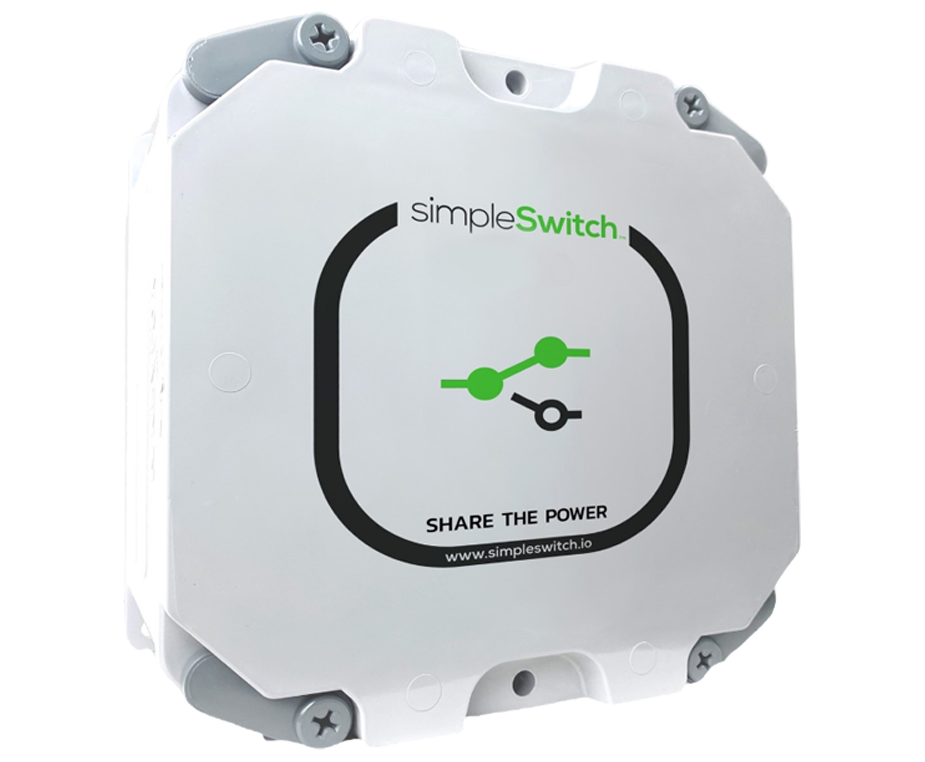
simpleSwitch lets you add a Level 2 EV charger to your home without an expensive electrical panel upgrade. Your EV charges safety without panel overload.
 30-day risk-free returns
- NEMA-rated
- Works with your existing panel
2. Public charging Infrastructure is still limited

One of the biggest worries people have about EVs is simple: What if I can’t find a charger when I need one?
You see, unlike gas stations, charging stations still aren’t on every corner, and that can make the idea of going electric feel a little risky.
It’s simple: You don’t want to be stranded with a low battery.
This is also called range anxiety, and it’s one of the biggest barriers to EV adoption.
Even though most daily driving is well within the range of modern EVs, the lack of visible, reliable public chargers makes people nervous. More so when it comes to road trips or unexpected detours.
The solution?
For everyday life, EV charging at home overnight can cover nearly all your needs. Also, thanks to the National Electric Vehicle Infrastructure (NEVI) program, you can now find public charging stations even for longer trips.
3. Home charging isn’t available in apartments

EV charging at home seems simple, just plug in at night and wake up to a full battery.
But what if you live in an apartment, rent your house, or only have street parking?
This is one of the most common barriers people face, and it can make EV ownership feel out of reach.
The challenge is real.
After all, without a driveway or garage, installing a personal charger isn’t always possible. And convincing landlords or HOAs to add chargers can be a slow process.
The upside?
Solutions are starting to appear.
Cities are experimenting with curbside chargers, workplaces are adding more stations for employees, and shared apartment EV charging is becoming more common.
And if you’re renting, a conversation with your landlord or HOA can go a long way .
So while home charging isn’t available to everyone yet, the options are expanding quickly.
4. Electrical panels have limitations

There’s a roadblock even for homeowners with garages or driveways, and it’s their electrical panel.
You see, a lot of homes are built to meet high energy demands of EV charging. So, adding a Level 2 charger, the kind that gives you a full battery overnight, can require a panel upgrade.
But there’s a catch here.
A professional electrical panel upgrade is costly, often in the range of $2,000 to $4,500.
This is where a lot of people hit pause.
The idea of spending thousands of dollars on electrical work, on top of buying an EV and charger, feels overwhelming.
So how do you overcome this?
Well, you don’t always need a full panel upgrade. That’s because there are smarter ways to work with the capacity you already have with energy management systems that make Level 2 charging possible without a major electrical overhaul.
Take simpleSwitch, for instance, a smart EMS that monitors your home’s electricity usage and temporarily pauses EV charging if the panel reaches capacity. It then resumes charging safely a few minutes later.
Sounds amazing, doesn’t it?
5. Long charging times

Another big hesitation people have about EVs is how long it takes to charge up.
With a gas car, you’re in and out of the station in five minutes. However, EV charging on a standard outlet can take hours.
That difference feels like a dealbreaker for a lot of people.
Then, there’s the fear that your EV won’t have enough battery to get you where you need to go.
Even though most modern EVs easily cover the average daily commute, the “what if” question lingers in people’s minds.
The solution?
Install a Level 2 charger at home, and you can fully recharge your car overnight while you’re sleeping.
And for road trips, public DC fast chargers can give you 80% of a charge in about 20-30 minutes, just enough time to stretch your legs and grab a coffee.
6. Lack of familiarity and misconceptions

For many people, EVs are still a bit of a mystery.
How do you charge one?
Will it run out of battery on a long drive?
Are they really reliable?
These questions, and the myths surrounding them, can make switching feel intimidating.
The truth is, EVs are easier to live with than most people think. Once you understand how charging works, daily driving becomes simple.
Even a short trial experience often shows people that charging and driving an EV is just as convenient as a gas car.
7. Confusion around EV policies and incentives
Even when incentives exist, they’re not always easy to understand.
Federal tax credits, state rebates, and utility programs each have their own rules, deadlines, and eligibility requirements.
Plus, for many homeowners, this can all be very overwhelming and a reason to put off buying an EV.
On top of that, incentives aren’t evenly distributed.
You see, some parts of the country have plenty of support for EV adoption, while others lag behind.
This uneven rollout can make EV ownership feel unfair or inaccessible, especially for renters or those in multi-unit buildings.
The solution?
A little research goes a long way. In fact, when it comes to electric vehicle adoption challenges and opportunities, this is a clear opportunity for you.
Most incentives are clearly documented online, and local utilities or dealerships can guide you too. So, take a few minutes out to check eligibility and it can save you thousands.
In short, here are all the barriers to EV adoption and solutions to overcome them:
| Barrier | Solution |
| 1. High Upfront Costs | Save in the long run with lower fuel and maintenance costs. Take advantage of rebates and incentives. |
| 2. Limited Public Charging Infrastructure | Charge at home overnight or use public chargers for longer trips. |
| 3. Home Charging Not Available (Apartments) | Use workplace chargers, shared apartment/community chargers, or curbside chargers. |
| 4. Electrical Panel Limitations | Use smart EMS like simpleSwitch to manage electricity demand without upgrading your panel. |
| 5. Long Charging Times | Install a Level 2 charger at home for overnight charging, or use DC fast chargers for road trips. |
| 6. Lack of Familiarity & Misconceptions | Try an EV and experience firsthand how easy it is to charge and drive. |
| 7. Confusion Around EV Policies & Incentives | Research available federal, state, and utility incentives to save on EV purchase and installation. |
No More $10k Electrical Panel Upgrade to Charge Your EV at Home
simpleSwitch lets you add a Level 2 EV charger to your home without an expensive electrical panel upgrade. Your EV charges safety without panel overload.
- 30-day risk-free returns
- NEMA-rated
- Works with your existing panel
Conclusion
By now, you know what are the common barriers to EV adoption along with practical solutions to overcome them.
From cost concerns and limited charging access to panel capacity and unfamiliarity, these challenges are easier to overcome than most people expect.
And with smart systems like simpleSwitch, managing your home’s electricity for EV charging is both affordable and simple.
Got questions about home EV charging or need a smart energy management system?
We’ve got you covered.
At simpleSwitch, our whole-home electrical load management solutions make charging easier, safer, and stress-free every single day.
Frequently asked questions
What is the biggest challenge with electric vehicles?
The biggest challenge with electric vehicles is charging convenience, especially for people who don’t have access to reliable home charging or worry about finding public chargers on longer trips. Although EV range has improved, charging infrastructure and range anxiety are two of the biggest EV adoption barriers slowing EV adoption.
Can I charge my EV at home with a regular outlet?
Yes, you can charge your EV using a standard 120V household outlet, known as Level 1 charging.
It’s the slowest option, typically adding 3-5 miles of range per hour. But it works for short daily commutes.
For faster charging, I suggest you install a Level 2 charger (240V) as it can fully recharge most EVs overnight.
Do I need an electrical panel upgrade for a home EV charger?
Not always.
Many homes can support a Level 2 charger with a spare circuit. So, if your panel is near capacity, smart energy management systems, like simpleSwitch, can safely share power between your EV and other appliances.
This allows faster charging without expensive upgrades. For older panels or very high-demand homes, consulting a licensed electrician is recommended.
How long does it take to charge an EV at home?
Charging time depends on the charger type and the EV’s battery size:
- Level 1 (120V): 3-5 miles of range per hour
- Level 2 (240V): 20-60 miles of range per hour
- DC Fast Charging (public only): 80% charge in 20-30 minutes
For most daily driving, a Level 2 charger at home is sufficient.
Here’s a quick comparison of all three EV charging options:
| Charger Type | Voltage | Range Added per Hour | Charging Time |
| Level 1 (Standard Outlet) | 120V | 3-5 miles | Slow (overnight) |
| Level 2 (Home Charger) | 240V | 20-60 miles | Fast (overnight) |
| DC Fast Charger | 400V (public) | 80% in 20-30 mins | Fast (road trips) |
What if I don’t have a driveway or garage?
Renters or apartment dwellers have options: workplace chargers, shared apartment or community chargers, and public charging stations.
Cities are also rolling out curbside charging in select areas to reduce electric vehicles challenges. Talk to your landlord or HOA about shared charging infrastructure, they are usually open to installing shared chargers.
Are EVs really more affordable in the long run?
Yes.
While the upfront cost can be higher, EVs save money over time due to lower fuel costs, reduced maintenance, and available incentives.
In fact, the cost of charging electric car at home is less than one-third of driving an equivalent gas-powered vehicle.