



Rain and electricity don’t sound like the safest combo, right?
The idea of plugging in your shiny new electric car while it’s pouring outside can make you a little nervous.
What if you get shocked?
What if water seeps into the charger?
Or worse, could it damage your EV?
It’s a fair concern, and you’re definitely not alone.
In fact, every new EV owner has wondered about it at some point. After all, we’ve spent our whole lives being told to keep electrical things far away from water.
But here’s the thing: Modern EVs and their chargers are designed to handle rain safely. Moreover, they’re built, tested, and certified to work in all kinds of weather, from light drizzles to full-blown Seattle storms.
In this blog, I will break it all down. You’ll know:
- How is it safe to charge EV in the rain
- What safety features make it possible
- A few simple precautions you should still take
So, let’s get started.
Key takeaways
- Charging EVs in the rain is safe with certified chargers.
- EV chargers are designed to be waterproof and weather-resistant.
- Always check for standing water or flooding before charging.
- Avoid using damaged cables or connectors in wet conditions.
- Never use extension cords for EV charging outdoors.
- Lightning storms can cause dangerous surges, wait to charge until it passes.
- Public EV chargers are safe, even in heavy rain or snow.
- Make sure your charger is installed properly with the right safety features.
Is it safe to charge EV during rain or not?

Short answer is, yes it is.
Most of us grew up hearing “Don’t touch anything electrical with wet hands!”
So when it comes to plugging in an electric car during a downpour, that old fear naturally kicks in.
It just feels wrong, doesn’t it?
And it doesn’t help that there’s a ton of mixed information floating around online.
Scroll through Reddit or EV forums, and you’ll find plenty of nervous first-time owners asking things like:
Can I get electrocuted if it’s raining?
Should I wait until the rain stops before plugging in?
There are even a few viral videos and myths that make charging in wet weather sound dangerous.
But let me tell you they’re mostly misunderstandings.
What people forget is that EVs and their chargers are built completely differently from your average household extension cord or outlet.
So yes, while the fear makes sense, it’s based more on instinct than fact.

No More $10k Electrical Panel Upgrade to Charge Your EV at Home
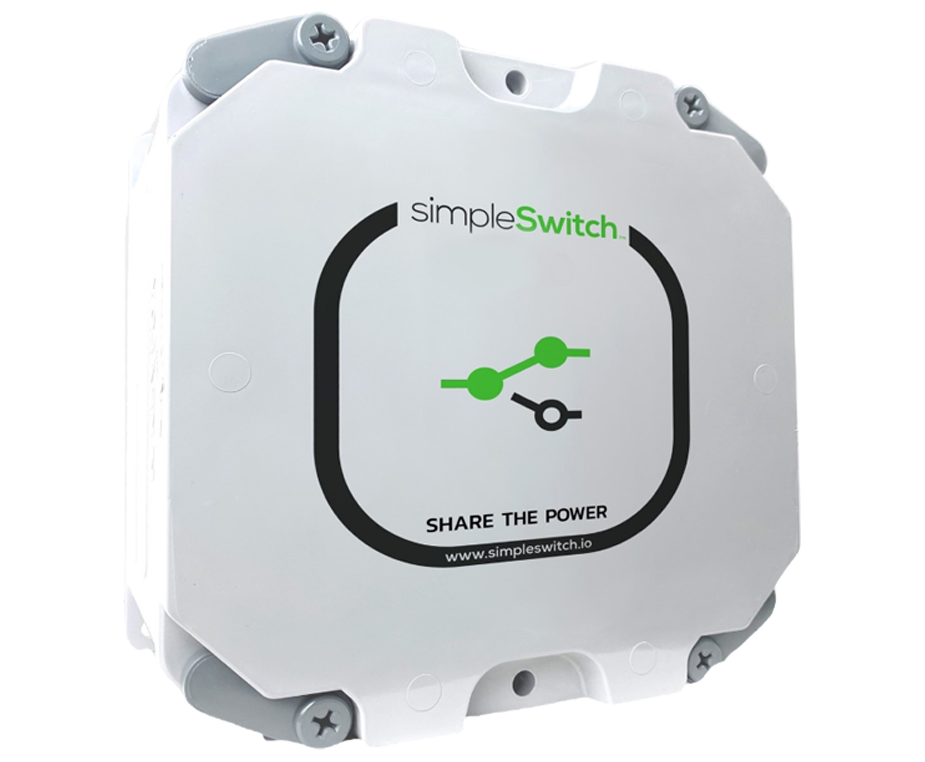
simpleSwitch lets you add a Level 2 EV charger to your home without an expensive electrical panel upgrade. Your EV charges safety without panel overload.
 30-day risk-free returns
- NEMA-rated
- Works with your existing panel
What makes it safe to charge your EV during rain?

For starters, EVs and their chargers are made to survive and work in all weathers, including rain.
Meaning whether it’s pouring rain, snowing, or just a humid day, every part of the charging system is built with safety in mind.
Here’s how it works:
1. Weatherproof design
Every EV charger and charging port comes with something called an IP rating, which stands for Ingress Protection. Think of it like a toughness score against dust and water.
For instance, most home and public chargers are rated IP54 to IP66. This means they’re protected from dust, splashes, and even powerful jets of water.
In simple words, your charger isn’t going to short out just because it’s raining or snowing outside.
2. Ground fault protection
Have you ever noticed how your bathroom outlets have that little reset button?
That’s a ground fault circuit interrupter (GFCI).
EV chargers have something similar, but much more advanced.
So, even if a tiny amount of electricity tries to leak where it shouldn’t (say, because of moisture), the system automatically shuts down in milliseconds. Meaning you’re never exposed to live current, even if the weather is at its worst.
3. Sealed connectors keep the rain out
The plug that connects your EV to the charger is made with tight rubber seals and watertight covers.
When you plug your EV charger, even in a regular home outlet, it locks securely, and only then does the current start flowing. And if the connection isn’t perfect, the charger simply won’t turn on.
So even if there’s a little rain running down the side of your car, none of it can sneak inside the electrical contacts.
4. Certified for outdoor use
Every certified EV charger on the market has to meet strict safety standards set by organizations like UL (Underwriters Laboratories) and the National Electrical Code (NEC).
These certifications guarantee that the charger can handle outdoor use, including rain, snow, and temperature swings.
In short, here’s why it is safe to charge your EV during rain
| Feature | What It Means |
| Weatherproof Design (IP Rating) | Protects against rain, dust, and splashes. |
| Ground Fault Protection | Automatically shuts off power if something’s wrong. |
| Sealed Connectors | Keep water out, even if it rains on your car or charger. |
| Certified for Outdoor Use | Chargers meet safety standards for all weather. |
Here are some more reasons why it’s safe to charge EV in rain
Want more reassurances?
Let’s listen to the people who actually build and test these cars and chargers.
You see, major automakers and industry groups all say the same one thing: Charging in the rain is safe as long as you use certified equipment and follow basic precautions.
Here’s how:
A. Manufacturers test for weather
Automakers design charging ports and plugs to withstand rain, snow, and everyday weather.
And before anything hits the market, chargers and vehicle inlets go through environmental testing. This includes water-spray tests, dust exposure, and temperature checks.
These tests aren’t casual. They’re standardized procedures that check whether water can get into electrical contacts and whether safety systems react correctly.
And if something fails, it doesn’t ship.
B. Industry groups back it up
Groups such as the Department of Energy and other organizations confirm the same thing. They say modern EV charging systems have protective features (seals, interlocks, ground-fault protection) specifically so you can charge outdoors without worry.
C. Utility companies and professionals follow strict codes
Electric utilities, local electrical inspectors, and professional installers use the National Electrical Code (NEC) and UL standards for outdoor equipment.
This means outdoor chargers are installed with the right breakers, conduit, GFCI protection, and weatherproofing so the whole system works together safely even in wet conditions.
Plus, EV owners say the same thing
You’ll also find thousands of everyday EV owners reporting the same experience online. They say charging through rain and snow is not an issue at all.
One owner summed it up simply: “I’ve charged outside every day for two years, rain, snow, no problem.”
These experiences line up with what manufacturers and experts tell us.
Bottom line
The people who design, test, install, and live with EV charging systems all agree, rain isn’t a problem.
Still not convinced?
Just look around.
The vast majority of public chargers, whether at malls, grocery stores, or highways are outdoors.
They’re exposed to all kinds of weather and people use them safely every single day, rain or shine.
When is it not safe to charge EV in the rain?

Charging in the rain is generally safe. But like most things electrical, there are a few common-sense situations where you should hit pause.
You see, rain itself isn’t the problem, it’s the extreme conditions that can turn risky.
Here are some situations when it isn’t safe to charge EV:
1. When there’s standing water or flooding.
If your driveway or parking spot is flooded or there’s standing water around the charger, don’t charge your EV.
That’s because even though EV chargers are weatherproof, they aren’t meant to be submerged.
Water can reach the contacts or wiring in ways it wasn’t designed for.
Here’s a rule of thumb you can follow: If your shoes get soaked standing there, it’s not a safe place to plug in.
2. When the cables or connectors are damaged
A cracked handle, frayed cord, or broken seal can let moisture sneak in. And that’s when problems start.
So, always give your charging cable a quick visual check before use. If it looks worn or broken, get it replaced before the next charge.
3. When the charger is connected to an extension cord.
EV chargers draw a lot of power and extension cords (even heavy-duty ones) are not meant for charging them. That’s because they can overheat, short out, or fail in wet conditions.
This is also why manufacturers and safety agencies agree that you should plug your charger directly into a dedicated outlet or hardwired connection.
4. When there’s lightning storms
Rain itself isn’t the danger, but lightning is.
If a thunderstorm is directly overhead, it’s better to wait it out.
Why?
Lightning strikes can cause electrical surges that damage your car’s onboard charger or home system.
In short, here’s when it is not safe to charge your EV during rain
| Situation | Why It’s Unsafe |
| Standing Water/Flooding | Water can reach electrical parts and cause problems. |
| Damaged Cables or Connectors | Cracks or frays can let moisture in, risking safety. |
| Using Extension Cords | Extension cords aren’t made to handle high-power charging. |
| Lightning Storms | Lightning can cause power surges and damage equipment. |
Here’s a quick safety rule: If the charger is soaked, sparking, or submerged, don’t use it.
Dos and don’ts of EV charging during rain
Charging your EV outside?
Totally fine; as long as you follow a few quick dos and don’ts.
Think of this as your easy, no-stress checklist for safe, all-weather charging.
Here are the dos and don’ts of charging your EV during rain:
Dos
Use UL-certified or OEM chargers
Always stick with chargers that meet official safety standards or come directly from your car’s manufacturer. They’re tested for weather resistance and electrical safety.
Install chargers on a proper circuit
Make sure your home EV charger is on a dedicated circuit with the right breaker size. And if it shares power with heavy appliances like dryer, HVACs, etc., use an electrical load sharing device like simpleSwitch.
This keeps your system stable and avoids tripping power mid-charge.
Keep cables off puddles
Try not to let the cable sit in water or mud. It’s not usually dangerous, but it’s better to avoid unnecessary exposure and wear.
Don’ts
Don’t use extension cords or cracked outlets
They’re not designed for high-current charging and can overheat or short out, especially outdoors.
Don’t tape or DIY weatherproof things
Waterproof tape or plastic bags might seem smart in a pinch, but they can trap moisture and make things worse. If you need better weather protection, call a licensed electrician.
In short, here are the dos and don’ts of EV charging during rain
| Dos | Don’ts |
| Use UL-certified chargers | Don’t use cracked cables or outlets. |
| Install on a dedicated circuit | Don’t use extension cords for charging. |
| Keep cables off puddles | Don’t use DIY weatherproofing like tape or bags. |
| Check for weatherproofing | Don’t charge if there’s standing water around. |
Bonus: You can charge EV safely all-weather without electrical panel upgrade
Want to charge your EV safely without upgrading your electrical panel?
You can do exactly that with a load sharing device like simpleSwitch.
These devices are designed to handle all kinds of weather. So there’s no need to worry about rain, snow, or moisture as it keeps your charging setup safe while automatically managing your home’s energy use in the background.
The best part: You don’t need an expensive electrical panel upgrade as simpleSwitch intelligently balances your home’s power load.
No More $10k Electrical Panel Upgrade to Charge Your EV at Home
simpleSwitch lets you add a Level 2 EV charger to your home without an expensive electrical panel upgrade. Your EV charges safety without panel overload.
- 30-day risk-free returns
- NEMA-rated
- Works with your existing panel
To sum up
At the end of the day, charging your EV in the rain isn’t something to stress over. EVs and their chargers are built to handle real-world conditions including rain, snow, and everything in between.
In fact, every plug, cable, and port is tested, sealed, and certified to keep you and your car safe,.
The key is simple: use the right equipment and follow basic precautions. If you’re using a certified charger, installed correctly, you can plug in confidently no matter what’s falling from the sky.
And if you’re thinking about home charging, you can get in touch with us!
At simpleSwitch we make all-weather EV charging easier, helping you charge up without the extra cost of a panel upgrade.
FAQs about EV charging during rain
Can rain get into the charging port?
No, it’s designed not to.
Both the EV charger plug and your car’s charging port are sealed and weatherproof. When you plug in, the connector forms a tight, waterproof lock that keeps moisture out.
Automakers and charger manufacturers test these components under extreme weather, including rain, humidity, and snow, before they ever hit the market.
So, even if it’s pouring, your EV stays perfectly safe while charging.
What if it’s a thunderstorm?
While your charger and EV are well-protected, it’s best to avoid plugging in or unplugging your vehicle during an active lightning storm. That’s because a lightning strike can cause a power surge in your home’s electrical system.
If it’s already plugged in when the storm starts, don’t panic, the system’s surge protection usually keeps it safe.
But as a general rule, wait until the lightning has passed before connecting or disconnecting your charger.
Can I use a cover or umbrella while charging?
Not necessary, but if you prefer to keep yourself dry, go for it.
EV chargers are outdoor-rated, meaning they’re designed to handle wet conditions without any additional shelter.
However, if you want extra peace of mind, you can install a simple weather hood or canopy above your charger to keep rain off you while plugging in.
Just make sure it’s properly installed and doesn’t block airflow or trap moisture.
Are public chargers safe in the rain?
Absolutely. In fact, most public charging stations are outdoors by design, including parking lots, highways, and open spaces.
They use industrial-grade, weatherproof connectors with high IP ratings (Ingress Protection ratings) that keep water, dust, and debris out.
So whether you’re charging at a mall, office, or highway stop, rain doesn’t affect their performance or safety.
Do I need special maintenance for outdoor charging?
Not really, just a little bit of care goes a long way. Check the charging cable for cracks or wear every few months, and make sure the plug and outlet are clean and dry.
If you notice any corrosion or damage, get it checked by a professional installer. Also, avoid wrapping the cord too tightly or leaving it sitting in puddles.
A quick wipe-down and proper cable storage will keep your charger working smoothly for years.


