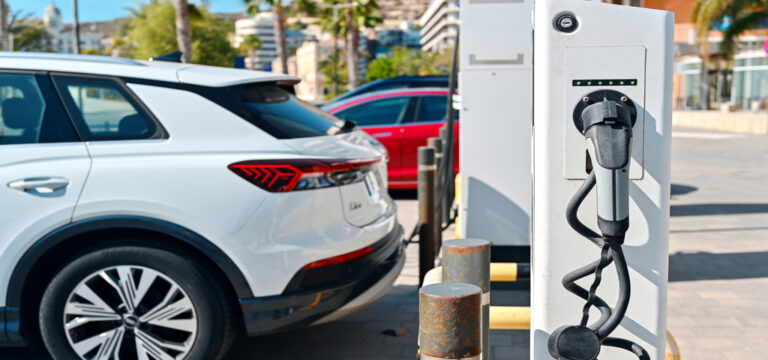
For those of you who’ve just bought an electric car, the biggest question you’d be finding answers to is likely the cost of installing EV charger at home.
And rightly so.
After all, although you can plug your car into a standard outlet, it’s super slow, and you’ll eventually want a faster solution.
But when it comes to the cost of EV charger installation, the truth is it can vary quite a bit.
For instance, while some homeowners spend only a few hundred dollars, others end up footing bills in thousands.
You see, it all comes down to things like your electrical panel, where you want the charger installed, and whether upgrades are needed.
In this blog, I will break it all down. You’ll know:
- The average cost of EV charger installation
- What factors affect the price
- Real-world scenarios that you could face
- Some simple tips to save money
By the end, you’ll know exactly what to expect when installing an EV charger.
So, let’s get started.
Key takeaways
- Average cost to install electric car charger at home ranges from $1,100 to $4,900.
- Installation complexity depends on factors like electrical panel location and upgrades.
- A Level 2 charger needs a dedicated 240-volt outlet installation for safe charging.
- Electrical panel upgrades or complex installations can cost you extra.
- State and utility incentives can help lower your total cost, though the federal tax credit is no longer available.
- Installation permits typically cost between $50 and $300.
What is the average cost of installing EV charger at home?
On average, the cost to install electric car charger at home is between $1,100 and $4,900 for a Level 2 EV charger.
However, the actual cost can vary a lot, depending on how EV-ready your home already is and whether you need extra upgrades or wiring.
Here is a complete break-down of typical EV charger installation cost in the country:
1. The average cost of installing EV charger at home ranges between $800-$4000
The installation itself costs anywhere from $800 to $4000. And this includes labor, permits, wiring, and setup.
This price range largely depends on how simple or complex the installation is. Here’s how:
A. Simple EV charger installation costs between $400–$900

For instance, if your electrical panel is right next to your garage or parking spot, the job is fairly straightforward and doesn’t require much extra work.
If you already have a 240-volt outlet (like a NEMA 14-50) in a convenient location, you could be looking at a price tag starting at just $400 and going up to $900.

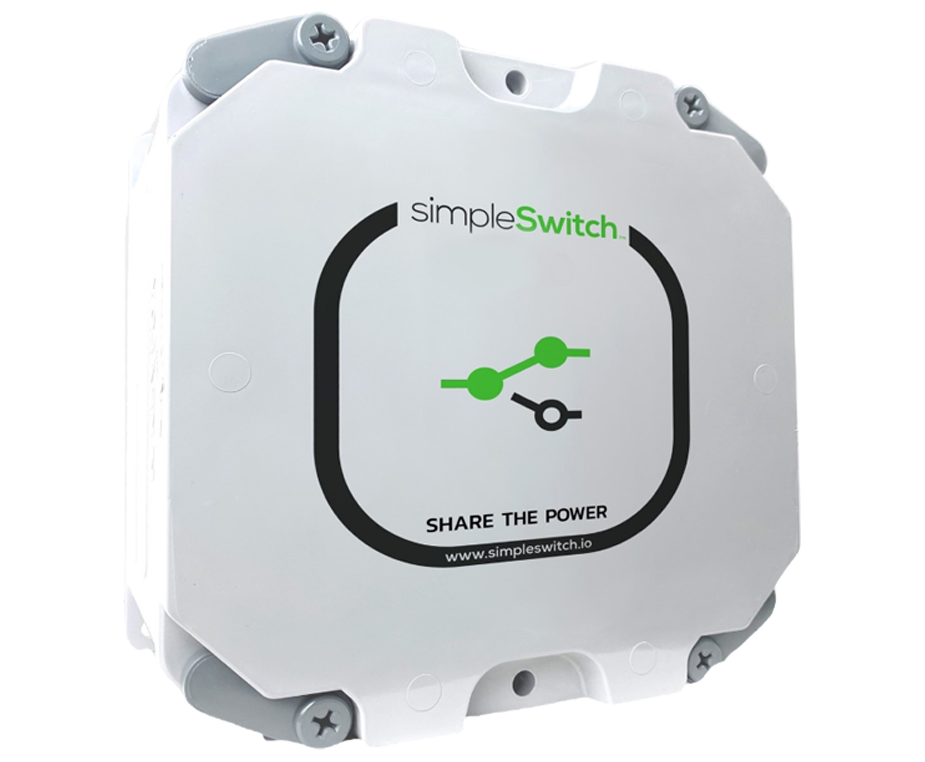
No More $10k Electrical Panel Upgrade to Charge Your EV at Home
simpleSwitch lets you add a Level 2 EV charger to your home without an expensive electrical panel upgrade. Your EV charges safety without panel overload.
 30-day risk-free returns
- NEMA-rated
- Works with your existing panel
B. Complex EV charger installation costs between $2,500-$5,500+

On the flip side, if your panel is far from the garage, or if your home needs any electrical upgrades (like a bigger panel or rewiring), costs can climb up to $5,500 or even higher.
You see, the farther away the panel, the more labor and materials are needed to run those wires. Plus, if you need to dig trenches or add conduit for outdoor installations, those costs quickly add up.
Not to mention, some homes might even need a panel upgrade, which could easily add $1,500-$4,500 to your total cost. You can, however, avoid this cost by installing an EV energy management system like simpleSwitch.
In short, here’s the average cost of installing EV charger at home:
| Installation Type | Cost Range | Description |
| Simple Installation | $400-$900 | Basic setup with an existing 240V outlet near the parking spot. |
| Complex Installation | $2500-$5500+ | Involves electrical upgrades, trenching, or outdoor setup. |
2. Hardware costs range between $300-$900+
The EV charger itself (also called Electric Vehicle Supply Equipment) comes with its own set of costs.
Here, the price of the charger unit can range from $300 to $900 or more, depending on the features you want. For instance:
A. Basic charger models cost between $300-$600

A basic Level 2 charger without any fancy features generally costs around $300-$600. This is a good option if you just want something simple that does the job.
B. Smart chargers cost between $600-$1000 (or more)

If you’re after a more tech-savvy unit, smart chargers with Wi-Fi, load sharing, and higher amperage can cost you between $600-$1000, or more.
These chargers offer extra features like scheduling when your car charges or monitoring your energy and battery usages via an app
Take Tesla’s Wall Connector, for instance, that falls in this range and is known for being a reliable and high-performance charger.
Overall, you can expect to pay between $1100-$4900
When you combine the installation costs and the hardware costs, most homeowners find themselves in the $1100-$4900 range for a Level 2 charger setup.
Here’s a simple breakdown how much to install an ev charger at home in short:
| Cost Type | Range |
| Installation Costs | $800-$4,000 |
| Hardware Costs (Charger) | $300-$900+ |
| Total Cost (Installation + Hardware) | $1,100-$4,900 |
The best part?
This is a one-time investment. So, once the system is installed, you can start charging your EV at home with convenience and efficiency, saving money over time.
6 Factors that affect the cost of installing EV charger at home
As you can see, the cost of installing electric car charging point can vary a lot depending on your home and EV charger.
For instance, if your electrical panel is up to the task or your parking spot is a bit tricky to reach, it can influence the final price.
Let’s take a closer look at all the factors that affect your installation costs.
1. Type of charger you choose (Level 1 vs. Level 2)

When it comes to charging, there are two main types of chargers, namely, Level 1 and Level 2. And here’s how they compare:
A. Level 1 Chargers
These chargers plug into a standard 120-volt outlet (the kind of outlet you use for everyday home appliances).
They’re super cheap to install, but they’re also very slow. You’re only adding about 3-5 miles of range per hour of charging.
So, they can be okay if you don’t drive much, but they’re not ideal for everyday use if you need a faster charge.
B. Level 2 Chargers
This is what most EV owners opt for. These chargers require a 240-volt outlet (like a dryer outlet), and they charge your car much faster, typically adding 15-25 miles per hour.
The installation cost for a Level 2 charger is where you’ll see the price go up because it requires specialized equipment and setup.
2. Electrical panel upgrades

Not only does your electrical panel decide how much power can flow to your home, it also decides how much does it cost to install EV charger at home.
For instance, if your panel already has enough spare capacity, you can add a Level 2 charger without much hassle.
But if your panel is already working at full capacity, you’ll need to figure out what size electrical panel you need with the help of an electrician. In most cases, this can necessitate a panel upgrade to handle the additional load of the charger. This can add another $1,500 to $4,500, depending on the work involved.
Bonus: You don’t always need an electrical panel upgrade

Yes, that’s right.
You see, there are electrical load management systems like simpleSwitch that can help you avoid EV charger panel upgrade for just a fraction of the cost.
They monitor your home’s electricity in real-time and automatically balance power between your EV charger and other appliances.
For instance, if your panel is near capacity (80% of total capacity), simpleSwitch can temporarily stop EV charging. It then safely resumes charging once panel load reduces.
This lets you safely add a Level 2 charger without a major panel upgrade.
Sounds awesome, doesn’t it?
3. Distance between parking and electrical panel
The distance between your electrical panel and where you park your car is another factor that can drive up the cost. Here’s how:
- Close to the panel: If your garage is right next to your electrical panel, the job will be quick and simple. The electrician doesn’t need to run long wires or go through any walls or floors, making it the most cost-effective setup.
- Far From the panel: If your garage is far from your panel, the electrician will need to run longer wires, possibly drill through walls, and might even need to trench the yard or driveway. All that extra labor and materials can really add up costs.
So, the farther your charger is from the panel, the higher the cost.
4. Charger location
Where you choose to install your charger also plays a big role in cost. Let’s see how:
- Installing charger in the garage: If you’re installing the charger inside a garage or in a covered area, this is usually the easiest and least expensive option. The setup is straightforward, and you don’t have to worry much about the weather.
- Installing charger outdoors: Outdoor installations are a bit more involved. If you want to install your charger outside, you’ll need equipment that’s weatherproof. Plus, the electrician might need to bury conduit to protect the wiring or add additional protective equipment.
Meaning outdoor installations can be significantly pricier than a simple garage install.
5. Permits and codes

In most cases, you’ll need to get a permit before installing an EV charger at home. This ensures that the work is up to local electrical codes and is safe for use.
And depending on where you live, here’s how it will increase the cost to install electric car charging stations at home.
- Permit Fees: These typically cost between $50 to $300, but can vary depending on where you live. So, even if you’re doing a simple install, don’t forget to budget for that extra paperwork and inspection.
- Electrical Codes: Electricians will also make sure everything is compliant with your area’s electrical codes. These codes help prevent fire hazards, electrical overloads, and other safety issues.
6. Hardwired vs. plug-in installation
When it comes to connecting the charger, you’ve got two options: hardwiring or plugging in.
- Plug-In Installation: A plug-in charger connects directly to a standard NEMA 14-50 outlet (the same type used for an electric dryer). This is often cheaper to install because you only need to add an outlet and plug in the charger. It’s quick, simple, and gives you the flexibility to take your charger with you if you move.
- Hardwired Installation: A hardwired charger is directly connected to your home’s electrical system, which is ideal for permanent installations. While this can be more expensive, it’s often a better choice if you’re installing outdoors or in a high-use area.
TL;DR: Here are the factors that affect cost of EV charging station at home
| Factor | Impact on Cost |
| Charger Type | Level 1: Low cost, slow charging. Level 2: Higher cost, faster charging. |
| Panel Upgrade Needed | Adds $1,500-$4,500+ for upgrading panel capacity. |
| Distance from Panel | Farther distance = higher installation costs (wiring, labor). |
| Charger Location | Garage install is cheaper; outdoor installations cost more. |
| Permit Fees | Typically between $50-$300, varies by location. |
Bonus: Here’s how charger amperage affects cost of installing EV charger at home
| Charger Amperage | Circuit Requirement | Typical Charging Speed | Typical Installation Cost* |
| 32A | 40A Circuit | 20-25 miles/hour | $800-$1,500 |
| 40A | 50A Circuit | 25-30 miles/hour | $1,000-$2,000 |
| 48A | 60A Circuit | 35-40 miles/hour | $1,500-$3,000 |
| 80A | 100A Circuit | 50-60+ miles/hour | $3,000-$6,000+ |
EV charger installation cost: Real world scenarios
To give you a clearer picture of the cost of installing electric car charging point at home, I have put together three common scenarios you can run into.
From simple to complex, here are the three scenarios you might experience:
Scenario 1: The easy install ($400-$900)
You already have a 240-volt outlet (like a NEMA 14-50) in your garage. In this case, all you need to do is purchase the charger and plug it in.
An electrician might check the wiring or add a breaker for safety, but the work is minimal. This is the cheapest and fastest route.
Scenario 2: The typical install ($1100-$2100)
This is the most common situation. You buy a Level 2 charger, and an electrician installs a new 240-volt outlet near your parking spot.
And if the electrical panel is close to your garage, it’s a straightforward job that includes wiring, conduit, and a permit.
Scenario 3: The complex install ($3000-$6500+)
If your electrical panel doesn’t have enough capacity, or if your parking spot is far from the panel, the cost jumps.
Here, you might need a panel upgrade, trenching to run wires underground, or extra weatherproofing for an outdoor install. These extra steps add labor and material costs, pushing the total much higher.
TL;DR: Here are the three scenarios in short
| Scenario | Cost Range | Details |
| Easy Install | $400-$900 | Simple plug-in with existing 240V outlet, no extra 240V outlet installation cost. |
| Typical Install | $1100-$2100 | Installation near parking, basic wiring and permits. |
| Complex Install | $3000-$6500+ | Panel upgrade, trenching, or outdoor setup. |
You might also want to read: How To Install A Level 2 EV Charger At Home?
Pro tips to save the cost of installing EV charger at home
A lot of people look at the average cost of EV charger installation and think that it will break the bank.
But it need not be so.
In fact, with a little planning, you can cut costs and still end up with a safe and reliable setup.
Here are some of the best ways to save:
1. Install the charger near your electrical panel
The shorter the wiring run, the cheaper the job. So, if possible, put your charger in a spot close to your electrical panel (like the inside wall of your garage).
This simple choice can save you hundreds of dollars in labor and materials.
2. Go for a plug-in charger
Plug-in Level 2 chargers connect to a NEMA 14-50 outlet, which is often cheaper to install than hardwiring the unit. This also gives you flexibility to take the charger with you if you move.
3. Take advantage of incentives and rebates
State rebates and utility company incentives can significantly reduce costs. For instance, some utilities offer rebates covering a big chunk of installation expenses, and some even offer free chargers when you sign up for special EV rate plans.
4. Get multiple quotes
Don’t settle for the first electrician you call. Prices can vary widely, so get at least 2-3 quotes to ensure you don’t overpay.
5. Combine projects
If you’re already doing electrical work (like a panel upgrade or home renovation), bundle the EV charger installation with that project. This can cut down on labor costs since the electrician is already on-site.
Bonus: Here are EV charger rebates and incentives you can take advantage of
The cost to install electric vehicle charging station at home can seem significant. But the good news is that incentives can help reduce your EV charger install cost.
Depending on where you live, you can qualify for state rebates or utility company incentives, such as:
A. State and local rebates
Many states, counties, and municipalities offer additional incentives that reduce the cost to install electric vehicle charging station. These include:
- Cash rebates
- Reduced permit fees
- Utility-sponsored charging programs
- Equipment discounts
For instance, in California, homeowners served by the Los Angeles Department of Water and Power qualify for rebates of up to $1,000 for purchase and installation of an eligible Level 2 EV charger.
B. Utility company incentives
Utility providers also encourage EV adoption by offering:
- Rebates on charger purchases
- Installation assistance
- Discounted overnight charging rates
- Time-of-use electricity plans
For instance, Duke Energy offers EV charging incentives in parts of North Carolina, including programs that provide up to $1,133 toward EV charger installation costs.
Note: Federal tax credits that saved you up to $1,000 are no longer available. The federal Section 30C credit expired on June 30, 2026, and does not apply to any equipment installed after that date. However, state and utility rebates like the ones above are unaffected and still worth checking in your area.
No More $10k Electrical Panel Upgrade to Charge Your EV at Home
simpleSwitch lets you add a Level 2 EV charger to your home without an expensive electrical panel upgrade. Your EV charges safety without panel overload.
- 30-day risk-free returns
- NEMA-rated
- Works with your existing panel
Conclusion
By now, you have a clear picture of what is the cost of installing a home EV charger.
You see, most homeowners spend between $1,100 and $4,900. So, you’re likely to spend in this range depending on the complexity of charging setup, including hardware, installation, and any upgrades.
Want to set up an EV charging station at home without panel upgrades?
We can help!
At simpleSwitch, our energy management system monitors your home’s electricity use, balances loads automatically, and ensures faster EV charging.
FAQs about installing ev charging station at home
How much does an electric car charging station cost at home?
You can expect the cost of installing EV charger at home to be anywhere between $1,100 and $4,900 for a Level 2 charger.
Do I need a permit to install an EV charger?
Yes, in most areas a permit is required for installing a Level 2 home charger.
Costs usually range from $50 to $300, depending on your city or county. Your electrician will typically handle the permit and schedule an inspection once the installation is complete.
Can I install it myself?
Technically, it’s possible if you’re experienced with home electrical work, but it’s not recommended for most homeowners.
EV charger installation involves high-voltage wiring (240 volts), breaker upgrades, and local code compliance.
A licensed electrician ensures the job is safe, prevents fire hazards, and keeps your warranty valid for a slightly higher home EV charger installation cost.
How long does installation take?
For a simple plug-in setup near the electrical panel, installation usually takes 2–4 hours. More complex installs, like panel upgrades or long wiring runs, can take a full day or more.
Permit approvals and inspections can also add extra time, sometimes a week or two depending on local authorities.
Will installing a charger increase my electricity bill?
Yes, but not dramatically.
A Level 2 charger typically adds $30-$60 per month depending on how often you drive and local electricity rates. Smart chargers or energy management systems can optimize charging times (like overnight) to reduce costs and avoid peak rates.
Do I need to upgrade my electrical panel?
Not always.
If your panel has enough spare capacity, you can install a Level 2 charger without upgrades.
Devices like simpleSwitch attach to your panel using a flexible rope ct and monitor your home’s electricity. They automatically balance loads and let you add a charger safely without a full panel upgrade.
How much does Level 3 charging station installation cost?
Level 3 EV charging station installation at home costs between $50,000 and $250,000+ per charger, including equipment, electrical infrastructure, permitting, and utility upgrades.
In some cases, large-scale installations can exceed $300,000 if new transformers or major grid upgrades are required.
But you don’t really need a Level 3 charger at home, as a Level 2 charger is enough to meet your daily EV charging needs.