If you’re planning to install an electric vehicle charger at home, you’ve probably been told that you need to upgrade your electrical panel.
And that’s where the questions begin.
You might find yourself wondering:
How much does a panel upgrade actually cost?
What does the utility company charge?
And more importantly, is there a way to avoid it?
Now, to help you understand what’s really happening with utility upgrades I am sharing a real-life example from a Seattle homeowner who went through this exact process.
You’ll learn:
- How much an electrical panel upgrade can cost, including unexpected utility fees.
- Why utilities are shifting the costs of infrastructure upgrades onto homeowners.
- Smarter alternatives to avoid costly panel upgrades.
So, let’s get started.
Key takeaways
- Utility companies can charge you between $5,000–$7,500 for an electrical panel upgrade.
- Get a full estimate and always include utility fees in your initial quote.
- Check transformer capacity and know if your neighborhood transformer can handle the upgrade.
- Consider EMS alternatives like simpleSwitch to help avoid costly panel upgrades.
- Expect new billing practices as utilities now charge homeowners for infrastructure upgrades.
When EV charging needs a panel upgrade, the Seattle case
This Seattle homeowner wanted to install a Level 2 EV charging station at home, something you need for faster and more efficient charging.
But there was one catch: Their home had a 125-amp electrical service, and the electrician recommended upgrading to 200 amps to safely handle the extra load.
That sounds simple enough, until the numbers came in.
Here’s what the actual cost breakdown looked like:
| Item | Description | Estimated Cost |
| Electrical Panel Upgrade | From 125A to 200A service | $4,500 |
| Utility Disconnect/Reconnect | Utility company fees to disconnect and reconnect power | $300-$500 |
| Transformer & Pole Upgrade | Utility engineering + infrastructure work (billed to homeowner) | Initially billed at $4,500 |
| Final Negotiated Bill | After discussions and appeals | $1,500 |
So, even though the project started as a $4,500 panel upgrade, the utility company initially billed an extra $4,500 for infrastructure changes. This is something that’s usually covered by the utility company itself.
Let me further explain what exactly happened.

No More $10k Electrical Panel Upgrade to Charge Your EV at Home
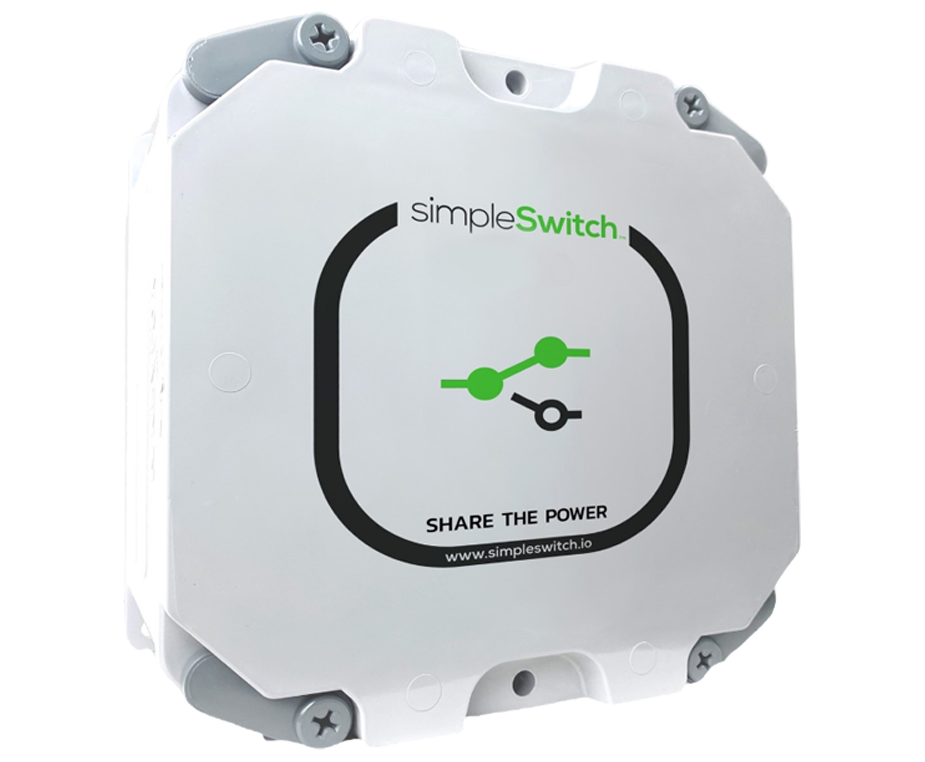
simpleSwitch lets you add a Level 2 EV charger to your home without an expensive electrical panel upgrade. Your EV charges safety without panel overload.
 30-day risk-free returns
- NEMA-rated
- Works with your existing panel
Why was the utility charging so much?
In the past, when homeowners needed service upgrades, utilities spread the cost of transformer and pole work across the entire customer base.
That meant if your neighborhood transformer needed an upgrade, everyone shared the expense and not just you.
But that’s changing.
More utilities (including Seattle’s) are now shifting toward cost-specific billing. This means the homeowner who triggers an upgrade (like adding an EV charger) might be charged for all associated engineering and infrastructure work.
In this case, the utility said the transformer and pole serving the house didn’t have enough spare capacity. And to accommodate the new 200-amp service, both had to be upgraded.
So, they initially tried to pass the entire $4,500 cost to the homeowner.
After some back-and-forth, the final negotiated utility cost dropped to $1,500. But still, that’s a big, unexpected expense just to power a car charger.
So, what’s the real cost of a panel upgrade?
If we add everything up, here’s how this Seattle homeowner’s project played out:
- Permit and electrical work: $4,500
- Utility disconnect/reconnect: $300-$500
- Utility transformer and pole upgrade (final): $1,500
- Total: Roughly $6,300
Now, while the $6,000 average cost might sound high, it’s actually becoming more common, especially as utilities begin to pass more infrastructure costs directly to homeowners.
And that’s not even including the cost of the EV charger itself or labor for installation.
In many cities, homeowners report panel upgrade costs ranging between $3,000 and $7,500, depending on the complexity of the job and whether the utility needs to get involved.
I have detailed this cost break-down in my blog on the cost of installing EV charger at home.
Why are utility companies changing their billing approach?
It’s not just Seattle.
Across the country, utilities are facing a surge in electrical demand as more people switch to EVs, heat pumps, and other electric appliances.
And instead of absorbing these upgrade costs systemwide, utilities are:
- Charging individual homeowners who trigger the need for upgrades.
- Requiring additional engineering reviews before approving new service capacities.
- Adding longer wait times for scheduling disconnects and reconnects.
In short: utilities are becoming more cautious, and more expensive, when it comes to residential service upgrades.
This means it’s now more important than ever that you check out smart alternatives before committing to a costly panel replacement.
How to avoid utility upgrade costs?
Here’s the good news: You don’t actually need to upgrade their panels just to charge your EVs.
Instead, you can use an automatic load management device like simpleSwitch.
How does this work?
Well, an EMS like simpleSwitch uses a whole-home circuit sharing approach to safely balance electricity use in your home. And it lets you charge EV with excess electricity when you’re not using your home appliances at full capacity.
Also, it continuously monitors how much power your home is using in real time.
If your home’s load gets too close to your panel’s limit (say 125A), simpleSwitch temporarily pauses EV charging for a few minutes until enough capacity frees up. Then it automatically resumes charging.
That means you can:
- Add a Level 2 EV charger to your existing 125A service
- Avoid expensive panel upgrades or utility fees
- Charge safely and efficiently, without overloading your system
For most homeowners, installing a smart EMS costs a fraction of what a full electrical upgrade would.
Sounds interesting, doesn’t it?
What’s the future of electrical panel upgrades?
This Seattle example shows a shift in how utilities approach residential energy needs.
In the coming years, we’ll likely see:
- More homeowners charged directly for transformer and pole upgrades
- Higher engineering fees for added electrical loads
- Increased delays for utility approval and inspections
The trend is clear and upgrading your electrical service is only going to get more complicated and more expensive.
What can you learn from the Seattle case?
If you’re planning to install a home EV charger, here are some key takeaways from the Seattle example:
1. Always get a full estimate, including utility costs
The electrician’s quote might not include the utility company’s fees, which can sometimes double the total cost.
2. Ask your utility company about transformer capacity
If your neighborhood transformer is near its limit, you could be charged for part (or all) of the upgrade.
3. Check alternatives before upgrading your panel
Systems like simpleSwitch let you safely use your existing panel by managing loads automatically.
4. Be prepared for new billing practices
Many utilities are now billing customers directly for system upgrades triggered by EV charging demand.
No More $10k Electrical Panel Upgrade to Charge Your EV at Home
simpleSwitch lets you add a Level 2 EV charger to your home without an expensive electrical panel upgrade. Your EV charges safety without panel overload.
- 30-day risk-free returns
- NEMA-rated
- Works with your existing panel
Conclusion
By now, I am sure you’ve got a real understanding of how much utility companies can charge you for a panel upgrade.
But, installing a home EV charger shouldn’t mean paying thousands in utility and electrical upgrade costs.
With tools like simpleSwitch, you can make the most of your existing electrical panel, avoid expensive service upgrades, and charge your EV safely.
Want to charge your EV without a costly electrical panel upgrade?
We’ve got you covered.
At simpleSwitch, our smart electrical load management systems help you safely share power across your home, avoid utility upgrade costs, and charge your EV efficiently.
Frequently asked questions
Why do I need to upgrade my electrical panel to install an EV charger?
Installing a Level 2 EV charger typically requires a larger electrical panel to safely handle the increased power demand. If your home has a 125-amp panel, it may need to be upgraded to 200 amps to accommodate the additional load.
How much does an electrical panel upgrade cost?
The total cost of a panel upgrade can range from $3,000 to $7,500, depending on factors like the complexity of the job and whether the utility company needs to upgrade infrastructure (transformers, poles).
Why did the utility company charge the homeowner for infrastructure upgrades?
Utility companies used to absorb the cost of transformer and pole upgrades, but many companies are now shifting that burden to homeowners. If your home’s electrical demand triggers an upgrade (like adding an EV charger), you might be responsible for those infrastructure costs.
What’s the best way to avoid the high costs of a panel upgrade?
Instead of upgrading your panel, consider installing an energy management system (EMS) like simpleSwitch. These systems balance your home’s electricity use in real time, preventing overloading and allowing you to add an EV charger without a costly upgrade.
How does an energy management system (EMS) like simpleSwitch work?
EMS systems like simpleSwitch monitor your home’s electricity use and pause EV charging when the load is too high, preventing overloads. It ensures you can safely use your existing panel while charging your EV efficiently.
What are the long-term trends in electrical upgrades for homes?
As more people install EV chargers and other high-demand appliances, utilities will likely charge homeowners directly for upgrades to transformers and poles. There will also be more engineering reviews and longer wait times for approval.