If you’re new to electric cars, one of the first (and most confusing) questions you’ll run into is whether or not all EVs use the same charger.
You come across different plugs and chargers, home charging and public charging, and suddenly it feels so complicated.
So, let’s make this very simple for you.
For starters, all electric vehicles do not use the exact same charger or plug.
However, the good news is this: In most cases, adapters make your EV compatible for different chargers.
So even though EVs don’t all use one single universal plug, most drivers can still charge conveniently at home and at public stations.
In this blog, I will break it all down. You’ll know how chargers differ based on charging level, EV type, brand, and more.
Let’s get started with it.
Key takeaways
- Not all electric cars use the same plug, but most are easy to charge.
- Most non-Tesla EVs use the same home charging plug.
- Tesla uses a different plug but works with adapters.
- Fast chargers have more plug differences than home chargers.
- Adapters make many chargers work across brands.
- You can usually use one home charger for different EVs using adapters.
- Even homes with limited electrical panel capacity can charge an EV.
Why don’t all electric vehicles use the same charger?

All EVs don’t use the same charger mainly because they’re designed for different charging speeds and situations.
Also, some chargers are slow and meant for home use, while others are very fast and built for road trips.
On top of that, car brands chose different plug designs over time, which is why you see a quite a few EV connector types today.
Overall, here’s why EVs don’t use a single charger:
1. There are different charging levels
There are three main charging levels with different charging speeds. And each level uses a different charger. For instance:
- Level 1 charging uses a basic Level 1 charger that plugs into a regular 120-volt wall outlet. Most electric cars come with one of these. It works fine if you don’t drive much, but charging can take a long time.
- Level 2 charging is what most EV owners use at home for overnight charging. It uses a Level 2 EV charger connected to a dedicated 240-volt outlet, similar to what a dryer uses.
- DC fast chargers are the fastest option and are mainly found at public charging stations. These chargers are designed for quick top-ups when you’re traveling or in a hurry, not for everyday home use.
2. There is a standard charging plug for non-Tesla cars
Most non-Tesla electric vehicles use a plug called J1772 for home charging.
This is the standard connector used by almost all non-Tesla EVs in North America for both Level 1 and Level 2 charging.
So, if you own a typical electric car and install a home charger, chances are very high that it will use this plug.
3. Tesla uses a different plug
Tesla vehicles use their own connector, commonly known as NACS. This looks different from the J1772 plug used by other brands.
However, Tesla allows third party charging with Mobile Connectors (or standard Tesla adaptors).
Meaning Tesla vehicles can easily use regular home chargers with this small adapter. In fact, most Tesla cars come with this adapter already.
So even though the plug is different, Tesla owners can still use standard home charging equipment.
4. Fast chargers use many different plugs
When it comes to DC fast charging on highways and public charging stations, the plug types vary a lot.
You’ll usually see different fast chargers across different charging stations. This includes:
- CCS
- Tesla’s NACS
- And in a few older cars, CHAdeMO
This is why you might notice that some fast chargers are not compatible with your car without an adapter.
So the biggest differences between chargers are seen at public fast-charging stations, and not at home.
In short, here’s why EVs don’t all use the same charger:
| Reason | What it means |
| Different charging speeds | Slow home charging and fast road-trip charging need different setups |
| Different plug designs | Car brands chose different plugs over time |
| Home charging is mostly the same | Most non-Tesla EVs use one common home plug |
| Tesla is slightly different | Tesla uses its own plug but works with adapters |
| Fast charging varies more | Public fast chargers use different plugs |
Tip: You can charge your EV using many different chargers with an adapter

Yes, that is right.
Many electric vehicles can use one type of charger directly and another charger type by using a small adapter.
An adapter is simply a piece that fits between the charger and your car, allowing different plug shapes to work together. It is not complicated and doesn’t change how charging feels day to day.
In fact, adapters are so common these days that even a charger that looks incompatible at first often works just fine.
Tesla owners, for instance, regularly use Tesla Mobile Connectors to charge their cars using non-Tesla chargers at homes and public chargers.
So, as long as your car supports the adapter, you can usually plug in and charge without any issues.
Bonus: You can charge any EV at home even if your electrical panel is limited

A lot of homeowners worry that they can’t install an EV charger because their electrical panel doesn’t have enough spare capacity.
And this mainly happens because their electrician tells them that a panel upgrade is absolutely necessary.
But that’s not always true.
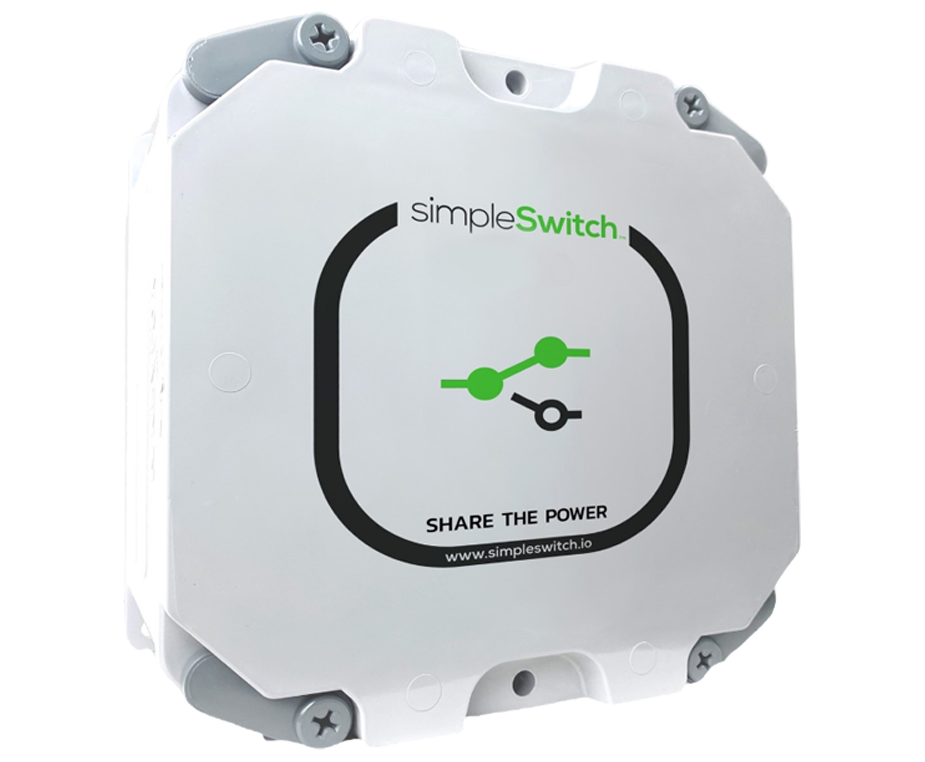
You can use a load sharing device like simpleSwitch and chare your EV by safely sharing available power with other appliances in your home like a dryer.
This means you can still charge your electric car at home even when your panel is already close to its limit.
Sounds awesome, doesn’t it?

No More $10k Electrical Panel Upgrade to Charge Your EV at Home
simpleSwitch lets you add a Level 2 EV charger to your home without an expensive electrical panel upgrade. Your EV charges safety without panel overload.
 30-day risk-free returns
- NEMA-rated
- Works with your existing panel
Final thoughts
By now, you know the reasons why all electric vehicles don’t use the same charger.
But here’s the thing:
Most electric vehicles can charge in very similar ways, especially at home.
The main differences come from the connector on the car and the type of charger being used. And adaptors can help overcome this difference, making your EV compatible across different chargers.
Got more questions or want to install an energy management device to overcome panel limitations?
You can get in touch with us!
At simpleSwitch, we offer the highest-quality EV energy management systems, all UL-listed and proudly made in the USA, to help you safely charge your EV at home.
Frequently asked questions
Can I use the same home charger for different electric cars?
Yes, in most homes, you can use the same charger for different electric cars.
Most non-Tesla electric vehicles use the same J1772 plug for home charging. But, if someone in your home has a Tesla, they can still use that same charger with a simple adapter.
So one well-chosen home charger can usually work for multiple cars, even if you switch brands in the future.
Do Tesla cars use the same charger as other electric vehicles?
Not exactly.
Tesla cars use a different plug than most other electric vehicles.
But this is not a big problem for home charging. That’s because Tesla cars can easily use standard home chargers with an adapter, and most Tesla owners already have one.
So, even though the plug looks different, Tesla drivers can still charge at most home and public chargers without much effort.
Are public fast chargers the same for every electric vehicle?
No, public fast chargers are not always the same for every electric vehicle.
Different cars use different fast-charging connectors, such as CCS or Tesla’s connector. Some older cars use another plug as well.
That’s why you sometimes see multiple cables at one charging station.
It’s always a good idea to quickly check which connector your car supports before using a fast charger.
Will electric vehicles use the same charger in the future?
Charging is slowly becoming more standardized.
Many car manufacturers are now moving toward the same charging connector that Tesla uses. This means charging should become much simpler in the coming years.
While there are still a few different plugs today, the industry is clearly trying to reduce confusion and make charging more universal for drivers across the country.
Do I need to worry about buying the wrong home charger?
In most cases, no.
As long as the charger matches your car’s plug or works with an adapter, you will be fine.
Most homeowners choose a Level 2 charger that works with common connectors and future vehicles.
If you’re unsure, your installer can help you pick the right one. Once installed, you normally won’t need to change your charger for many years.
Is home charging easier than using public charging stations?
For most people, yes.
Home charging is usually much simpler because you use the same charger and the same plug every day.
You just park, plug in, and let your car charge overnight.
Public charging can involve different connectors, apps, and station availability. That’s why many EV owners prefer to rely on home charging for their regular driving and daily needs.