



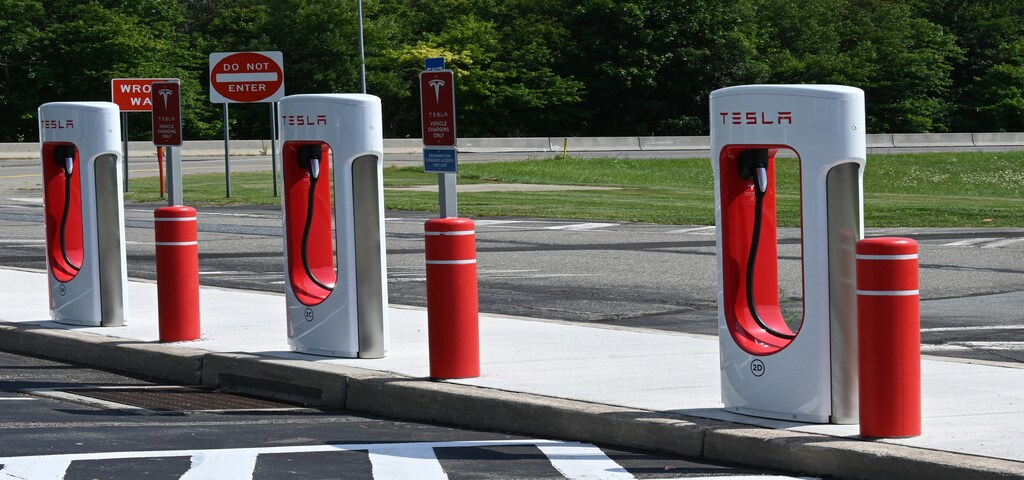
Bought your first EV and planning to use public charging stations more often?
Great!
But charging your electric car at a public charging station isn’t just about plugging in and walking away. There’s actually an unspoken set of rules that EV drivers are expected to follow.
Also called EV charging etiquette, it can feel a little confusing at first. So much so that you might end up with questions like:
- Is it okay to unplug someone else’s EV?
- Should you charge to 100% at a busy charging station?
- What happens if all chargers are occupied and people are waiting?
However, once you understand a few basic EV charging best practices, using public chargers becomes much easier and less stressful for everyone around you.
In this blog, I will walk you through all things electric car charging etiquette. We will talk about simple habits that can make charging smoother for all EV drivers as well as common mistakes to avoid.
So, let’s get started.
Key takeaways
- EV charging etiquette helps charging stations work smoothly for everyone
- Move your car once charging is complete
- Avoid charging to 100% at busy public fast chargers
- Never unplug another person’s EV without permission
- Respect charging queues and shared charging spaces
- Use the correct charger for your EV and charging needs
- Good EV charging habits help reduce wait times and charger congestion
What is EV charging etiquette?

EV charging etiquette refers to the basic rules and respectful habits EV drivers follow while using charging stations.
You see, unlike gas stations where fueling usually takes just a few minutes, EV charging can take much longer depending on the charger type and battery level. That’s why how EV charging stations work is very similar to shared spaces with multiple people waiting for access.
And because of this, how you use a charger can directly affect other EV owners around you.
For instance leaving your car plugged in after charging is complete, blocking a charging spot, or using fast charger when you don’t need it can create frustration for other drivers.
That’s exactly why electric car charging etiquette is essential.
The idea is simple: Use charging stations responsibly, be mindful of others, and help keep the charging experience smooth for everyone.

No More $10k Electrical Panel Upgrade to Charge Your EV at Home
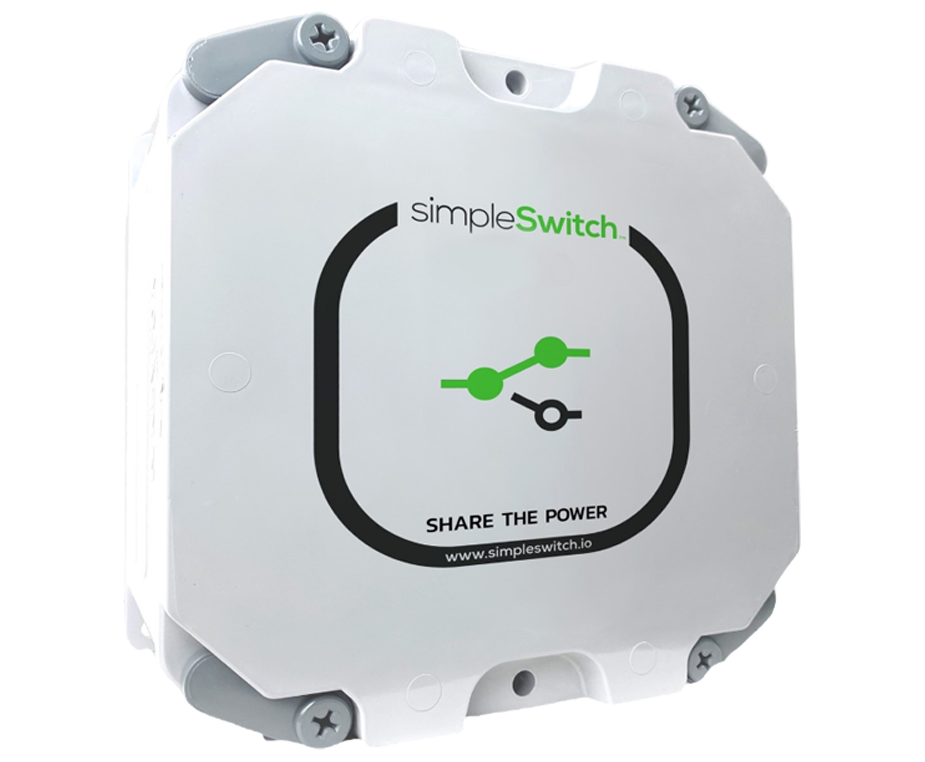
simpleSwitch lets you add a Level 2 EV charger to your home without an expensive electrical panel upgrade. Your EV charges safety without panel overload.
 30-day risk-free returns
- NEMA-rated
- Works with your existing panel
Why does electric car charging etiquette matter more now than ever?
A few years ago, public EV chargers were not nearly as busy as they are today.
But now, with more people switching to electric vehicles, charging stations are becoming much more crowded, especially in busy cities, shopping centers, apartment complexes, and highway stops.
And here’s the thing: Public charging infrastructure is still growing.
So while new charging stations are being added across the country, there are still plenty of situations where:
- Chargers are limited
- Wait times can happen
- Multiple drivers need access at the same time
This is where proper EV charging station etiquette helps reduce unnecessary waiting, improve charger availability, prevent conflicts between drivers, and make public charging more efficient.
Here are some essential EV charging etiquette rules every EV owner should follow

1. Don’t occupy a charging spot if you’re not charging
If your car is not actively charging, you shouldn’t be parked in a charging spot. It sounds obvious, but this happens more often than you’d think.
Sometimes drivers leave their EV parked at a charger even after the session ends. Other times, non-EV vehicles park there completely, a situation many EV owners call ICEing.
Why is this such a problem?
Well, that’s because charging spots are not regular parking spaces. They are meant specifically for vehicles that need to charge.
And blocking access unnecessarily can create long wait times for other drivers who might genuinely need power to continue their trip.
So, once your charging session is complete, it’s a good practice to move your vehicle as soon as possible.
2. Move your EV once charging is complete
This goes hand in hand with the first point, but it deserves its own mention.
You see, many public charging stations now charge idle fees once your EV finishes charging. And honestly, there’s a good reason for that.
At busy charging stations, leaving your car plugged in after it’s already charged prevents other EV drivers from using the charger.
The good news is that most EVs and charging apps now send notifications when charging is complete.
So if possible, keep an eye on your charging status and move your car when it’s done. Even moving it 10-15 minutes sooner can make a huge difference for someone waiting nearby.
3. Avoid charging to 100% at busy fast chargers
This is one of the biggest EV charging best practices many new EV owners don’t know about.
Here’s the thing: EV batteries charge much faster between lower battery levels and around 80%. But after 80%, charging speed usually slows down significantly.
This means the last 20% can sometimes take almost as long as the first 80%.
So, if you’re using a busy DC fast charger and several people are waiting, charging all the way to 100% might unnecessarily hold up the station for a long time.
In most situations, charging to around 80% is enough to continue your trip comfortably.
Of course, if you truly need a full charge for a long drive, that’s completely understandable. But the idea is simply being mindful of charger demand and other waiting drivers.
4. Never unplug another person’s EV without permission
This is one area where electric vehicle charging etiquette can get a little sensitive.
In general, you should never unplug someone else’s EV unless they’ve clearly given permission.
Why?
That’s because you don’t know whether they still need the charge, how long they plan to stay, or whether their vehicle allows safe disconnection.
Also, some EVs lock the charging connector automatically during charging for safety reasons. So, trying to disconnect it forcefully can damage the equipment or trigger an alarm.
Now, some EV drivers do leave notes allowing unplugging once charging reaches a certain level. But unless that permission is clearly given, it’s best not to touch another person’s charger.
5. Respect the charging queue
Sometimes you’ll arrive at a charging station and find every charger occupied.
It happens, especially during weekends, holidays, or busy travel hours. And in situations like these, proper EV charger etiquette becomes really important.
The general rule is simple: First come, first served.
If other EV drivers are already waiting, respect the order in which they arrived.
You’d be surprised how many unnecessary arguments happen when someone tries to skip the queue or pull into a charger before another waiting driver gets the chance.
The good news is that most EV owners are usually very polite about this. In fact, many drivers even communicate openly about how much charge they need, how long they’ll be, and whether someone else urgently needs the charger more.
A little courtesy makes the whole experience smoother for everyone.
6. Use the right charger for your EV and your needs
Not every charging station works the same way. Some chargers are designed for slower charging over several hours, while others are high-speed DC fast chargers meant for quick top-ups during travel.
So, if your EV charges slowly on a DC fast charger, occupying one unnecessarily at a busy station will prevent another EV from charging much faster.
Similarly, if you’re planning to park somewhere for several hours, using a slower Level 2 charger instead of a fast charger may make more sense.
The idea is not that you can’t use certain chargers. It is simply about using charging infrastructure efficiently and thoughtfully.
This helps reduce congestion and improves charger availability for everyone.
7. Don’t block access with poor parking
This one sounds simple, but it’s a very common issue at public charging stations.
Sometimes drivers park too far from the charger, too close to another vehicle, or at an awkward angle that makes nearby chargers difficult to access. And because charging cables only reach so far, poor parking can accidentally block multiple charging spaces at once.
That’s why one of the easiest EV charging etiquette is simply parking carefully. You can try to do the following:
- Stay within the lines
- Position your charging port properly
- Avoid stretching cables unnecessarily
- Leave enough room for neighboring vehicles
A few extra seconds while parking can make charging much easier for everyone around you.
8. Keep charging cables neat and handled properly
Charging equipment is expensive, and public chargers go through a lot of daily use. So it’s always good practice to handle charging cables carefully.
After charging, avoid leaving cables lying on the ground where they can get damaged, become dirty, or create tripping hazards. Instead, place the connector back properly when you’re done.
Also, avoid pulling cables aggressively or forcing connectors into place. If a charger looks damaged or unsafe, it’s usually better not to use it and report the issue through the charging network’s app or support number.
9. Be mindful of charging speeds and time limits
Just because your charger says 350 kW doesn’t necessarily mean your EV can actually charge that fast.
Every EV has its own charging speed limit. For instance, if your vehicle can only accept 50 kW, using an ultra-fast charger at a crowded station won’t be an efficient choice.
This is why in some locations, charging stations also have posted time limits to keep chargers available for more drivers.
So, it is always a good idea to know your EV charger amperage and capabilities, understand charger types, and avoid occupying high-speed chargers longer than necessary.
Again, this isn’t about strict rules. It is simply part of being considerate in shared charging spaces.
10. Be polite and communicate when needed
Sometimes charging situations can get stressful.
Maybe chargers are full, someone is waiting, a charger isn’t working, or people are confused about queue order. And in moments like these, simple communication helps a lot.
Most EV drivers appreciate honesty and politeness. Saying something as simple as I’ll be done in 10 minutes, feel free to take this charger next, or I need a quick top-up can immediately reduce tension and confusion.
The EV community is still growing, and many drivers are learning together. So a little patience and kindness really go a long way.
In short, here are all the EV charging etiquette rules you should follow:
| EV Charging Etiquette Rule | What to Do |
| Charging spots | Only park if actively charging |
| Finished charging | Move your EV promptly |
| Fast charging | Avoid charging to 100% at busy stations |
| Other EVs | Don’t unplug without permission |
| Queues | Respect waiting order |
| Charger type | Use the right charger for your needs |
| Parking | Don’t block nearby chargers |
| Charging cables | Return cables neatly after use |
| Charging speed | Be mindful of charger limits and time |
| Communication | Be polite and communicate clearly |
Common EV charging mistakes that frustrate other drivers

Now that we’ve covered the main rules, let’s quickly talk about some common mistakes that often annoy other EV owners.
The truth is, most people don’t do these things intentionally. Usually, they just don’t know the proper electric car charging etiquette yet.
Here are some of the biggest ones to avoid:
1. Charging to 100% unnecessarily at busy stations
As I mentioned earlier, charging slows down significantly after 80%.
So staying plugged into a busy fast charger for a very long time can create unnecessary wait times for others.
2. Using a charger as a parking space
Some drivers leave their EV plugged in long after charging is complete while they continue shopping, eating, or running errands. This can be frustrating when other drivers are waiting.
3. Blocking chargers without charging
This includes:
- Non-EV vehicles parking in charging spots
- EVs parked without plugging in
- Poor parking that blocks charger access
5. Leaving cables on the ground
Besides damaging equipment, this can create safety hazards for other people using the station.
6. Ignoring charging notifications
Most charging apps send alerts when charging is complete. Checking your phone occasionally can help free up chargers faster for everyone else.
In short, here are the EV charging mistakes that you should avoid:
| Common EV Charging Mistake | Why It’s a Problem |
| Charging to 100% at busy stations | Increases wait times for other drivers |
| Using chargers as parking spots | Blocks charger access unnecessarily |
| Blocking chargers without charging | Prevents other EVs from using the station |
| Leaving cables on the ground | Creates safety and equipment risks |
| Ignoring charging notifications | Keeps chargers occupied longer than needed |
Is it rude to leave your EV plugged in after charging?
Well, it depends on the situation.
If the charging station is mostly empty and nobody is waiting, leaving your EV plugged in for a little longer usually isn’t a big issue.
But at busy charging stations, especially fast chargers, it’s generally considered poor EV charging etiquette to leave your car connected long after charging is complete.
Why?
That’s because someone else might be waiting for that charger to continue their trip.
So if possible, try to return to your vehicle shortly after charging finishes.
Can someone unplug your EV while charging?
In most cases, no.
And honestly, they shouldn’t as unplugging someone else’s EV without permission is generally considered bad EV charger etiquette.
Now, there are a few exceptions.
For instance, some EV owners leave notes saying it’s okay to unplug once charging reaches a certain percentage.
You can do the same if you think unplugging your EV is safe and you don’t mind someone using the charger.
Should you wait at a charging station if all chargers are occupied?
Yes, absolutely.
In fact, waiting is very common at busy charging stations.
The important thing is simply doing it respectfully.
For instance, if all chargers are occupied, park nearby without blocking traffic, identify the queue order politely, and avoid hovering too aggressively around charging spots.
Most EV drivers are usually understanding and cooperative in these situations.
Is it okay to charge your EV to 100%?
Yes, there’s nothing wrong with charging to 100% if you genuinely need the extra range.
But here’s the thing: At busy public DC fast chargers, charging the last 20% often takes much longer than the first 80%.
So if several people are waiting, charging all the way to full might hold up the station for quite a while.
This is why many experienced EV drivers only charge to around 80% during road trips or busy charging periods. It is faster, more efficient, and helps reduce waiting times for others.
Bonus: Home EV charging solves a lot of these problems
One of the best parts about charging at home is that you avoid most public charging hassles altogether.
There’s no waiting, charging queues, charger congestion, or worrying about public EV charger etiquette. You simply plug in your EV at home and charge on your own schedule.
The only challenge is when your home’s electrical panel has reached its capacity and your electrician is suggesting an expensive panel upgrade for EV charger.
But even in this situation, an electrical load management device like simpleSwitch can help you safely charge your EV without needing an expensive panel upgrade.
A device like this helps you charge your EV by sharing power with other high-demand appliances like dryers and HVAC systems without overloading your panel. So you get safer, smarter, and much more convenient home charging.
No More $10k Electrical Panel Upgrade to Charge Your EV at Home
simpleSwitch lets you add a Level 2 EV charger to your home without an expensive electrical panel upgrade. Your EV charges safety without panel overload.
- 30-day risk-free returns
- NEMA-rated
- Works with your existing panel
To sum up
EV charging etiquette really comes down to one simple thing: Being considerate of other drivers.
You see, as more people switch to electric vehicles, public charging stations are becoming shared spaces that everyone depends on.
But small habits can make a huge difference in your experience and that of others.
Things like moving your car once charging is complete, respecting queues, avoiding unnecessary charger use, and communicating politely all help make charging smoother and less stressful for everyone.
The good news is that most EV owners are already very respectful once they understand the basics. And now, you do too.
Got more questions or want to install an EV energy management system in your home?
You can get in touch with us!
At simpleSwitch, we bring state-of-the-art EVEMS to help you charge your EV safely at home without electrical panel overload. Our EVEMS devices are all UL-listed and proudly made in the USA.
FAQs about electrical vehicle charging etiquette
What is EV charging etiquette?
EV charging etiquette refers to the basic rules and respectful practices EV drivers follow while using public charging stations.
This includes things like moving your car after charging, respecting queues, not blocking chargers, and using charging stations responsibly.
Is it rude to leave your EV plugged in after charging?
At busy charging stations, yes, it can be considered rude.
Once your EV finishes charging, it’s best to move your car so other drivers can use the charger.
Some stations might also charge idle fees if your car remains plugged in too long.
Can you unplug someone else’s electric car?
Generally, no.
You should not unplug another person’s EV unless they’ve clearly given permission.
Doing so may interrupt their charging session or potentially damage charging equipment.
Why shouldn’t you charge to 100% at busy fast chargers?
Charging slows down significantly after around 80% for many EVs.
So charging all the way to 100% at a crowded station can keep other drivers waiting much longer unnecessarily.
What does ICEing mean?
ICEing happens when a gasoline-powered vehicle parks in an EV charging spot. This blocks access to chargers and is considered very frustrating for EV drivers.
Is home charging better than public charging?
For most EV owners, yes.
Home charging is usually more convenient, less stressful, and often cheaper than relying heavily on public charging stations.


