As someone who’s been driving an EV for a while, you might have noticed how EV charging is changing so fast and so soon.
New technologies are coming in, charging is getting smarter, and the whole electric vehicle charging ecosystem is becoming more connected than ever.
In fact, what worked until a year ago is now giving way to newer charging methods and systems.
For instance, NACS is no longer just a Tesla connector, it is becoming the standard EV connector type country-wide.
Now, you might be wondering:
- What are the biggest EV charging trends right now?
- Will charging get faster or easier?
- And what does the future of EV charging really look like?
Well, you don’t need to track every industry update to stay ahead.
In this blog, I have put together the latest trends in EV charging so you know exactly what’s changing and how it affects you as an EV owner.
Let’s have a look at them in detail.
Key takeaways
- Smart and AI-driven charging is becoming the new normal
- Ultra-fast charging is reducing charging time significantly
- Vehicle-to-grid (V2G) is turning EVs into energy sources
- Charging infrastructure is expanding rapidly across the U.S.
- Energy management systems are becoming essential for home charging
Are EV charging trends really changing that fast?
Short answer: Yes.
In fact, EV charging isn’t just improving little by little anymore. It is going through some big changes right now.
For instance, the number of charging stations across the country is growing quickly, which means it’s getting easier to find a charger almost everywhere. So much so that you can now find EV charging stations on Route 50, long dubbed the loneliest road in America.
At the same time, charging systems are becoming smarter, so they can manage power better and even help you save on electricity costs.
And then there are newer technologies, like bidirectional charging, where your EV can actually send power back to your home.
These trends aren’t just industry updates. They directly impact how convenient, efficient, and affordable charging becomes for you.

No More $10k Electrical Panel Upgrade to Charge Your EV at Home
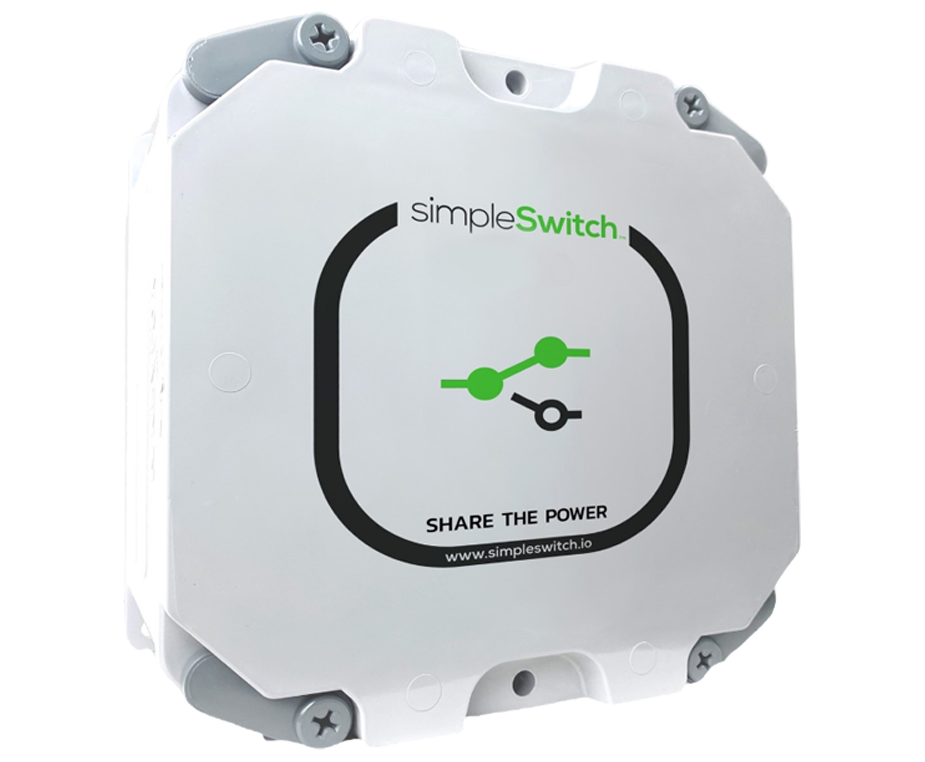
simpleSwitch lets you add a Level 2 EV charger to your home without an expensive electrical panel upgrade. Your EV charges safety without panel overload.
 30-day risk-free returns
- NEMA-rated
- Works with your existing panel
Here are the top 5 EV charging trends that you should know about

1. Smart charging is becoming the new normal
One of the biggest EV charging trends right now is smart charging. And it is changing how we charge EV at home or at public charging stations in a big way.
You see, earlier, charging was simple; you plugged the charger and let it run. But now, it is becoming much more intelligent with smart chargers.
Smart EV chargers use software, data, and sometimes AI to decide when and how your EV should charge.
So instead of pulling power constantly, your charger can:
- Charge during off peak charging hours when electricity is cheaper
- Make sure EV charging is not overloading your electrical panel
- Stop charging the moment it senses electrical overload
This not only improves safety but also reduces your electricity costs in the long run. That’s because you’re no longer just charging your car, you’re also managing energy usage in a smarter, more efficient way.
2. Ultra-fast charging is increasing convenience
Charging speed has always been one of the biggest concerns for EV owners. After all, no one wants to wait hours just to get back on the road.
But that’s changing quickly with ultra-fast charging.
There are newer charging stations equipped with Level 3 chargers and designed to deliver much higher power. This means your EV can charge way faster than before.
In real-world scenarios you can go from near zero to full charge in just 20-30 minutes. Meaning you can expect:
- Shorter stops during long drives
- Less planning around charging breaks
- A smoother, more gas-like experience overall
Note: This EV charging trend is mostly visible at public charging stations. For home EV charging, Level 2 chargers are still the safest and most practical solution.
3. EVs are becoming energy sources with V2G and V2H
Now here’s where things get really interesting.
Your EV is no longer just a vehicle, it’s becoming part of your home’s energy system.
With technologies like Vehicle-to-Grid (V2G) and Vehicle-to-Home (V2H), your car can actually send electricity back when needed.
That means your EV can:
- Power parts of your home during outages
- Support the grid during peak demand
- Help reduce your overall electricity costs
This shift is turning EVs into something much bigger than just transportation.
And as EV adoption grows, more homes will start using EVs as backup power sources or energy storage systems.
So in the near future, your EV could play a direct role in how your home uses and saves energy.
4. Charging infrastructure is expanding rapidly
Another major shift is happening around you, even if you don’t notice it every day.
I am talking about EV charging infrastructure.
There are over 78,000 public EV charging stations across the country. And thousands of new public charging stations are being installed everywhere.
In fact, according to Smart Electric Power Alliance, there could be as many as 500,000 EV charging stations nationwide by 2030.
This means one thing: It is easier to find an EV charger whether you’re in a city or on a highway.
And that’s not all in EV charging industry trends, as:
- Charging networks are becoming more reliable
- Wait times are gradually reducing
- Standard connectors like NACS are improving compatibility across vehicles
This matters because one of the biggest concerns people had about EVs was always charging availability.
But now, that gap is closing fast. And as access improves, owning and driving an EV is much more practical for everyday use.
5. Home energy management systems are becoming more common
As EV adoption grows, home charging is also becoming a bit more demanding.
That’s because charging your EV at home isn’t just about plugging it in anymore. You’re now dealing with:
- High and continuous power usage from Level 2 chargers
- Multiple home appliances running at the same time
- Limited electrical panel capacity
The problem is clear: If everything runs together, it can put stress on your system. So much so that it can cause electrical panel overload and even breaker trips.
That’s where EV energy management devices like simpleSwitch come in. These systems help you skip expensive electrical panel upgrades by sharing power between your EV charger and other high-power appliances.
This helps prevent panel overload or breaker trips, keeping EV charging safe and efficient.
In short, here are the top EV charging trends:
| Trend | What it means |
| Smart charging | AI manages energy usage |
| Ultra-fast charging | Faster charging times |
| V2G / V2H | EVs supply power back |
| Infrastructure growth | More chargers available |
| Energy management | Safer home charging |
What do these EV charging trends mean for you?
If you’re an EV owner, all of this is actually good news. But it also comes with a small shift in how you think about EV charging.
On the positive side, these trends mean:
- Charging is becoming faster and more convenient
- You can control and even reduce your electricity costs
- Your EV can do more than just drive, it can support your home’s energy needs
However, as electric car charging technology continues to evolve, charging at home is also becoming trickier.
A basic setup might work today. But smarter and faster EV chargers will need a system that can handle it safely and efficiently.
Thankfully, an EV energy management system can help you stay on top of EV charging trends without spending thousands of dollars.
No More $10k Electrical Panel Upgrade to Charge Your EV at Home
simpleSwitch lets you add a Level 2 EV charger to your home without an expensive electrical panel upgrade. Your EV charges safety without panel overload.
- 30-day risk-free returns
- NEMA-rated
- Works with your existing panel
To sum up
As you can see, from smarter systems to faster speeds and even bidirectional energy flow, the EV charging trends are all about efficiency, flexibility, and control.
And the best part?
Most of these trends are going to make your life easier as an EV owner. Just make sure your home EV charging setup is ready to support these changes, and you’re good.
Want to future-proof your home EV charging setup?
You can get in touch with us!
At simpleSwitch, we help you charge your EV at home without expensive panel upgrades.
Our EV energy management systems are designed to help you use your existing panel capacity smartly by balancing electrical load. Our EVEMS systems are UL-listed and proudly made in the USA.
FAQs about EV charging trends
What are the latest EV charging trends?
The biggest EV charging trends include smart charging, ultra-fast charging, V2G technology, expanding infrastructure, and better home energy management systems. These trends are making charging faster, safer, and more efficient.
What is the future of EV charging?
The future of EV charging is focused on speed, intelligence, and integration. Charging will become faster, more automated, and connected to the broader energy grid, allowing EVs to both consume and supply power.
What is smart EV charging?
Smart EV charging uses software and data to control when and how your EV charges. It helps reduce electricity costs, prevent overload, and optimize energy usage based on demand.
Will EV charging get faster in the future?
Yes, ultra-fast charging technology is improving rapidly. New systems are being developed that can significantly reduce charging time compared to traditional chargers.
What is V2G in EV charging?
V2G (Vehicle-to-Grid) allows your EV to send electricity back to the grid or your home. This can help reduce energy costs and improve grid stability.
Why is energy management important for home EV charging?
Yes. Energy management systems help prevent electrical overload, balance power usage, and eliminate the need for expensive panel upgrades. They make home EV charging safer and more efficient.