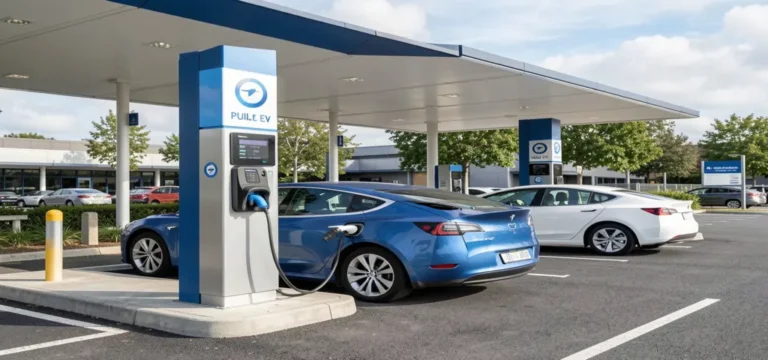
For those of you who are planning to switch to EV, the one question that you’ll almost certainly ask is: How long does it take to charge an electric car?
And it’s a fair question.
After all, we are used to spending just a few minutes at a gas station. And charging an EV can sound inconvenient at first.
Now, even though charging an electric car is way more easier and flexible, the exact charging time depends on a few factors.
For instance, if you charge your EV at home using a standard Level 2 charger, it will take you anywhere between four to ten hours.
At the same time, public fast chargers can give you a full charge in just about 20-30 minutes.
In this blog, I will break down how long EV charging really takes. You’ll know what affects charging time and how long you can expect to plug in your EV everyday.
So, let’s get started.
Key takeaways
- EV charging time depends on the charger, battery size, and how full the battery is
- Charging is very slow on Level 1 chargers
- Level 2 is the best option for everyday home charging
- Fast chargers are mainly for road trips, not daily use
- Charging slows down after 80% to protect the battery
- Cold weather can slow charging slightly, but it’s usually not a big issue
How long does it take to charge an electric car?
For starters, there’s no single answer to this question, because charging an electric car isn’t a one-size-fits-all situation.
But there are a few simple factors that determine how long it takes to charge your EV.
For instance, the type of charger you use decides how quickly your car will charge. So, whether you use a Level 2 vs Level 3 EV charger plays an essential role in charging speed.
Similarly, battery size plays a role. A larger battery holds more energy, so it naturally takes longer to charge than a smaller one.
Also, how full the battery already is makes a big difference. That’s because topping up from 50 percent is much faster than filling from nearly empty.
In real life scenarios, this means charging can take anywhere from about 20 minutes at a fast charger to several hours at home.

No More $10k Electrical Panel Upgrade to Charge Your EV at Home
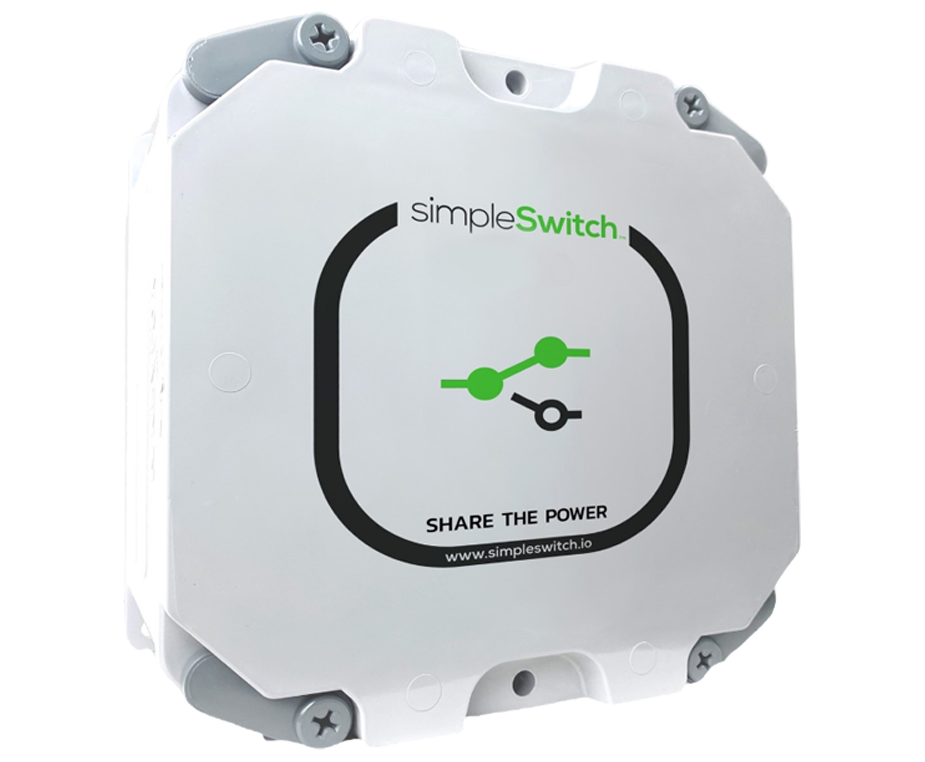
simpleSwitch lets you add a Level 2 EV charger to your home without an expensive electrical panel upgrade. Your EV charges safety without panel overload.
 30-day risk-free returns
- NEMA-rated
- Works with your existing panel
Here’s how long it takes to charge an EV based on charging level
How long it takes to charge your EV depends a lot on what charging level you are using.
These levels simply describe how much power the charger delivers and, in turn, how fast your car charges. Here, the higher the level, the faster the charge.
Most EV drivers use more than one level depending on where they are and how much time they have.
Let’s see how long each charging level takes to charge your EV:
Level 1 charging takes about about 20 to 50 hours

Level 1 charging is the slowest way to charge an electric car at home, but it’s also the most basic. Here, you charge your EV from a regular outlet, the same kind you already use for things like your phone, TV, or laptop.
There’s nothing special to install, which is why many new EV owners start here.
However, since a standard outlet delivers very little power, charging happens slowly. And in most cases, a full charge takes anywhere from 20 to 50 hours.
This is why Level 1 only makes sense if:
- You drive very little each day
- Your car sits parked for long periods
- You’re mainly topping up, not charging from empty
For most drivers, though, Level 1 is simply too slow to rely on as a main charging solution.
Level 2 charging takes about 4 to 10 hours
Level 2 charging is the most common and most practical option for everyday use. It uses a 240-volt outlet, similar to what large appliances like dryers or ovens use.
This is the type of charger most people install at home.
With Level 2 charging, your EV can fully charge in about 4 to 10 hours, depending on the battery size and how low it is when you plug in.
This makes it ideal for overnight charging. You plug in at night and by morning your car is fully charged, ready to drive.
Level 3 DC fast charging takes about 20 to 60 minutes
DC fast charging is the fastest way to charge an electric car and is mainly used when you’re on the road. These chargers are usually found along highways, at shopping centers, and in public charging hubs.
In most cases, a DC fast charger can take your battery from low to around 80% in just 20 to 60 minutes. This makes it perfect for road trips or quick charging stops when you need to get moving again.
Fast charging isn’t designed for everyday home use though. But, it’s a convenient tool for travel and quick top-ups when time matters most.
In short, here’s how long EV charging takes based on charging level:
| Charging level | Where it’s used | Time to charge | Best for |
| Level 1 | Regular wall outlet | 20-50 hours | Very light driving |
| Level 2 | Home charger | 4-10 hours | Daily use, overnight |
| DC Fast Charger | Public stations | 20-60 minutes (to about 80%) | Road trips |
How much driving range do you gain per hour of charging?

Thinking in terms of miles added per hour makes charging much easier to understand than looking at total charging time. That’s because you don’t always charge your EV from zero to full.
To begin with, Level 1 charging gives you about 3 to 5 miles of range per hour. This is slow, but it can still work if you drive short distances and leave your car plugged in for long periods.
With Level 2 charging, however, the difference is huge. Here, your EV gains around 20 to 30 miles of range per hour, which is excellent for most daily driving needs.
As for DC fast charging, it can add 100 to 300 miles of range in about 30 minutes, depending on the car and charger.
In short, here’s how much range you gain per hour of charging:
| Charger type | Range added |
| Level 1 | 3-5 miles per hour |
| Level 2 | 20-30 miles per hour |
| DC Fast | 100-300 miles in about 30 min |
How long does it take to charge a standard 60 kWh EV battery?
Most standard electric cars today come with a battery around 60 kWh, which makes it a good reference point if you’re trying to understand charging times.
Now, if you’re charging a 60 kWh EV battery at home using a Level 2 charger, a full charge will take about 6 to 8 hours.
If you’re using a DC fast charger to charge the same battery, you can go from low battery to around 80% in about 30 to 40 minutes.
In short, here’s how long it takes to charge a 60 kWh EV battery:
| Charger | What to expect |
| Level 2 (home) | Full charge in 6-8 hours |
| DC Fast | About 80% charge in 30-40 minutes |
What are the reasons for different EV charging times?

It can feel confusing when two electric cars are plugged into the same charger, yet one finishes much sooner than the other.
Also, your EV charges very quickly when the battery is low and it slows down later.
But this doesn’t mean something is wrong.
Let’s have a look at the reasons why charging times differ:
1. Battery sizes are different
Electric cars come with different battery sizes. Some have smaller batteries designed for city driving, while others have much larger batteries built for long range.
A larger battery simply takes longer to charge because it can hold more energy.
2. The car limits how fast it can charge
Every electric car has a built-in limit on how much power it can accept. So, even if you plug into a very powerful charger, the car will only take what it’s designed to handle.
This is done to protect the battery and ensure long-term reliability.
3. Charging slows down near full
Charging is fastest when the battery is low and it gradually slows down as the battery fills up.
But EV charging speed reduces at 80% to protect battery health and prevent overheating.
4. Weather can also affect charging
Cold weather slows down EV charging because when it’s very cold, the car first warms the battery before charging at full speed.
This uses some energy and adds a bit of time. But you only notice a small difference.
In short, here’s are the reasons why EV charging times differ:
| Factor | What it means |
| Battery size | Bigger batteries take longer |
| Car charging limit | Cars only take what they’re designed for |
| Battery level | Charging slows near full |
| Weather | Cold can slightly slow charging |
Is EV charging speed slow if your electrical panel is limited?
Yes, EV charging is usually slow if your electrical panel capacity is limited. That’s because you mostly use a Level 1 charger to avoid breaker trips.
But it isn’t always the case, especially if you use a smart load sharing device like simpleSwitch.
A device like this lets your EV charger safely share power with other high-power appliances in your home instead of requiring a full electrical panel upgrade.
This allows you to use a Level EV 2 charger without spending thousands of dollars on an electrical panel upgrade.
Sounds awesome, doesn’t it?
No More $10k Electrical Panel Upgrade to Charge Your EV at Home
simpleSwitch lets you add a Level 2 EV charger to your home without an expensive electrical panel upgrade. Your EV charges safety without panel overload.
- 30-day risk-free returns
- NEMA-rated
- Works with your existing panel
Final words
I am sure by now you’ve got a good idea about how long it takes to charge an electric car based on your EV battery and charger level.
You see, charging an electric car can take:
- Several days on a slow Level 1 charger
- A few hours on a home Level 2 charger
- Less than an hour on a public fast charger
Now, Level 2 chargers are what a majority of EV drivers use. They plug in their car at night, or just about anytime, and in a few hours they’re ready to move.
And with an EV energy management system like simpleSwitch, it has become even more seamless. After all, you need not upgrade your panel unnecessarily and lose thousands of dollars in the process.
Got more questions or want to install an EV load management system in your home?
You can get in touch with us!
At simpleSwitch, we proudly offer UL-listed made in the USA load management systems for both home and light commercial applications.
Frequently asked questions
Can I charge my electric car using a normal wall outlet?
Yes, you can.
Most electric cars can be plugged into a regular wall outlet at home.
This is called Level 1 charging. It’s safe and works fine for very light daily driving.
The only downside is speed. A normal outlet adds only a few miles of range per hour, so a full charge can take a long time.
How long does it take to charge an electric car at home?
At home, most people use a Level 2 charger.
With this setup, an electric car usually takes around 4 to 10 hours to fully charge, depending on the battery size and how empty it is.
You simply plug in at night and your car is ready by morning, which makes home charging very convenient and stress-free.
Why does fast charging usually stop around 80%?
Fast charging slows down after about 80% because the battery needs to be protected.
When a battery gets close to full, the car reduces the charging speed to avoid heat and long-term damage.
That’s why fast chargers are mainly designed to get you back on the road quickly, not to fill the battery completely.
Does charging an electric car take longer in cold weather?
Yes, cold weather can slow down charging.
When it’s very cold, your car might first warm the battery before charging at full speed. This means you might notice slightly longer charging times in winter.
Is it okay to charge my electric car every night?
Yes, charging every night is completely fine and very common. In fact, most electric car owners simply plug in when they get home and unplug in the morning.
You don’t need to wait until the battery is very low. Regular, smaller charges are easy on the battery and fit better into daily life.
How much driving range can I add in one hour of charging?
It depends on the type of charger you use.
With a normal wall outlet, you may add only about 3 to 5 miles of range per hour.
With a home Level 2 charger, you can usually add around 20 to 30 miles per hour.
Fast public chargers can add much more in a short time, but they are mainly meant for road trips and quick charging stops.
Do I really need a fast charger for daily charging at home?
For most people, no. A fast charger is not needed for daily home charging.
A Level 2 charger is more than enough for normal driving and overnight charging. Fast chargers are useful mainly on long trips when you need a quick top-up.