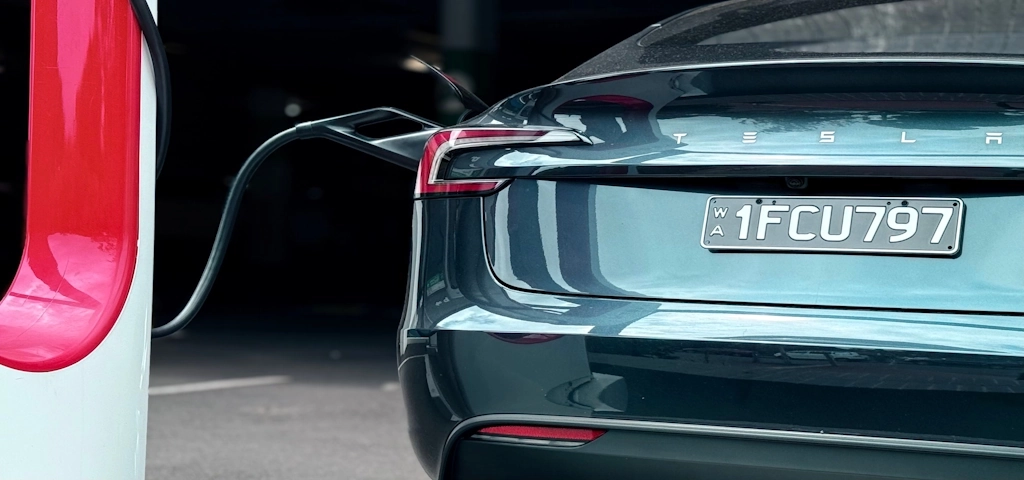
It is simple how an EV works: It takes electricity from the grid, stores it in the battery, and uses that energy for driving.
But what if your EV could also send that electricity back out to run household appliances or even sell it to the grid?
Futuristic as it might sound, this is entirely possible with bidirectional charging. Here, bidirectional EV chargers turn your EV battery into a mobile energy source that powers appliances and even sends electricity back to the grid.
And if you’re an EV owner, you can use this technology right now, all you need is the right EV and equipment.
Sounds impressive, doesn’t it?
In this blog, I have explained bidirectional EV charging in detail, including how it works, the different types of bidirectional technologies available, and what they can do for you.
So, let’s get right into it.
Key takeaways
- Bidirectional charging allows electricity to flow both into and out of an EV battery.
- Vehicle-to-Load (V2L), Vehicle-to-Home (V2H), and Vehicle-to-Grid (V2G) are different ways of using bidirectional EV charging.
- V2H can turn a compatible EV into a backup power source for your home.
- V2G can allow an EV to send electricity back to the utility grid, but it depends on your vehicle, equipment, utility, and local programs.
- Not every EV or EV charger supports bidirectional charging.
What is bidirectional charging?
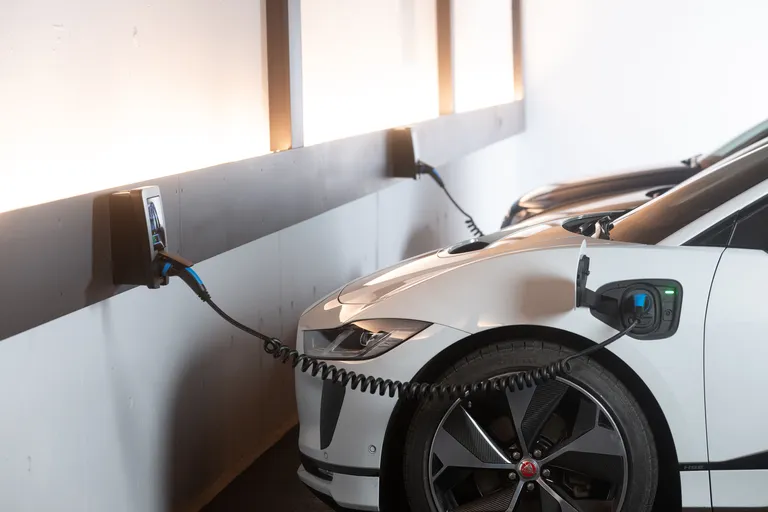
For starters, bidirectional charging is exactly what the name suggests, i.e., electricity can move in both directions.
You see, with a traditional Level 2 EV charger, electricity flows in one direction, from the grid into your EV. The EV stores that electricity in its battery and uses it to power the vehicle.
But with bidirectional EV charging, electricity can flow in the other direction too. For instance, electricity can flow from the grid into your EV and then into home appliances.
Here, your EV battery does more than just power your car. It can use the energy stored in your EV to power home appliances during a power outage. Also, with the right equipment, you can use your EV to even power your entire home.
The best part: Your EV can send electricity back to the utility grid.
As per Department of Energy, this can help utilities manage high electricity demand, and in return, EV owners or EV fleet operators can be compensated for providing this service.

No More $10k Electrical Panel Upgrade to Charge Your EV at Home
simpleSwitch lets you add a Level 2 EV charger to your home without an expensive electrical panel upgrade. Your EV charges safety without panel overload.
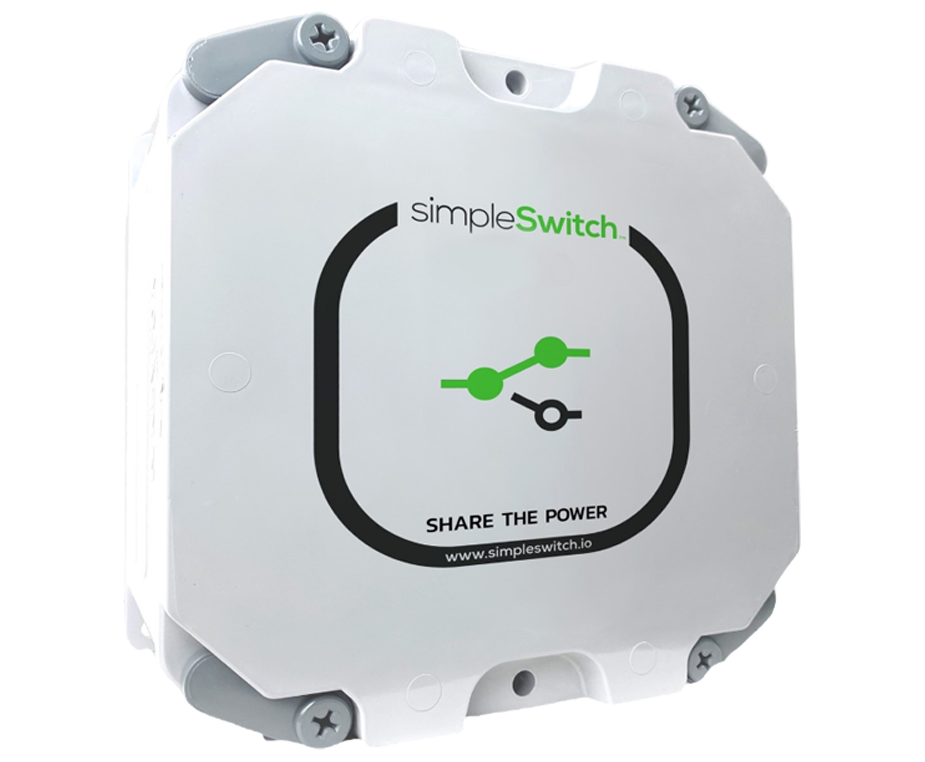
 30-day risk-free returns
- NEMA-rated
- Works with your existing panel
Here’s how bidirectional EV charging is different from traditional charging:
| Traditional EV charging | Bidirectional charging |
| Electricity flows into your EV | Electricity flows in and out of the EV |
| EV stores energy for driving | EV also provides stored energy to power appliances |
| Used for driving only | Can support transportation, home, appliances, or grid |
| One-way power flow | Two-way power flow |
How does bidirectional charging work?
At its basic, a bidirectional EV charger works just like your regular EV charger. However, it also allows energy to flow out of EV battery into appliances or even another EV.
Here’s how it works:
Step 1. Your EV charges normally
Your EV receives electricity from the grid or another energy source and stores it inside its high-voltage battery. At this point, the process is no different from normal EV charging.
Step 2. The EV battery stores that energy
The EV battery recharges normally, storing all the electricity as chemical energy. Now, the fact that EV batteries can hold a large amount of energy, this can make your EV work like a large mobile energy-storage system if needed.
Step 3. The energy can flow back out
With a compatible EV and bidirectional charger, electricity can flow out of the vehicle’s battery.
But here’s the catch: Your home appliances use AC electricity, while the EV battery stores DC electricity. So the EV needs appropriate equipment to convert that energy before it reaches your home.
While some EVs have the required inverter technology built into the vehicle, others rely on the bidirectional charging equipment. The exact setup depends on the EV and charging system you are using.
For instance, Tesla’s Powershare system uses Cybertruck’s built-in inverter to convert battery DC power to AC for the home or grid.
Step 4. The system manages where the power goes
Depending on the bidirectional system, the energy stored in your EV can be directed towards:
- Appliances
- Your home
- Another EV
- The utility grid
V2L vs V2H vs V2G: The different types of bidirectional charging explained
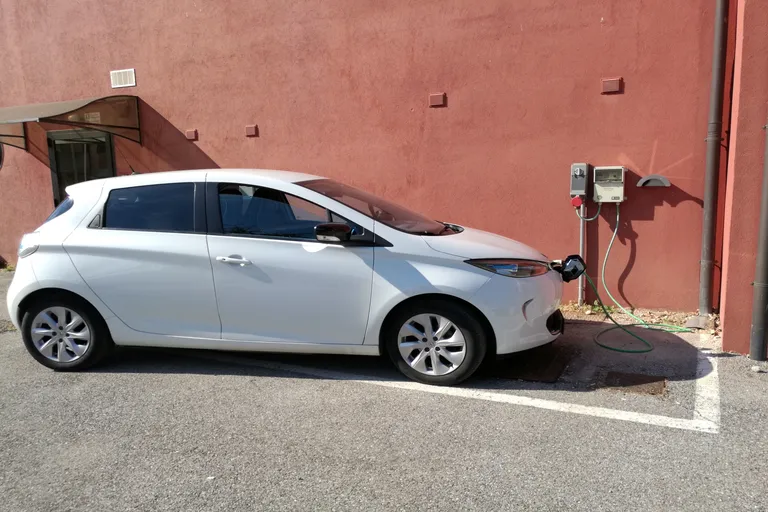
There are various different types of bidirectional EV that you’ll come across. This includes V2L, V2H, and V2G.
And although they all involve using energy from your EV battery, they are quite different. Here’s how:
| Type | Full Form | Use |
| V2L | Vehicle-to-Load | Power appliances, tools, electronics, etc. |
| V2H | Vehicle-to-Home | Power your home during an outage or manage home energy |
| V2G | Vehicle-to-Grid | Send electricity back to the utility grid |
| V2V | Vehicle-to-Vehicle | Transfer energy from one EV to another |
Let’s look at each of these bidirectional EV charging types in detail.
1. Vehicle-to-Load (V2L)
Vehicle-to-Load is the easiest form of bidirectional power to understand. Here, your EV essentially becomes a portable power source.
Depending on your EV, you can to plug in things like:
- Laptops
- TVs
- Small appliances
- Tools
- Camping equipment
- Other electronics
V2L is useful when you’re away from home or need temporary power somewhere that doesn’t have a convenient electrical outlet.
2. Vehicle-to-Home (V2H)
Instead of powering one appliance, Vehicle-to-Home uses a compatible EV to send electricity into your home’s electrical system. This means your EV battery can provide backup power during an outage.
Of course, this requires more than just a compatible EV. You need the right bidirectional charger, transfer/islanding equipment, wiring, and a properly configured home electrical system.
That’s because the system needs to safely disconnect your home from the utility grid before allowing the EV to supply power.
Present day V2H systems from manufacturers such as Tesla and GM use dedicated equipment for this.
3. Vehicle-to-Grid (V2G)
Vehicle-to-Grid is where your EV sends electricity back to the utility grid.
The idea is simple: When the grid needs extra energy, compatible EVs can discharge some of the stored electricity back into the grid. In return, EV owners can receive compensation or other financial benefits.
However, this is also where you need to pay attention to what you read online. V2G is real, but it isn’t something every EV owner can simply activate today. Your EV, charger, utility, interconnection requirements, and local program all have to support it.
As per Department of Energy, utility programs and incentives for EV-based grid services are not yet widely available.
4. Vehicle-to-Vehicle (V2V)
Vehicle-to-Vehicle, or V2V, allows one EV to transfer energy to another EV. For instance, if your EV is running low on charge and you’re stranded somewhere without a charging station, a compatible V2V system can allow another EV to provide some energy.
Note: V2V is not yet a standard feature across EVs. Also, both vehicles and the equipment being used have to support this type of power transfer.
What are the benefits of bidirectional charging for EV drivers?
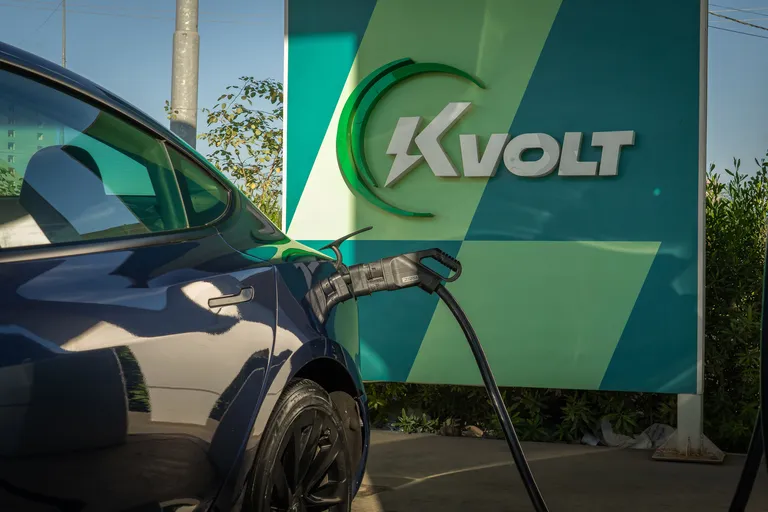
There are a lot of benefits to bidirectional charging. But I think the biggest one is that your EV battery can become useful even when you aren’t driving.
After all, your car sits in a driveway for 10, 12, or even more hours every day. And during that time, all that stored battery energy is sitting there unused.
With the right equipment, bidirectional charging can put that energy to work. Here’s how:
1. Your EV can provide backup power
This is probably the most practical benefit for homeowners.
If your EV supports Vehicle-to-Home (V2H), you can use its battery to provide power to your home during an outage. Since EV batteries are huge, they can keep essential household loads running for hours.
Note: Having a large EV battery doesn’t mean you can power your entire house. The amount of power you can use depends on your EV, bidirectional charger, inverter, home electrical system, and the appliances you are trying to run.
For instance, you might be able to use a refrigerator or some lights, but not an electric furnace, water heater, range, and central air conditioner.
2. You can make better use of solar energy
Bidirectional charging can also work very well with rooftop solar. Here, you can use solar panels to charge EV during the day and then use some of that stored energy later when your home needs it.
This can make your EV part of a larger home energy system rather than simply being a vehicle. You can combine V2H with solar or home battery storage to extend backup duration during an outage.
3. You can reduce electricity costs
Vehicle-to-Grid (V2G) can allow your EV to discharge electricity when demand on the grid is high or electricity is more expensive.
In areas with time-of-use electricity rates or utility programs that compensate customers for providing grid services, this can create additional savings or even earnings.
My own take: I would not buy an EV today assuming that V2G will help me earn and offset my investment on EV. The technology is ready, but the utility programs, interconnection rules, and compensation structures are still developing in many parts of the country.
4. Your EV becomes a mobile power source
With Vehicle-to-Load (V2L), your EV can provide electricity to individual devices without necessarily powering the whole home.
This can be useful for camping, outdoor projects, emergencies, or simply having power available when you need it.
Which EVs support bidirectional charging in 2026?
Tesla’s current Powershare system enables V2H functionality with the Cybertruck. Also, General Motors has expanded V2H capability across a growing number of Chevrolet, GMC and Cadillac EVs.
Other manufacturers like Ford, Hyundai, Kia, and Nissan, also offer different types of bidirectional power.
Pro tip: Check the exact vehicle model, model year, software, charging equipment, and intended use before assuming an EV supports V2H or V2G.
Is bidirectional charging worth it?
If you already own or are planning to buy a compatible EV, bidirectional charging can be a very useful feature. It is especially worth considering if you:
- Live in an area with frequent power outages.
- Have rooftop solar.
- Want an alternative to a traditional generator.
- Have a utility that supports V2G or demand-response programs.
- Want to get more value from the battery you already have in your EV.
But there is still a lot of equipment and electrical planning involved as a bidirectional EV charger is not the same thing as a regular Level 2 charger. Also, your home needs to be properly configured to safely handle power flowing from the vehicle back into the electrical system.
No More $10k Electrical Panel Upgrade to Charge Your EV at Home
simpleSwitch lets you add a Level 2 EV charger to your home without an expensive electrical panel upgrade. Your EV charges safety without panel overload.
- 30-day risk-free returns
- NEMA-rated
- Works with your existing panel
Conclusion
As you can see, bidirectional charging is changing the way we think about EVs. Instead of simply charging your car and driving away, you can use that same battery to power appliances, back up your home, store excess solar energy, or support electrical grid.
I think we’re still in the early stages of this technology. But from what I see in the EV and electrical space, the direction is very clear: The EV is becoming part of the home’s energy system, not just part of the transportation system.
And as more vehicles, chargers, utilities, and homes become compatible, bidirectional charging can become a much more normal part of EV ownership.
Got more questions or want a load sharing device to use a Level 2 charger at home?
You can get in touch with us!
At simpleSwitch, our award-winning load sharing device helps you charge your EV at home even on a limited electrical panel capacity. It uses the spare electrical power from other high-power appliances in your home, such as induction cooktop, hot tub, dryer, etc., to charge EV.
Our load sharing devices are UL-listed and proudly made in the USA for unparalleled quality and performance.
Frequently asked questions
What is bidirectional charging?
Bidirectional charging allows electricity to flow both into and out of an EV battery. Depending on the bidirectional EV charging system, the stored energy can be used to power appliances, a home, or the electrical grid.
What is Vehicle-to-Home charging?
Vehicle-to-Home, or V2H, allows a compatible EV to send electricity from its battery to a properly equipped home. It can provide backup power during a grid outage.
What is Vehicle-to-Grid charging?
Vehicle-to-Grid, or V2G, allows a compatible EV to send electricity back to the utility grid.
Can bidirectional charging power my entire house?
It can power many or all household loads, but that depends on the EV’s power output, the bidirectional charging system, and the home’s electrical loads. High-power appliances can significantly affect how much of your house a bidirectional system can support.
Does every EV support bidirectional charging?
No. Bidirectional capability varies by EV, model year, software, and manufacturer. You also need compatible charging and home electrical equipment for V2H or V2G applications.