Have you bought a brand-new EV and are getting ready to set it up for charging?
Awesome!
But here’s the thing: Buying an EV is the easy part. Charging it properly is where it becomes confusing.
You look up at online EV charging tutorials, and all of a sudden you’re asking questions like:
- Should I charge my EV to 100% every time?
- Is fast charging bad for EV battery or is it just a myth?
- Can I just plug it in whenever I want?
It can feel like there are too many EV charging rules, and you know little about them.
But don’t worry, it’s actually much simpler than it sounds once you know the basics.
In this blog, I’m going to break it all down for you.
You’ll learn easy beginner-friendly EV battery charging best practices that will help you:
- Protect your battery
- Save money
- Charge your EV safely
So, let’s get started.
Key takeaways
- Keep your battery between 20% and 80% for daily use
- Avoid using DC fast chargers too often
- Charge at home whenever possible
- Don’t use extension cords or unsafe setups
- Schedule charging during off-peak hours to save money
- Use certified chargers and proper installations
Are EV battery charging best practices really necessary?
The short answer is, yes, these best practices are essential if you want to use your EV battery efficiently and prolong its lifespan.
You see, your EV battery is the most expensive part of your car. And how you charge it directly affects:
- Battery life
- Charging speed
- Long-term performance
Although most EV batteries last between 8-10 years, good charging habits can help you stay on the higher end of that range.
Think of it this way: Your EV battery doesn’t like extremes. It prefers smooth, steady, and predictable charging.
And once you understand how to do that, you’re able to use your EV battery at peak performance for years.

No More $10k Electrical Panel Upgrade to Charge Your EV at Home
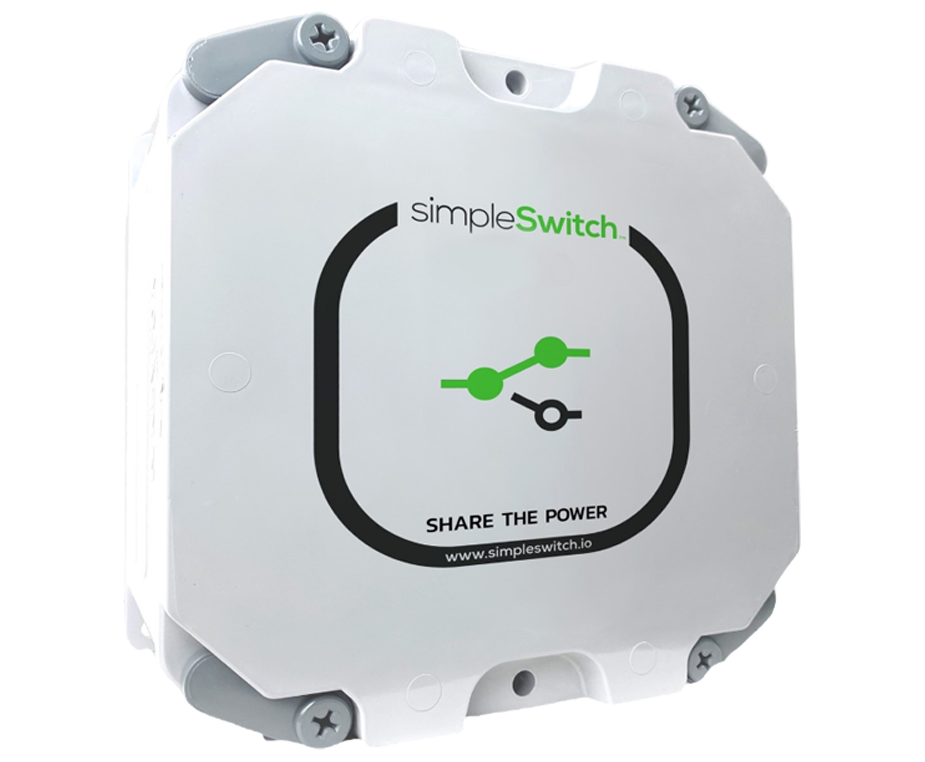
simpleSwitch lets you add a Level 2 EV charger to your home without an expensive electrical panel upgrade. Your EV charges safety without panel overload.
 30-day risk-free returns
- NEMA-rated
- Works with your existing panel
9 beginner-friendly EV battery charging best practices
1. Don’t charge your EV to 100% every day
One of the biggest mistakes EV owners make is charging their car to 100% almost every day.
As a beginner, it feels natural to fully charge your car every time. After all, you fully charge your phone every day, and your car battery doesn’t seem different.
But let me tell you that EV batteries aren’t the same.
So, if you are charging your EV to 100% every day, it puts extra stress on the battery and can slowly reduce its long-term capacity.
Here’s a better approach I suggest you follow:
Keep your EV battery between 20% and 80% for daily use.
This is called the 80-20 rule of EV charging where you simply make sure your battery is never below 20% and above 80%. This approach is perfect to cover most of your daily trips without straining your battery.
Note: You can top up your EV to 100% for road trips, long drives, or any time you need maximum range.
2. Avoid letting your battery drop too low
Just like overcharging is bad, letting your battery drain too far can also harm it. That’s because deep discharges put extra strain on the battery and reduce its lifespan over time.
So, try not to let your EV battery drop below 10-20% on a regular basis. And if you start seeing low battery warnings, plug in your car sooner.
Think of your EV like your phone, it’s better to top it up regularly than let it run completely empty.
Maintain moderate battery levels, and you’ll be able to keep your battery healthier for longer and avoid stressful situations where your EV might run out of charge mid-day.
3. Use DC fast chargers only when you need them
DC fast chargers are awesome.
They can add a lot of miles in just minutes. And you can have from near zero to up-to 80% battery in just 20 minutes.
But here’s the catch: Using DC fast chargers too often can speed up battery wear over time.
So for daily charging, it’s much better to stick to home Level 2 EV chargers. You can save fast charging for when you’re on a road trip or in a hurry.
You’ll help protect your battery and ensure it keeps performing well over the long term by limiting fast charging.
4. Charge at home whenever possible
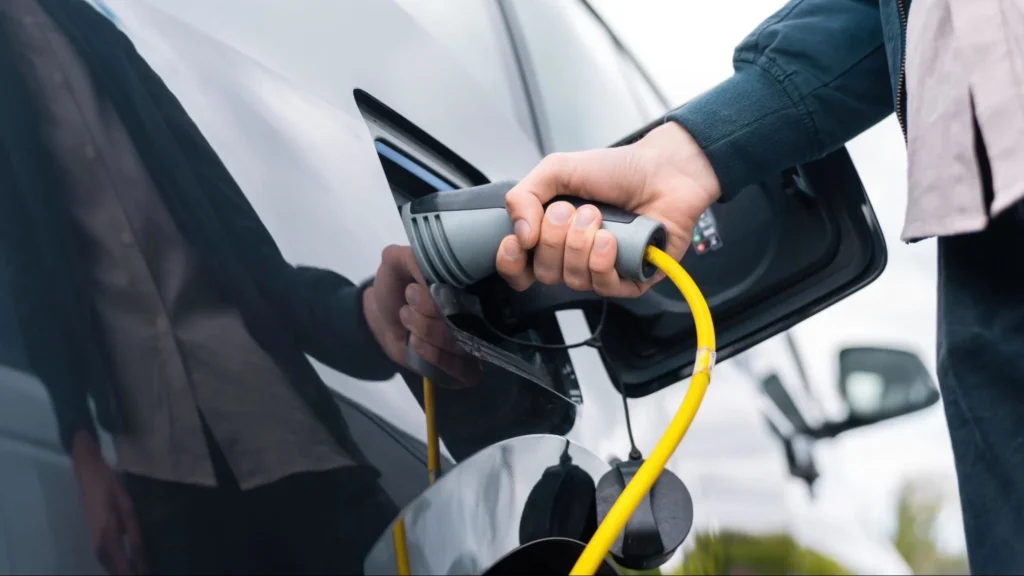
Home charging is the easiest and most convenient option for EV owners. It is cheaper than using public chargers, and it gives you more control over your charging habits.
Plus, it’s better for your battery because you can charge at Level 2 speeds in a steady, controlled way.
A Level 2 home charger can add 20-40 miles of range per hour, which is perfect for overnight charging. Just plug in before bed and wake up to a full battery.
Pro tip: invest in a proper home charging setup rather than relying solely on public chargers. You can even go about DIY Level 2 charger installation. It is much more reliable, cost-effective, and stress-free.
5. Use a dedicated outlet
EV charging uses a lot of power, so it’s important to have the right EV charger outlet type at home.
For instance, plugging your EV into a standard outlet or sharing circuits with heavy appliances can cause overheating, tripped breakers, or even fire hazards.
That’s why I suggest you use a dedicated 240V outlet or a professionally installed Level 2 charger for safe, reliable charging. Also, never use extension cords or plug your EV.
6. Schedule your charging (and save money)
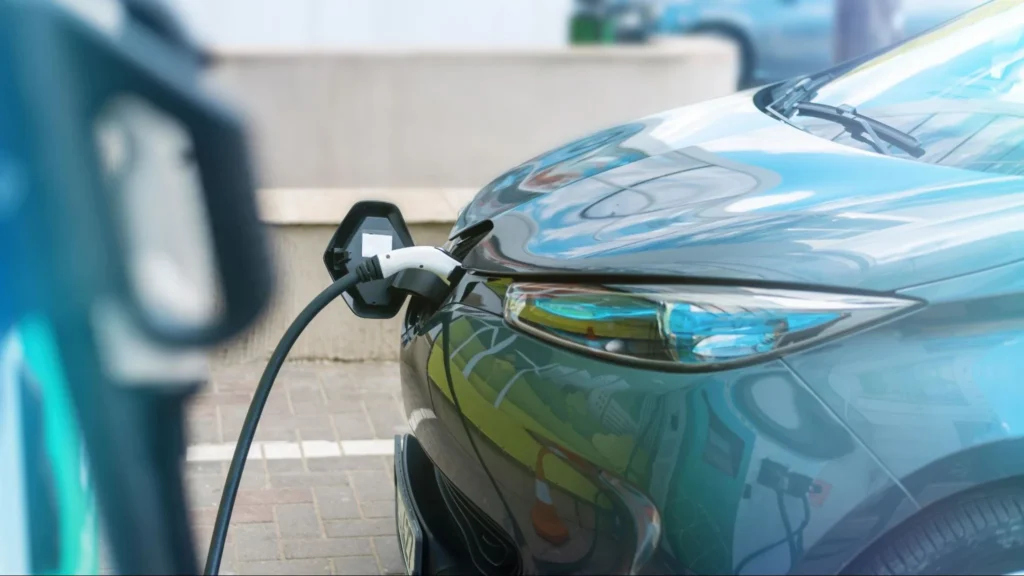
Electricity prices aren’t the same all day. And charging during peak hours can be expensive.
So much so that in some places, you might pay up to 10 times higher than off-peak rates.
That’s exactly why you should schedule your EV to charge during off-peak hours. Take it from me, this will save you a lot of money over time.
Plus, this is super convenient. Most EVs and home chargers allow you to set charging schedules.
For instance, you can have your car charge overnight when rates are lower and the grid is less busy.
7. Avoid charging in extreme temperatures
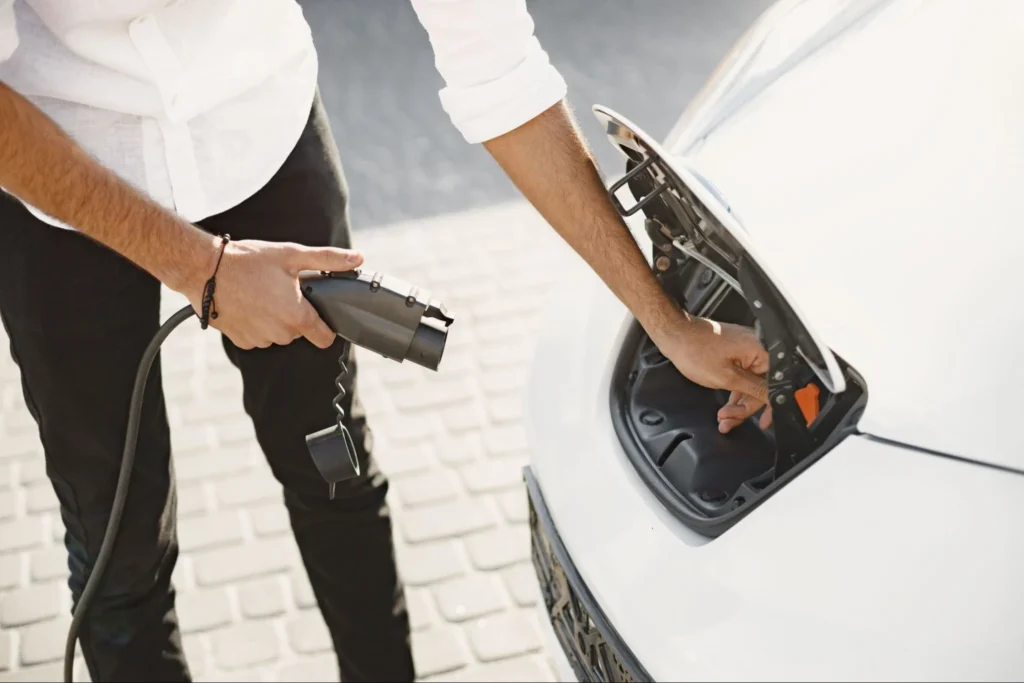
EV batteries don’t like extremes. And charging in very hot or very cold conditions can slow down charging, reduce efficiency, and even stress the battery.
You can follow simple strategies such as park in a garage or shaded area, use your car’s pre-conditioning feature if it has one, and avoid charging after a long drive.
Your EV will charge more efficiently and maintain its health over time if you simply keep your battery in a comfortable temperature range.
8. Always use certified and safe equipment
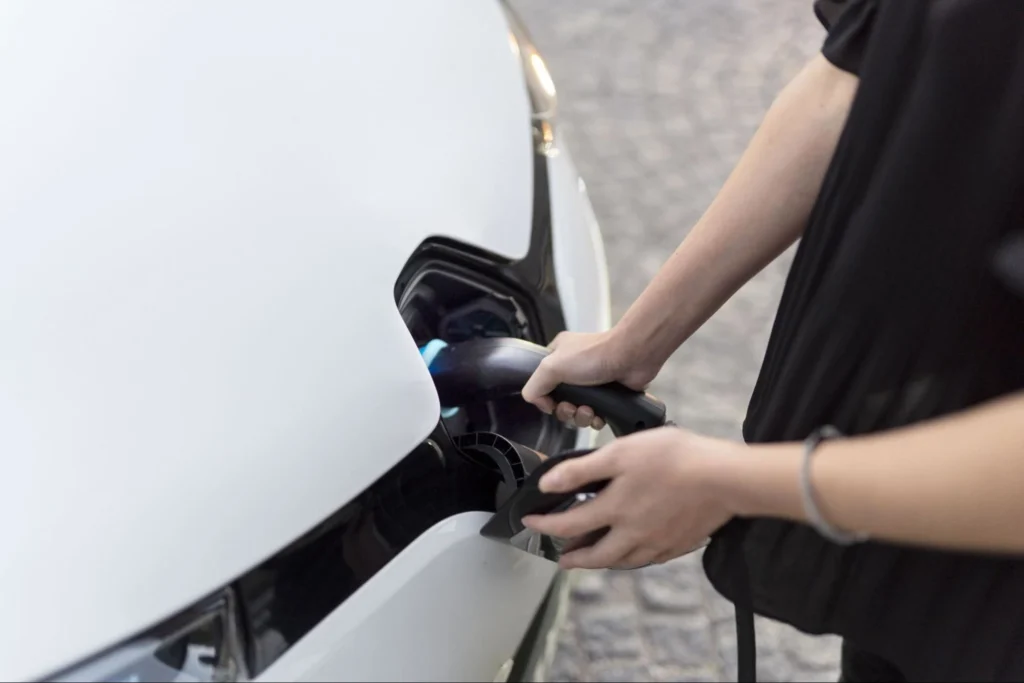
You should never use cheap or uncertified charging equipment as it can be dangerous, cause short circuits, overheating, or even fire hazards.
In fact, improper equipment is one of the main causes of EV charging accidents in the country.
So what’s the safest approach?
Stick to certified chargers (preferably UL 2594/UL 2202 certification), follow manufacturer guidelines, and have any installations done professionally. It’s worth the extra cost for peace of mind.
9. Don’t overload your home electrical panel
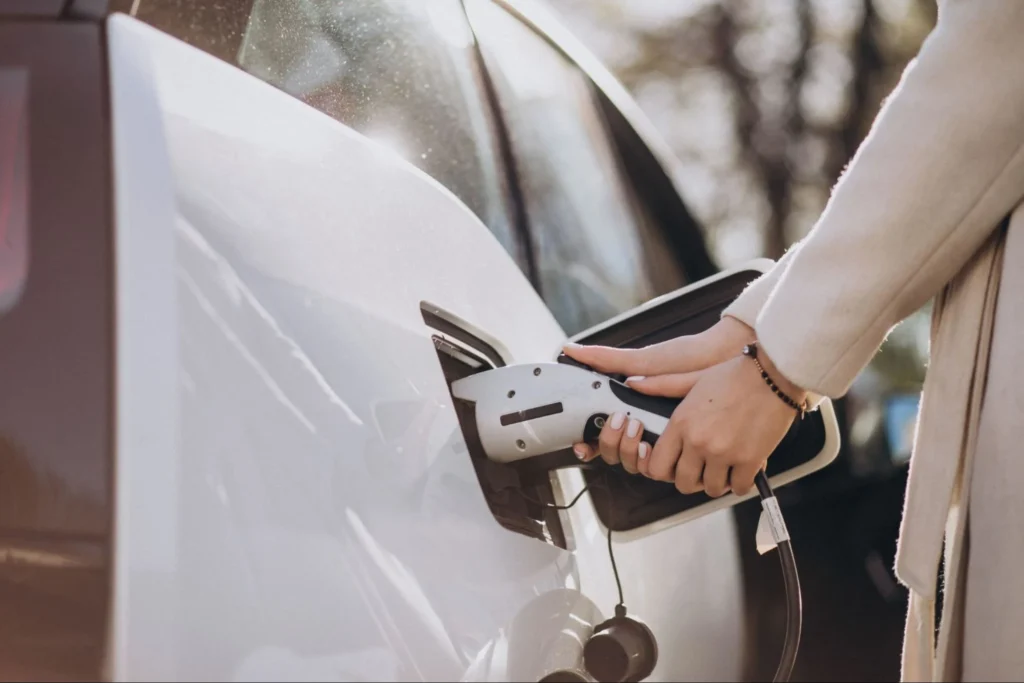
An EV charger uses a lot of power. Plus, you are already using other high-power appliances at home such as oven, dryer, or air conditioners.
Now, if you try to use an EV charger while these appliances are running, it can overload the electrical panel and even trip breakers.
A smart solution is to use an electrical load sharing device like simpleSwitch. It automatically balances power between your EV charger and other appliances and keeps everything running safely and smoothly.
For instance, if your dryer turns on, EV charging automatically pauses, then resumes when the dryer stops.
This ensures you don’t need an expensive panel upgrade for safe EV charging at home.
That’s brilliant, isn’t it?
TL;DR, here are all the EV battery charging best practices
| Practice | What to do |
| Battery level | Keep between 20-80% |
| Fast charging | Use occasionally |
| Home charging | Preferably Level 2 charger |
| Safety | Use certified equipment |
| Setup | Avoid extension cords |
| Cost | Charge during off-peak hours |
| Temperature | Avoid extreme heat/cold |
| Electrical load management | Use load management device like simpleSwitch |
No More $10k Electrical Panel Upgrade to Charge Your EV at Home
simpleSwitch lets you add a Level 2 EV charger to your home without an expensive electrical panel upgrade. Your EV charges safety without panel overload.
- 30-day risk-free returns
- NEMA-rated
- Works with your existing panel
To sum up
EV charging isn’t complicated at all. And once you follow these EV battery charging best practices, everything becomes easy.
Also, the following avoid bad EV charging habits and you’re good:
- Charging EV battery to full everyday
- Charging on a DC fast charger almost daily
- Use cheap or uncertified EV charger to charge your EV at home
Got more questions or want to install an EV energy management system in your home?
You can get in touch with us!
At simpleSwitch Io, we bring award-winning energy management systems to help you skip an expensive electrical panel upgrade to charge your EV at home. Our EVEMS is UL-listed and proudly made in the USA.
FAQs about EV charging best practices
Should I charge my EV every day?
Yes, you can, and in most cases, it’s actually a good habit.
Daily charging helps keep your battery in the healthy 20-80% range without letting it drop too low.
Is it bad to charge my EV overnight?
Not at all!
Overnight charging is one of the easiest and most convenient ways to keep your EV ready for daily use.
Using a Level 2 charger at home overnight is safe and gives your battery a steady, controlled charge.
You wake up with a full battery, avoid peak electricity rates, and protect your EV’s long-term battery health.
How often should I use fast charging?
Fast charging is amazing for road trips, but it’s best to use it sparingly for daily charging.
Frequent fast charging can increase battery wear over time. So for everyday charging, stick to Level 2 chargers at home.
Can I plug my EV into a regular outlet?
Yes, you can, but it’s much slower than a dedicated Level 2 outlet.
A standard 120V household outlet adds only 2-5 miles of range per hour, making it best for short trips, emergencies, or plug-in hybrids.
Do I need a panel upgrade for home charging?
Not necessarily!
Most homes don’t need a full electrical panel upgrade for a Level 2 EV charger. You can use smart load management systems like simpleSwitch to safely use EV chargers without overloading your electrical panel.