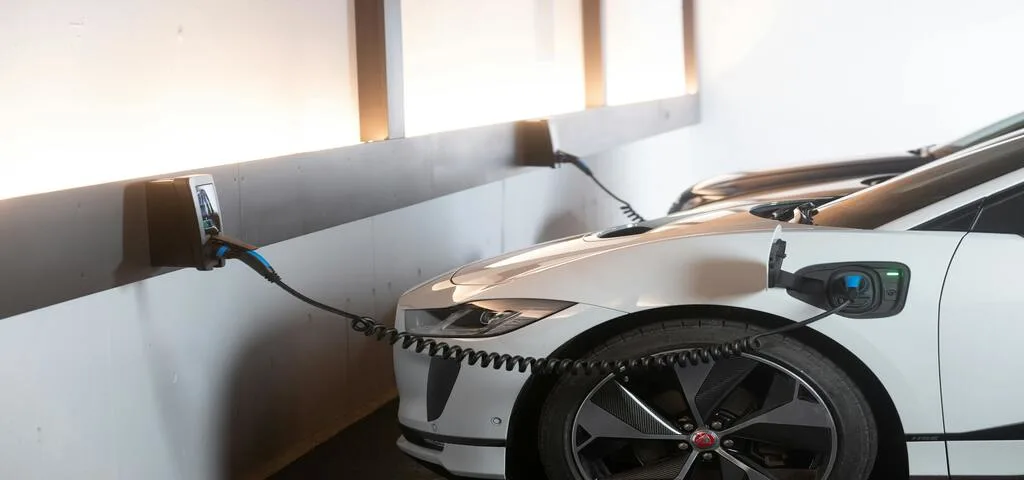
If you’ve newly bought an EV and want to charge it at home, you’re likely planning to use your NEMA 14-30 outlet or dryer outlet.
But how do you use your dryer outlet for EV charging safely?
This is one of the most common questions new EV owners have.
After all, you already have a dryer outlet at home. And if you can figure out how to use it for EV charging, you can save a lot of money on EV charging infrastructure.
Now, although you can use a NEMA 14-30 outlet for EV charging, it’s not as simple as just plugging in your charger and calling it a day.
There are a few important things you need to get right for it to work safely.
In this blog, I will explain it all. You’ll know:
- What is a NEMA 14-30 outlet
- How to use a NEMA 14-30 plug for EV charging
- The safety concerns and risks
- The best way to set it up properly at home
So, let’s get into it.
Key takeaways
- A NEMA 14-30 outlet is a 240V, 30-amp outlet typically used for dryers but can be used for EV charging in a pinch.
- EV charging is a continuous load, so you should only use about 80% of the outlet’s capacity (around 24 amps) to stay safe.
- Use a high-quality outlet, dedicated circuit, proper wiring, and a compatible EV charger for safety.
- Charging with a NEMA 14-30 is slower, delivering roughly 20-25 miles of range per hour.
- For daily or long-term use, consider upgrading to a NEMA 14-50 outlet or a hardwired EV charger.
What is a NEMA 14-30 outlet?
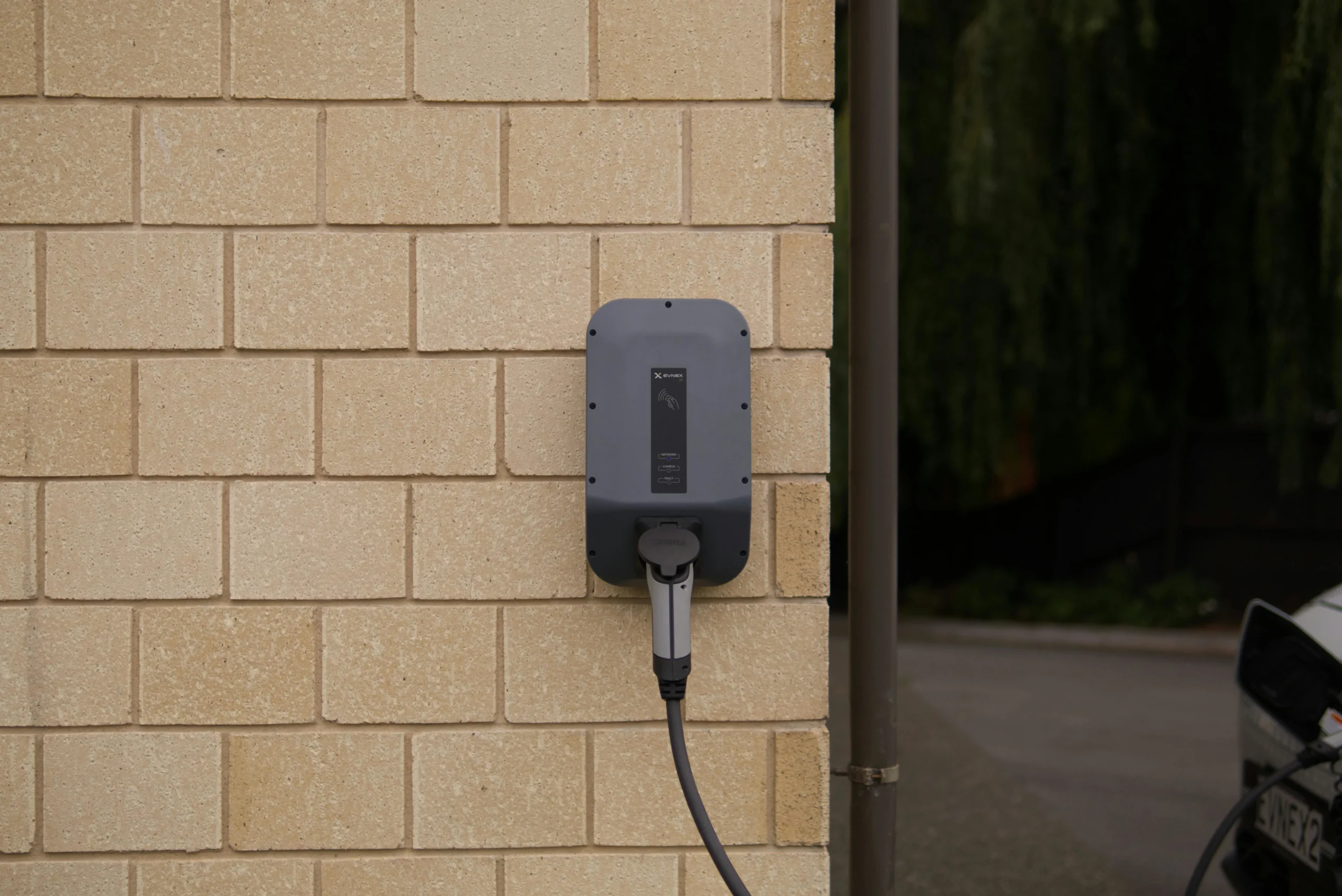
First off, let’s see what a NEMA 14-30 outlet actually is.
This outlet is a 240V, 30-amp outlet commonly used for appliances like dryers. That’s exactly why people also call this a dryer outlet.
The outlet has four connections, namely:
- Two hot wires (providing 240V)
- One neutral wire
- One ground wire
The outlet is built to handle more power than a standard 120V outlet. And it works perfectly fine for your home dryer.
But it doesn’t deliver as much power as other 240V outlets like the NEMA 14-50 outlet, which we commonly see in EV charging setups.

No More $10k Electrical Panel Upgrade to Charge Your EV at Home
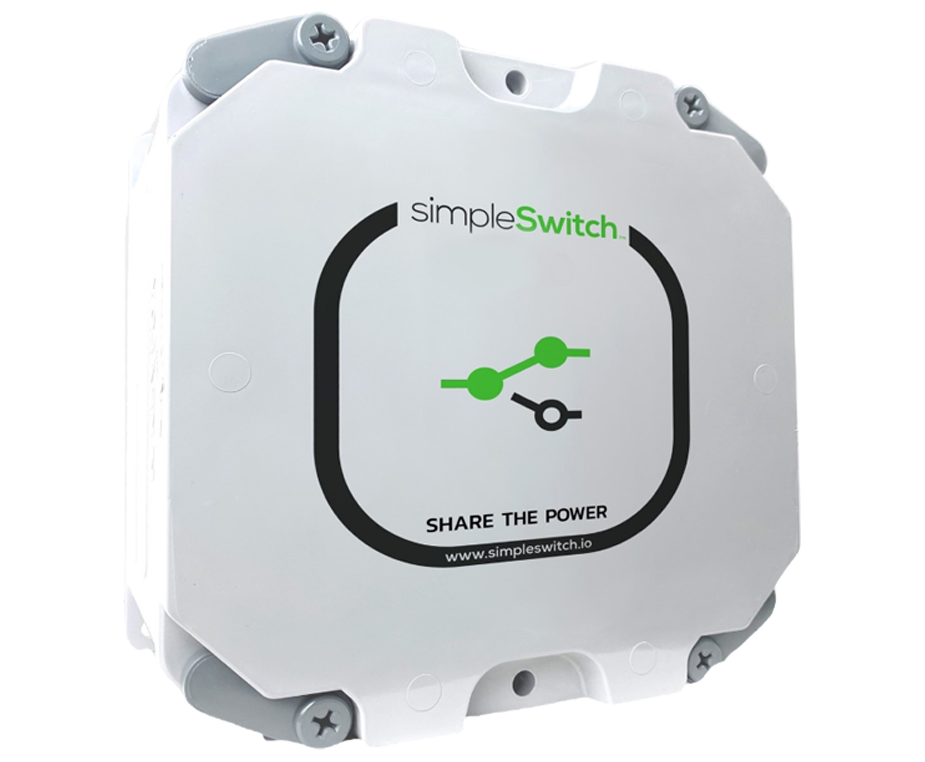
simpleSwitch lets you add a Level 2 EV charger to your home without an expensive electrical panel upgrade. Your EV charges safety without panel overload.
 30-day risk-free returns
- NEMA-rated
- Works with your existing panel
Can you use a NEMA 14-30 dryer outlet to charge your EV?
Yes, you can use an outlet rated NEMA 14-30 to charge your electric vehicle.
In fact, many EV owners do exactly that, especially with the help of an EV power management device when they already have a dryer outlet installed.
But here’s the catch.
It’s not just plugging your charger into this outlet that matters, it’s how you use it.
You see, EV charging causes a continuous load on the outlet. This simply means your charger is drawing power for several hours straight, or even overnight.
Now, a NEMA 14-30 plug is rated for 30 amps. But for a continuous load, like an EV charger, you’ll need to use this outlet at roughly 24 amps (80% of 30 amps).
So, in practice, using this outlet safely will require the following:
- Using a compatible NEMA 14-30 EV charger that limits power usage
- Making sure the circuit can handle long charging sessions
- Not pushing the outlet to its maximum capacity
Also, you should keep in mind that charging will be slower compared to both a NEMA 14-50 outlet and a hardwired charger.
How to safely use a NEMA 14-30 outlet for EV charging?
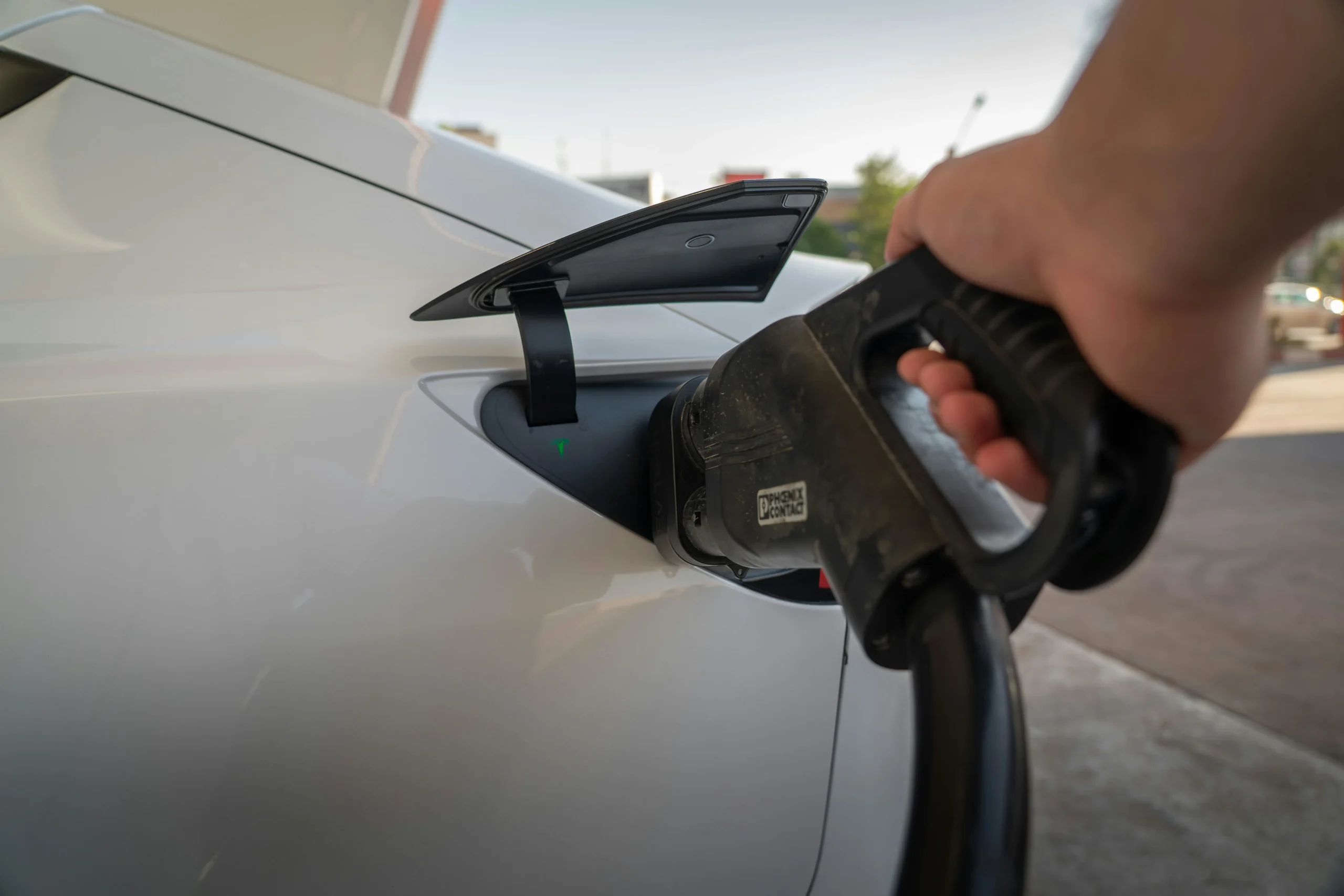
If you’re planning to use a NEMA 14-30 outlet for EV charging, the right charging setup matters a lot more than you might think.
Why?
Well, this isn’t like plugging in a regular appliance.
Your EV charger is going to run for hours at a time. And that puts consistent stress on the outlet, wiring, and breaker.
The good news is, you can use this outlet safely, as long as you follow the right steps.
Here’s what you need to do:
1. Use a high-quality outlet
A lot of homes already have a standard NEMA 14-30 dryer outlet installed. But these are usually designed for occasional use, and not continuous high loads like EV charging.
So if you’re planning to use it regularly, it’s a good idea to upgrade to a heavy-duty, industrial-grade outlet.
These are built with stronger internal contacts and better materials, which helps reduce heat buildup and keeps the connection stable for dryer outlet EV charging.
It is a small upgrade, but it makes a big difference in terms of safety.
2. Make sure the outlet is on a dedicated circuit
Your NEMA 14-30 outlet should be on a dedicated circuit, meaning it should not be shared with your dryer or any other heavy appliance.
Why?
That’s because EV charging already draws a significant amount of power for a long time. And if you add another appliance on the same circuit, you’re increasing the total load, which can lead to overheating or breaker trips.
A dedicated circuit ensures your EV charger gets consistent power without pushing the system beyond safe limits.
3. Use the right charger and power settings
Not every EV charger is designed to work with a NEMA 14-30 plug. So, you need a compatible charger that either:
- Comes with a NEMA 14-30 plug, or
- Allows you to set the charging current to 24 amps or lower
This is important because, as we discussed earlier, you should not exceed 80% of the circuit’s capacity for continuous use.
If your charger pulls more than that, you’re increasing the risk of overheating and long-term damage.
I suggest you always check your charger settings and make sure they match your outlet capacity.
4. Proper wiring and professional installation is also necessary
Even if the outlet is already there, it doesn’t automatically mean it’s ready for EV charging. The wiring behind the outlet needs to be in good condition and properly sized.
A typical NEMA 14-30 setup uses 10-gauge copper wiring and a 30-amp breaker. And although this works for EV charging, you still need to get everything inspected.
This is where a licensed electrician comes in. They can:
- Check if the wiring is up to code
- Confirm the circuit is safe for continuous load
- Replace or upgrade components if needed
This step is crucial for a peace of mind. After all, you don’t want to take chances with something that draws this much power.
5. Monitor the outlet from time to time
You might have set up everything correctly, but your job isn’t completely done.
Since this is a plug-in setup, there will always be some level of wear and tear over time.
So I suggest you occasionally check:
- If the outlet feels warm during charging
- If there’s any discoloration or burning smell
- If the plug feels loose or unstable
And if you notice anything unusual, stop using it and get it checked.
In short, here’s how to safely use a NEMA 14-30 outlet for EV charging:
| Step | Details |
| Outlet quality | Use industrial-grade, heavy-duty outlet |
| Dedicated circuit | Do not share with dryer or other appliances |
| Charger compatibility | Use NEMA 14-30 EV charger or limit to 24A |
| Proper wiring | 10-gauge wire, 30A breaker, code-compliant setup |
| Monitoring | Check regularly for heat, wear, or loose connections |
What are problems with using a NEMA 14-30 plug for EV charging?
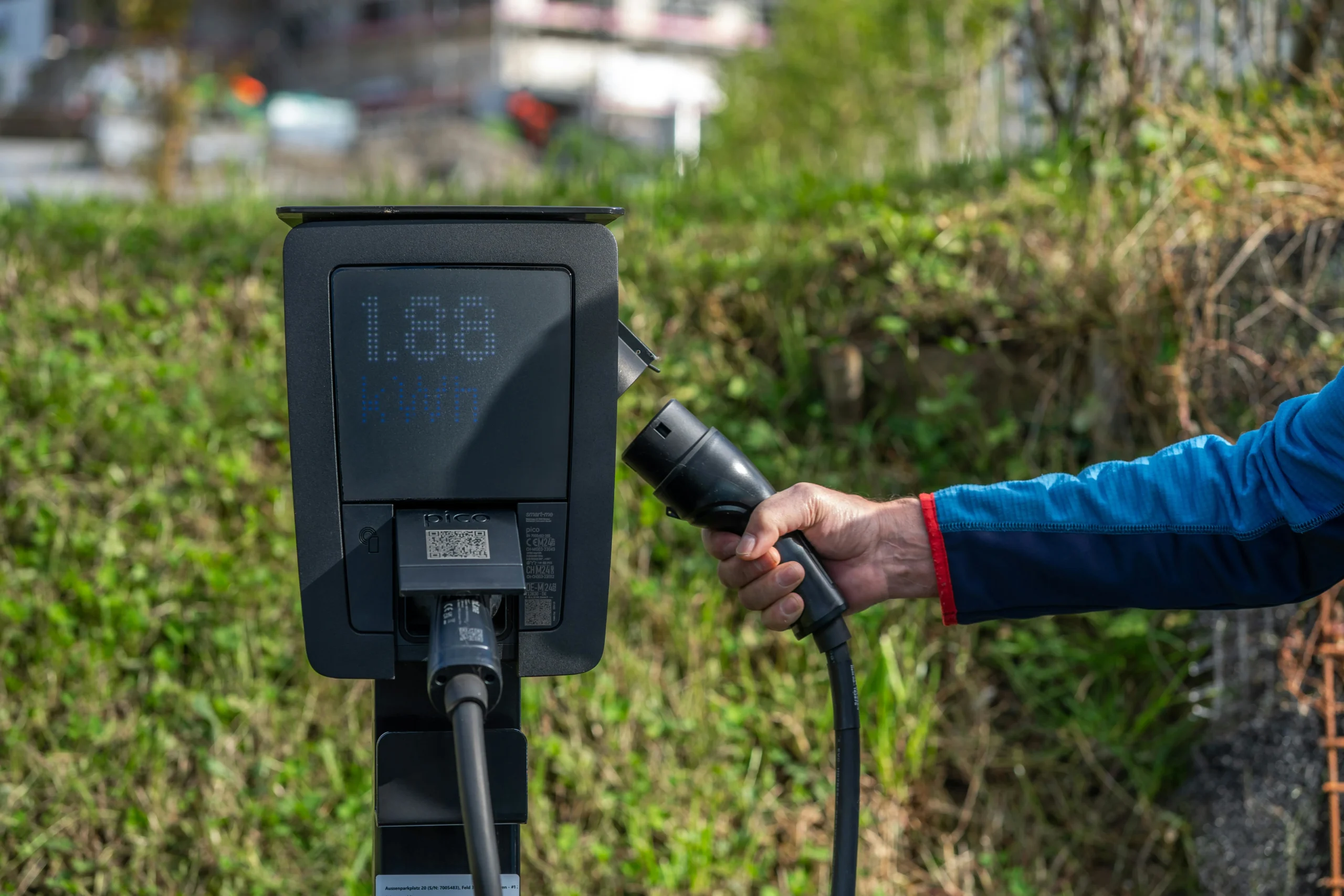
Although you can technically use a NEMA 14-30 dryer outlet for EV charging at home, there are a few issues you should know about, including:
1. Slower charging speeds
The NEMA 14-30 outlet can deliver a maximum of 7.2 kW of power to your EV, which translates to about 20-25 miles of range per hour.
This isn’t terrible if you’re just topping off your battery overnight.
However, it’s slower than a NEMA 14-50 outlet, which can deliver up to 12 kW and charge your car faster.
So, if you drive a lot or need faster charging speeds, a dryer outlet might not be the best option.
2. Overheating risks
Overheating is the real concern when it comes to using a NEMA 14-30 outlet for EV charging, especially when compared to other NEMA plug types.
Why?
You see, residential-grade outlets weren’t designed to handle the constant, high-power load that EVs require.
So, when an outlet is constantly in use for long periods, it can overheat, causing the connections to weaken or even melt over time.
3. Possible damage to your charging equipment
A high-quality NEMA 14-30 outlet might be able to handle the load in the short term. But it’s not built to last when it comes to the demands of daily EV charging.
Also, cheap or old outlets, particularly ones installed in homes for other appliances, might not stand up to the stresses of EV charging. This can lead to equipment failures, overheating, and potential fire hazards.
In short, here are all the risks of using a NEMA 14-30 dryer outlet for EV charging:
| Risk | Why It’s a Concern |
| Slower Charging Speeds | Only delivers 7.2 kW power, about 20-25 miles of range per hour |
| Overheating | Can overheat if used continuously due to lack of proper design for EV loads |
| Equipment Damage | Lower-quality outlets might wear out or fail over time due to the sustained load |
What are the alternatives to using a dryer outlet for EV charging?
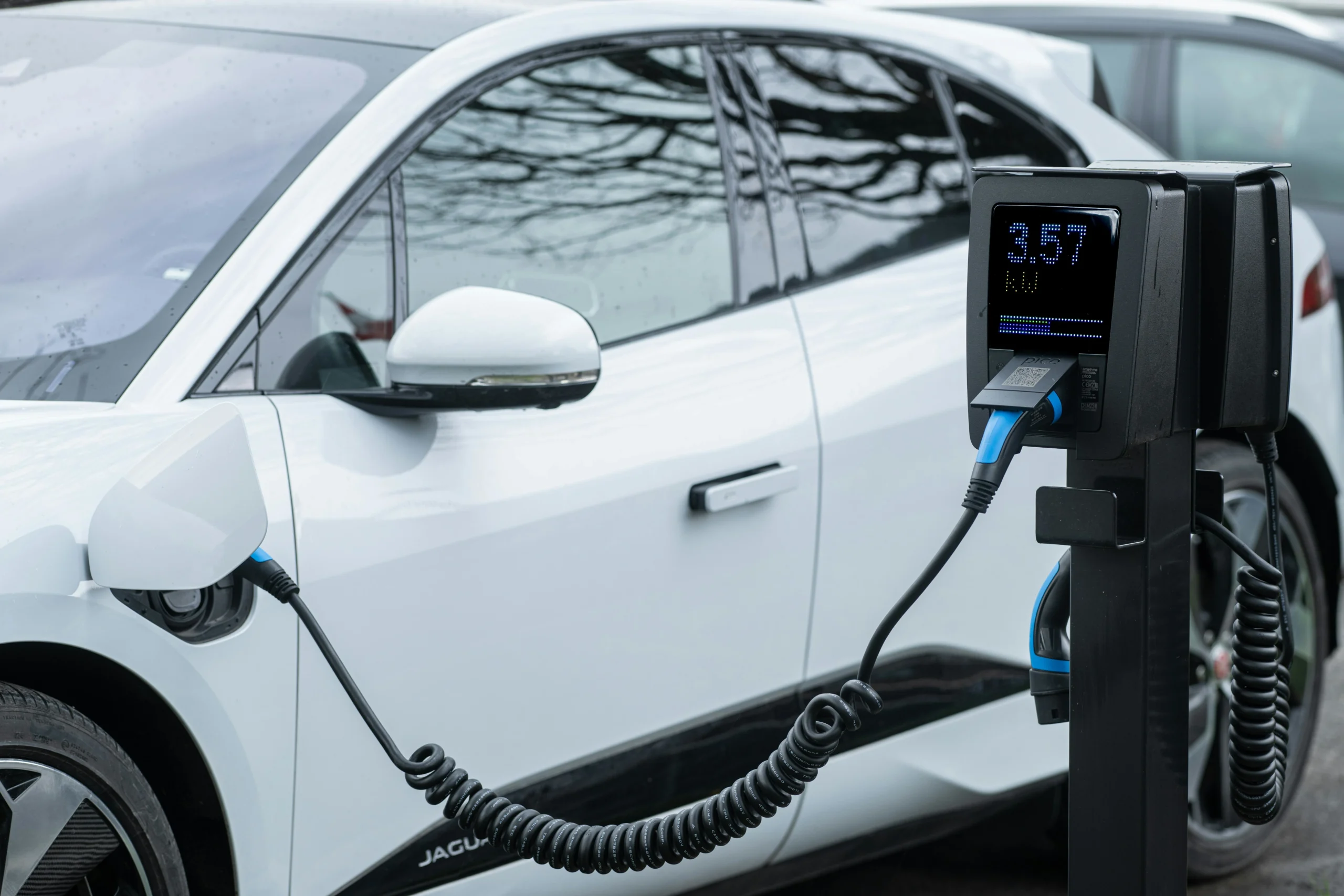
While a NEMA 14-30 outlet can work for occasional EV charging, there are better alternatives for daily use. This includes:
A. NEMA 14-50 outlet
If you’re looking for faster charging and a safer, more reliable setup, the NEMA 14-50 is usually the better choice. It is rated for 50 amps and handles continuous EV charging loads much better.
B. Hardwired EV Charger
A hardwired EV charger is a great alternative if you want the safest and most reliable solution.
These chargers are installed directly into your electrical system, eliminating the need for an outlet altogether. Also, they’re built for continuous use and won’t wear out over time.
In short, here are the alternatives to using a dryer outlet for EV charging:
| Option | Why It’s a Better Choice |
| NEMA 14-50 Outlet | Faster charging and better suited for continuous loads |
| Hardwired EV Charger | Best for long-term use with no wear and tear from plug connections |
No More $10k Electrical Panel Upgrade to Charge Your EV at Home
simpleSwitch lets you add a Level 2 EV charger to your home without an expensive electrical panel upgrade. Your EV charges safety without panel overload.
- 30-day risk-free returns
- NEMA-rated
- Works with your existing panel
Final words
As you can see, using a NEMA 14-30 outlet, or dryer outlet, for EV charging is possible. But it’s not the best long-term solution.
While it might work for occasional use or if you’re in a pinch, it’s not the ideal charging method for daily use.
So, if you decide to move forward with a NEMA 14-30 setup, make sure the installation is done professionally, and monitor the outlet for any potential issues.
Also, you might want to use an EV energy management system to make sure your EV charger draws power safely without overloading your home’s electrical panel.
Got more questions or want to install an EVEMS?
You can get in touch with us!
At simpleSwitch Io, we bring award-winning smart energy load management systems to help you charge your EV at home without expensive electrical panel upgrades. Our load management systems are UL-listed and proudly made in the USA.
Frequently asked questions
Can I use my existing NEMA 14-30 dryer outlet to charge my EV?
Yes, you can use your existing NEMA 14-30 outlet to charge your EV, but there are some important conditions.
The outlet must be installed correctly and rated for continuous use.
Residential NEMA 14-30 outlets are typically intended for appliances like dryers, which don’t require constant high power for hours.
So, to safely charge your EV, it’s essential that the outlet is on a dedicated circuit and can handle the long-term load.
Also, do consult a licensed electrician to ensure everything is set up properly.
How fast will my EV charge with a NEMA 14-30 outlet?
A dryer outlet delivers around 7.2 kW of power to your EV, which translates to about 20-25 miles of range per hour of charging.
This can be fine if you’re just topping off your battery overnight or charging while you’re at home for a long time.
However, if you need to charge quickly or drive long distances daily, it’s slower than a NEMA 14-50 outlet, which can deliver more power and charge your EV faster.
Is it safe to use a dryer for EV charging?
Yes, a NEMA 14-30 dryer outlet for EV charging is safe. But there are a few things to keep in mind.
First, ensure the outlet is on a dedicated circuit, meaning no other heavy appliances (like dryers or stoves) should share the power.
Also, it’s crucial to use high-quality wiring and have a professional installation that complies with safety standards.
Is a NEMA 14-50 outlet better for EV charging?
Yes, a NEMA 14-50 outlet is generally a better option for EV charging. It provides more power (up to 12 kW) compared to the NEMA 14-30’s 7.2 kW, so it charges your EV faster.
Also, it is built to handle continuous loads, which is ideal for the long periods your car will be plugged in.
While NEMA 14-30 outlet does work, the 14-50 outlet is more reliable and better suited for regular, high-power use.