If you’ve recently switched to an electric car, there’s one question that comes up pretty quickly: What is the best time to charge EV at home?
And it’s a very important question.
That’s because when you charge your EV doesn’t just affect your electricity bill. It also impacts how efficiently your car charges, how much stress you put on the grid, and even how convenient your daily routine feels.
Now, the best time to charge your EV at home is usually during off-peak hours, typically late at night or early in the morning.
But, it’s not always that simple.
You see, depending on your electricity plan, your daily routine, and whether you have solar panels, the best EV charging time can look a little different.
In this blog, I’ll break it all down. You’ll know:
- Why charging time is so important
- What off-peak charging hours mean
- The best times to charge EV at home for cost and efficiency
- Whether or not you should charge your EV every night
- Smart ways to schedule your charging
So, let’s get started.
Key takeaways
- The best time to charge EV at home is usually during off-peak hours
- Off-peak charging hours are late night (10 PM to 6 AM)
- Charging during peak hours can cost 2-3 times more
- Smart scheduling helps reduce electricity bills significantly
- Charging habits matter for both cost and battery health
Why is EV charging time so important?
At first, EV charging time doesn’t feel like something you need to think about. You come home, plug in your car, and let it charge; it’s that simple.
But here’s the catch.
Electricity isn’t priced the same all day. The cost goes up and down depending on how much demand there is at that time.
So when more people are using electricity, like in the evening, EV charging becomes more expensive. And when demand drops, usually during off peak charging hours, it becomes cheaper.
Now, this might not seem like a big deal at first. But over time, the cost to charge EV at home adds up.
In fact, charging at the wrong time can cost significantly more than charging at the right time.

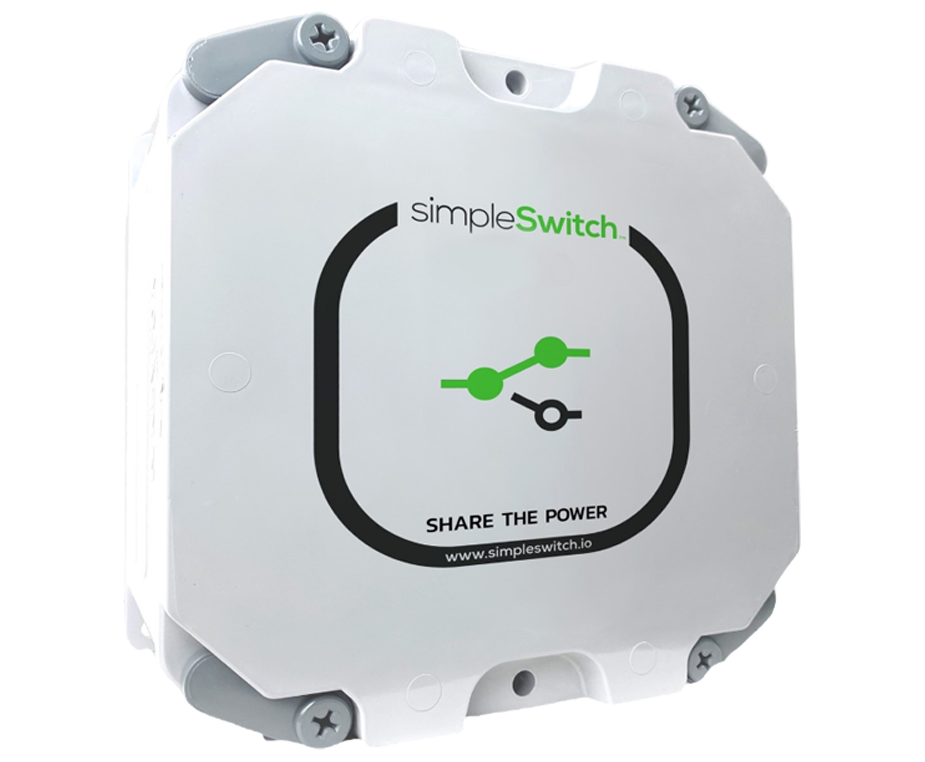
No More $10k Electrical Panel Upgrade to Charge Your EV at Home
simpleSwitch lets you add a Level 2 EV charger to your home without an expensive electrical panel upgrade. Your EV charges safety without panel overload.
 30-day risk-free returns
- NEMA-rated
- Works with your existing panel
What are off peak charging hours?
Now let’s talk about something you’ll hear quite often when it comes to EV charging, i.e., off peak charging hours.
In simple terms, these are the times of the day when electricity demand is low. Think about late at night or early in the morning.
During this time, most people are asleep, lights are off in homes, and heavy appliances aren’t running as much. So naturally, the overall demand on the power grid drops.
And when demand drops, electricity becomes cheaper.
That’s all what off peak charging hours are about.
For most homes, this window usually falls somewhere between 10 PM and 6 AM. So if you’re wondering when is the best time to charge EV at home, this is it.
Charging during these hours helps you save money while also putting less stress on the grid.
Here’s how off peak charging hours affect EV charging cost:
| Time | Grid Demand | Cost | Ideal for Charging? |
| 10 PM-6 AM | Low | Cheapest | Yes |
| 6 AM-2 PM | Moderate | Medium | Okay |
| 2 PM-9 PM | High | Expensive | Avoid |
| 9 PM-Midnight | Decreasing | Moderate | Good |
So, what is the best time to charge EV at home?
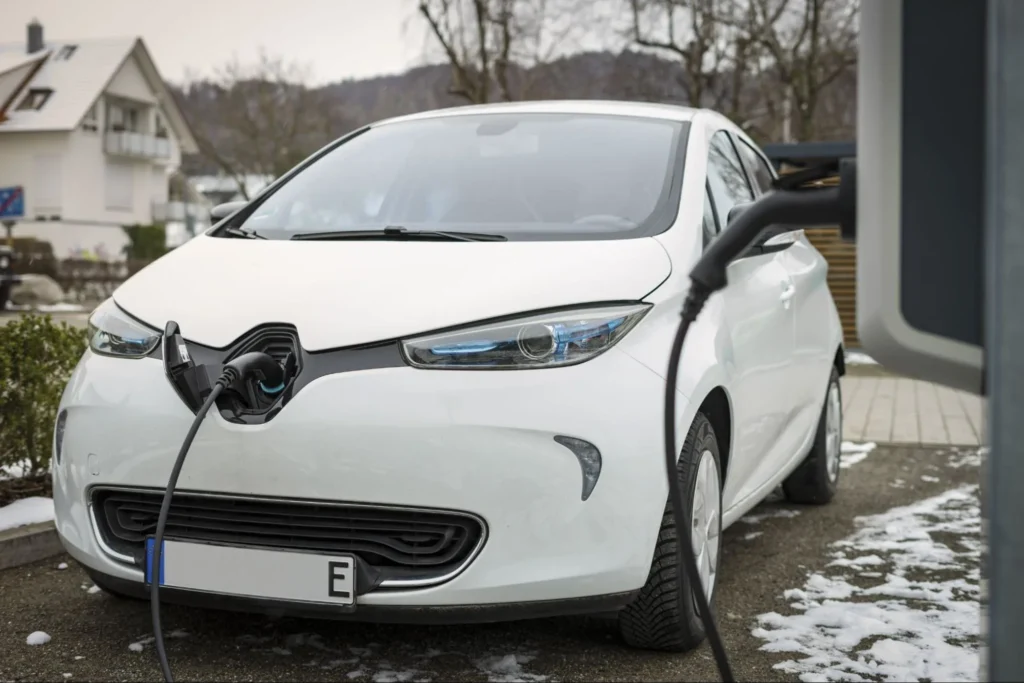
If your goal is to save money and charge your car efficiently, the best time to charge EV at home is usually overnight.
We’re talking about late evening to early morning, roughly after 9 or 10 PM.
Why this time, you might ask?
Well, because that’s when electricity demand is at its lowest. Fewer people are using power, which means rates are cheaper and the grid isn’t under much pressure.
Also, it makes things easier for you.
You plug in your car at night, go to sleep, and by the time you wake up, it’s ready to go.
No extra effort, no waiting around. In fact, chances are you might not even need EV charging load balancing systems because most of your household appliances are not in use.
Why is night a better EV charging time?
Charging your EV at night is not just a random suggestion. There are very practical reasons behind it.
And once you understand them, it becomes clear why overnight charging works so well for most EV owners.
Let me break it down.
1. Lower electricity costs
Electricity is usually cheaper at night because overall demand is low. Utility companies lower prices during these hours to balance the load on the grid.
So when you charge overnight, you’re automatically paying about 30-50% less for the same amount of energy.
Over time, this can make a noticeable difference in your monthly bill.
2. Less stress on the power grid
During the day, especially in the evening, electricity usage is at its peak. That’s because lights, ACs, and kitchen appliances are likely all at once in your home.
And if you add EV charging to that, it increases the load even more.
Yes, you can still charge your EV using an EV power management device to help balance the overall electrical load and prevent unnecessary strain on your system.
But, charging at night avoids this problem completely, since demand is already low.
3. More consistent charging
At night, everything is quieter in terms of electricity usage. Fewer devices are running, which means there are fewer fluctuations in power demand.
This allows your EV to charge in a more stable and consistent way.
It might not seem like a big deal. But in the long-run, it helps create a smoother charging experience.
4. It fits naturally into your routine
This is what most people like the most. Your car is already parked at home overnight, so charging fits in without any extra effort.
You plug it in before going to bed, and by morning, it’s ready to go.
In short, here’s why night is a better EV charging time:
| Reason | Details |
| Lower electricity costs | Off-peak rates save 30-50% compared to peak times |
| Less grid stress | Nighttime demand is lower, reducing pressure on the grid |
| Consistent charging | Fewer appliance fluctuations lead to stable charging |
| Fits your routine | Car is already parked overnight; plug in and forget |
When should you avoid charging your EV?
Now that we’ve talked about the best electric car charging time, let’s quickly look at the other side of it.
You see, there are certain hours when charging your EV is simply not ideal. And that’s during the peak demand time.
This usually falls between 4 PM and 9 PM, when electricity demand is at its highest.
Think about it. This is the time when people get home, turn on lights, run air conditioners, and start cooking.
Almost everything is running at once. And because of that, electricity becomes more expensive, and the grid is under more pressure.
If you charge your EV during this window, you’ll likely end up paying more without any real benefit.
So if you can, it’s best to avoid charging during these hours.
Is night always the best time to charge your EV at home?
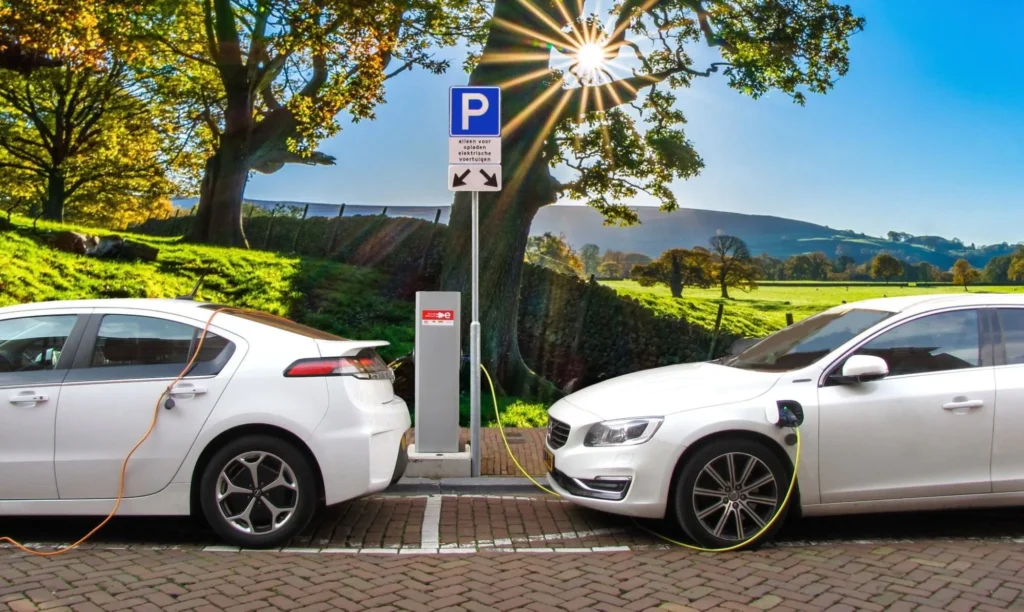
While night charging works for most people, it’s not the perfect answer for everyone.
Your electricity plan, home setup, and daily routine can change what’s the best time to charge EV at home.
Let’s look at a few situations where your ideal EV charging time can be different.
1. If you have solar panels
If your home has solar panels, things work differently. You’re generating your own electricity during the day, especially when the sun is strongest.
So instead of charging at night, it might make more sense to charge during the day.
2. If your utility offers mid-day discounts
In some areas, electricity is cheaper during mid-day hours.
This usually happens because there’s a lot of solar energy being generated and fed into the grid. So utilities lower prices to encourage usage.
If you’re home during the day, charging between late morning and early afternoon can be a smart option.
3. If you’re on a flat-rate plan
Not everyone has time-based pricing. Some homes are on flat-rate electricity plans, where the cost stays the same throughout the day.
In that case, timing doesn’t really affect how much you pay.
So the best time to charge your EV simply comes down to what’s most convenient for your daily routine.
In short, here’s when night isn’t always the best time to charge EV at home:
| Situation | Best Charging Time |
| Solar panels at home | Daytime when solar energy is generated |
| Mid-day utility discounts | 10 AM-2 PM |
| Flat-rate electricity plan | Anytime is convenient |
Should I charge my electric car every night?
You can charge your EV every night, but you don’t always need to.
Here’s the thing: EV batteries aren’t like fuel tanks. And you don’t have to fill them all the way up.
In fact, your battery will actually perform better with smaller, regular top-ups rather than full charges all the time.
That’s why EV charging best practices suggest keeping your battery level between 20% and 80% for daily use.
So, if your EV battery is already near 80%, a smarter approach is to skip charging for that night and wait for the battery to discharge a little.
Bonus: Here’s how to schedule EV charging the smart way
So far, you’ve seen that timing really matters when it comes to charging your EV.
But then, you don’t have to babysit your car every night, as most modern EVs and Level 2 chargers come with scheduled charging features.
This means you can plug in anytime, set a schedule, and let your car handle the rest. The system will automatically start charging during off-peak hours and stop when it’s done.
For instance, you could plug in at 7 PM, have charging start at 11 PM, and finish by 5 AM.
With this setup, you’re always charging at the cheapest time, saving money, and keeping your routine hassle-free.
Sounds awesome, doesn’t it?
No More $10k Electrical Panel Upgrade to Charge Your EV at Home
simpleSwitch lets you add a Level 2 EV charger to your home without an expensive electrical panel upgrade. Your EV charges safety without panel overload.
- 30-day risk-free returns
- NEMA-rated
- Works with your existing panel
Final words
I am sure that by now, you have a good idea about what is the best time to charge EV at home.
The simplest way to go about it is this: Charge when electricity demand is low, not when it’s high.
For most people, that usually means late at night or early in the morning. These are off peak charging hours when rates are cheaper and the grid isn’t stressed.
That said, the best time to charge isn’t the same for everyone. It depends on your home setup, your electricity plan, whether you have solar panels, and even your daily routine.
Got more questions or want to install an EV energy management system to prevent electrical panel overloads while charging EV at home?
You can get in touch with us!
At simpleSwitch Io, bring top-of-the-line EV load management systems designed to prevent expensive electrical panel upgrades for home EV charging. Our EVEMS is UL-listed and proudly made in the USA.
FAQs about the best time to charge EV at home
What is the best time to charge EV at home?
The best time is usually during off-peak hours, typically between 10 PM and 6 AM when electricity rates are lowest.
Can I charge my EV during the day?
Yes, you can. But it might cost more unless:
- You have solar panels
- Your utility offers mid-day off-peak rates
Should I charge my EV every night?
You can, but it’s not always necessary.
Regular charging to 20-80% is better than fully topping up the battery every night.
Does charging time affect EV charging time?
Not directly.
Charging speed depends on your charger, but timing affects cost and efficiency, not speed.
What are off peak charging hours?
Off peak charging hours are times when electricity demand is low, usually late night to early morning, and electricity is cheaper.