For over 20 years, EV tax credits were one of the biggest incentives for people to choose an electric car over gas cars. That’s because you could save up-to $7500 in federal tax credits, and that alone helped offset a major part of your upfront investment.
But among all things that the One Big Beautiful Bill changed, it also ended the federal EV tax credits for all EVs bought after September 30, 2025. And this has suddenly made both new and old EVs less affordable.
Now, this doesn’t mean there are no EV tax credits in 2026. You can still get a state EV rebate, a utility incentive, a manufacturer discount, or other benefits for buying an EV.
In this blog, I have explained which EV credits and rebates are available as of today and what is no longer available. Also, I have shared things that I would check if I were buying an EV today.
So, let’s get started.
Key takeaways
- The federal $7,500 new EV tax credit is no longer available for vehicles purchased after September 30, 2025.
- The federal used EV tax credit is also no longer available for vehicles purchased after September 30, 2025.
- The federal EV charger tax credit had a separate deadline of June 30, 2026.
- Some states still offer EV rebates and other electric vehicle incentives in 2026.
- Utilities and manufacturers may also offer EV or EV charger incentives.
- Qualifying EV buyers can still deduct up-to $10,000 of car loan interest.
- The incentives available to you depend on where you live, what you buy, and when you buy it.
Is there an EV tax credit in 2026?
No, at-least not the way there was until last year.
If you buy a new EV today, you cannot claim the federal $7,500 New Clean Vehicle Credit anymore.
Also, the Previously-Owned Clean Vehicle Credit, which provided up-to $4,000 for an eligible used EV, is no longer available for vehicles bought after September 30, 2025.
Not to mention, the September 30, 2025 cutoff applies to the federal Qualified Commercial Clean Vehicle Credit as well. This tax credit offered businesses and tax-exempt organizations up-to $40,000 for purchasing or leasing eligible commercial EVs.

No More $10k Electrical Panel Upgrade to Charge Your EV at Home
simpleSwitch lets you add a Level 2 EV charger to your home without an expensive electrical panel upgrade. Your EV charges safety without panel overload.
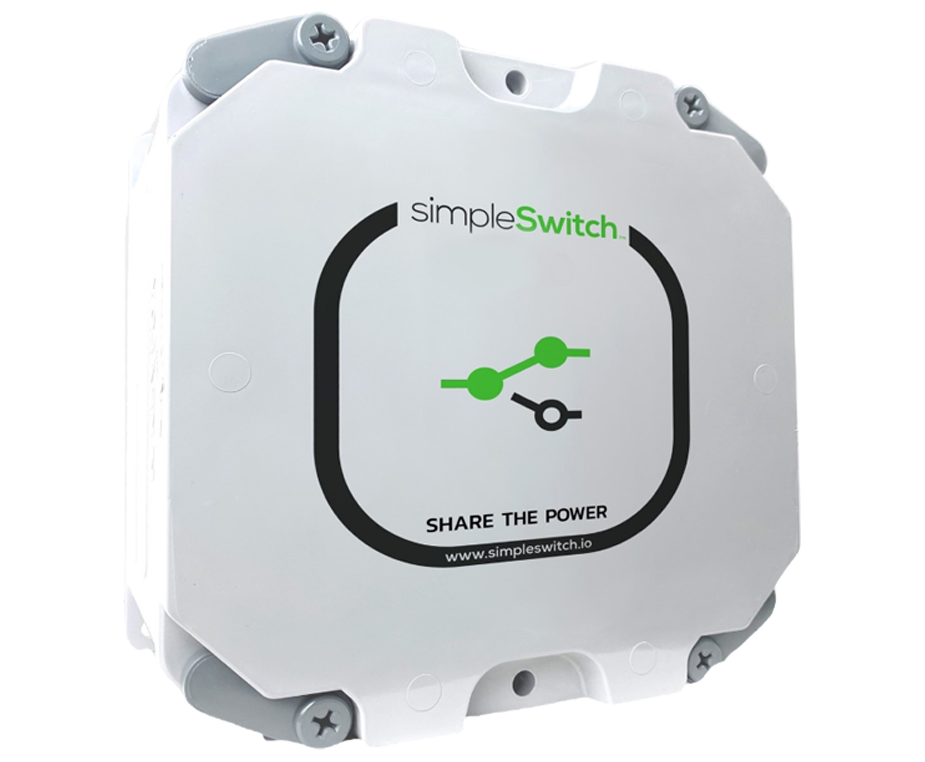
 30-day risk-free returns
- NEMA-rated
- Works with your existing panel
Note: Beware of what you find online about EV tax credit in 2026
A lot of old articles you’ll find on the internet still mention the $7,500 federal tax credit. And this can create a misconception that you can claim these credits today.
But the IRS clearly says that these credits are not available for vehicles acquired after September 30, 2025.
Yes, there are transition rules for vehicles acquired on or before that date. So, if you bought an EV on September 30, 2025 or before it, you might still have a credit to claim.
Overall, here’s how the EV tax credit scene looks like in 2026:
| Federal EV incentive | 2026 status |
| New EV tax credit of up-to $7,500 | No longer available for vehicles acquired after Sept. 30, 2025 |
| Used EV tax credit of up-to $4,000 | No longer available for vehicles acquired after Sept. 30, 2025 |
| Commercial clean vehicle credit | No longer available for vehicles acquired after Sept. 30, 2025 |
| Car loan interest deduction | Available for qualifying vehicles |
Pro tip: The fact that federal EV tax credits are no longer available doesn’t mean you should give up on your EV plans. It is still worth buying an EV in 2026. There are other federal, state, and local incentives that can reduce the overall cost of buying and charging an EV. We will talk about them later in the blog.
What happened to the $7,500 EV tax credit?
The $7,500 federal EV tax credit was part of the New Clean Vehicle Credit.
For qualifying new EVs, this credit was worth up-to $7,500. And it significantly reduced the upfront cost of buying an EV.
But this changed after the One Big Beautiful Bill became operational. Under the new law, the federal New Clean Vehicle Credit is no longer available for vehicles acquired after September 30, 2025.
The IRS also confirmed that the previously-owned clean vehicle credit ended for used EVs acquired after the same date.
What happened to the federal EV charger tax credit?
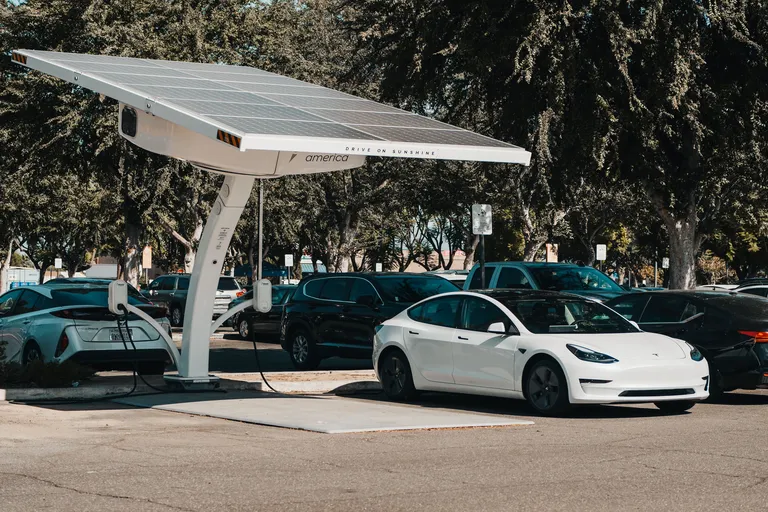
The federal tax credit for installing an EV charger was separate from the federal tax credit for buying an EV.
This was called the Alternative Fuel Vehicle Refueling Property Credit, or more popularly the federal EV charger tax credit. Here, homeowners could receive a credit worth 30% of the cost of charging equipment and installation, up-to $1,000 for a residential property.
But there was an important requirement.
The charger had to be installed at your primary residence and the property had to be located in an eligible low-income or non-urban census tract. This credit could also cover certain costs directly related to installing the charger, including electrical work.
But the federal EV charger tax credit is also no longer available 2026
Yes, that’s right.
The One Big Beautiful Bill changed the expiration date for this credit from December 31, 2032, to June 30, 2026.
Meaning if you installed qualifying charging equipment and placed it in service on or before June 30, 2026, you can claim the credit on your tax return for that year. But, if you’re installing an EV charger now, you can’t claim this federal credit.
Overall, here’s what the federal tax credit for EV charger was all about:
| Question | Answer |
| What was the maximum residential credit? | up-to $1,000 |
| How much of the cost could be claimed? | 30% of qualifying costs |
| Were installation costs eligible? | Yes, qualifying installation costs were eligible |
| Was an eligible census tract required? | Yes |
| Is the credit available for new installations today? | No |
| What was the deadline for qualifying property? | June 30, 2026 |
Bonus: If you installed your charger before the deadline and believe you qualify, you can still claim an eligible credit for the year in which the charger was placed in service. You can do this by completing Form 8911 and filing it with your tax return. Keep your receipts and documentation for the charger and installation, just in case you need it.
What federal tax benefit can EV buyers still get in 2026?
Even though EV tax credits are no longer available, the new car-loan-interest deduction can help you deduct up-to $10,000 off interest per year on a new vehicle loan. This also includes qualifying EV.
However, this is not an EV-specific tax credit. It is a deduction that applies to qualifying new vehicles, including electric vehicles.
I have explained the eligibility requirements, income limits, vehicle requirements, and how this deduction works in more detail in my guide about tax breaks for buying a car in 2026.
So, if you’re interested in the loan-interest deduction, do read my article before making the final decision.
What electric vehicle rebates are still available in 2026?
Although the federal EV tax credits have ended, electric vehicle rebates in 2026 haven’t disappeared.
There are state-specific rebates and tax credits still available when you buy or lease an EV. Some of these are available to everyone who meets the vehicle requirements, while others are designed for low and moderate-income households.
For instance, Colorado still offers a state EV tax credit. Connecticut has its CHEAPR rebate program. Illinois continues to offer EV rebates. New Jersey, New York, Oregon and Pennsylvania also have programs available to qualifying buyers.
Here’s a quick look at some of the states and their EV rebates in 2026:
| State | Notable 2026 incentive |
| California | up-to $3,500 for an eligible new ZEV and $1,750 for an eligible used ZEV through MyFirstEV |
| Colorado | $750 state tax credit for qualifying light-duty EVs; vehicles under $35,000 MSRP may receive an additional $2,500 |
| Connecticut | $1,000 standard BEV rebate; qualifying low-income buyers can receive up-to $4,000 for a new BEV |
| Florida | No broad state EV purchase rebate; some utilities offer EV and charger incentives |
| Illinois | $2,000 EV rebate, plus an additional $2,000 for qualifying low-income applicants |
| Massachusetts | MOR-EV offers a $3,500 standard rebate for qualifying new light-duty BEVs/FCEVs |
| New Jersey | Drive Green Incentives up-to $1,500 for a new all-electric vehicle, or up-to $4,000 for income-qualified residents |
| New York | Drive Clean Rebate of $500–$2,000 depending on the vehicle |
| Oregon | up-to $2,000 standard EV rebate; qualifying low- and moderate-income buyers can receive up-to $7,500 |
| Pennsylvania | $3,000 EV rebate for a qualifying BEV, with an additional $1,000 available to eligible low-income applicants |
| Texas | up-to $2,500 for qualifying electric vehicles through the state light-duty alternative-fuel vehicle program, subject to program availability |
| Utah | Income-qualified EV Replacement Assistance Program can provide up-to $10,000 |
Note: These are not federal incentives, and not everyone in these states will qualify
For instance, Colorado’s $750 credit can receive an additional $2,500 for qualifying vehicles under the applicable MSRP threshold.
In Connecticut, the standard BEV rebate is $1,000, while qualifying residents can receive a combined $4,000 through the Rebate+ program for a new BEV.
Illinois currently offers a $2,000 rebate, with another $2,000 available for qualifying low-income applicants.
Oregon is an especially interesting example in 2026. Its current rebate window runs from August 25 through November 4, 2026, and qualifying low and moderate-income buyers can receive up-to $7,500 for a new BEV.
And in Utah, the EV Replacement Assistance Program can provide up-to $10,000 depending on household income, although you need to meet the program’s vehicle-replacement and other requirements.
Pro tip: State EV rebates can have income limits, vehicle price limits, funding caps, application windows, and other requirements. Always check the current state program before you buy the vehicle. The Department of Energy’s Alternative Fuels Data Center is a good place to start looking for current state and local incentives.
Are there EV charger rebates in 2026?
Yes, some states, cities and utility companies still offer incentives for installing an EV charger. These include:
- EV charger purchase rebates
- Installation rebates
- Electrical make-ready or pre-wiring incentives
- Smart-charging rebates
- Time-of-use electricity rates
- Utility programs that help reduce the cost of charging at home
For instance, New Jersey provides a state incentive of up-to $250 toward an eligible home EV charger. This can also be combined with utility incentives.
Are manufacturer and dealer EV incentives still available?
Yes.
And this is something I suggest you check before buying an EV.
Just because the federal EV tax credit has ended doesn’t mean you can’t get a good deal on an electric car.
Manufacturers and dealers still offer discounts, special financing, lease offers and other incentives. These offers change frequently, so the price you see today can change next month. But you should find great deals regardless.
Bonus: A large number of EVs that were leased between 2023 and 2025 are now starting to return to dealerships. This is increasing the supply of used EVs and creating more opportunities for buyers looking for a lower-cost electric car.
Bonus: If I am buying an EV in 2026, here’s what I will check
- The final vehicle price after dealer and manufacturer incentives
- Any state EV rebate I qualify for
- Local or utility incentives
- My financing rate and potential loan-interest deduction
- The cost of installing a home charger
- Whether my existing electrical panel can handle Level 2 charging
- My local electricity rates
- How much I expect to spend on charging over the life of the vehicle
No More $10k Electrical Panel Upgrade to Charge Your EV at Home
simpleSwitch lets you add a Level 2 EV charger to your home without an expensive electrical panel upgrade. Your EV charges safety without panel overload.
- 30-day risk-free returns
- NEMA-rated
- Works with your existing panel
To sum up
As you can see, there is still an EV tax credit in 2026, but not the way there was before.
The federal $7,500 new EV credit and $4,000 used EV credit are no longer available for vehicles bought after September 30, 2025.
The federal EV charger tax credit also ended for new EV charger installations after June 30, 2026.
But there are still ways you can save money. Depending on where you live, you can qualify for a state EV rebate, utility incentive or manufacturer discount. Also, you can benefit from the new car-loan-interest deduction.
Now, the biggest pain point of EV buyers is charging their EV at home. More specifically, the electrical panel upgrade their electrician says they need to install a Level 2 EV charger.
This upgrade alone can sometimes cost up-to $10,000.
But what if I told you this is not necessary in most homes?
Yes, that’s right!
With a load sharing device like simpleSwitch, you can safely share power from other high-power appliances in your home such as dryer, water heater, etc., to charge EV.
Sounds amazing, doesn’t it?
Now, if you need an EV load sharing device, you can get in touch with us.
At simpleSwitch, our load sharing devices are nationally renowned, UL-listed, and proudly made in the USA for top-notch quality.
FAQs about EV tax credits in 2026
Is there an EV tax credit in 2026?
The federal new-EV and used-EV tax credits are no longer available for vehicles acquired after September 30, 2025.
However, some states and utility companies still offer EV rebates and incentives, and qualifying buyers can deduct up-to $10,000 of new-car loan interest.
Is the $7,500 EV tax credit still available?
No.
The federal New Clean Vehicle Credit is no longer available for vehicles acquired after September 30, 2025.
Is there a federal EV charger tax credit in 2026?
The federal Alternative Fuel Vehicle Refueling Property Credit had a separate deadline.
In this case, qualifying property, or simply your EV charger, had to be installed before July 1, 2026 for the tax credits. So, if you’re installing a new home charger now, you cannot claim the former federal charger credit for that installation.
How do you claim the EV charger tax credit?
If you completed a qualifying installation before the June 30, 2026 deadline, you can claim the credit by completing IRS Form 8911 and filing it with your tax return.
I suggest you make sure you keep your purchase and installation records and check the IRS requirements before claiming the credit.
What states still offer electric vehicle rebates in 2026?
Several states still offer EV incentives, including California, Colorado, Connecticut, Illinois, Massachusetts, New Jersey, New York, Oregon, Pennsylvania, Texas and Utah.
However, eligibility, funding and application deadlines vary by state. Check out the state-wise incentive list above or search your state at the Department of Energy’s Alternative Fuels Data Center website.
Does the $10,000 car-loan-interest deduction apply to EVs?
Yes.
A qualifying new EV can qualify for the car-loan-interest deduction, provided it meets the IRS requirements.
The deduction can be worth up-to $10,000 of qualifying interest per year for tax years 2025 through 2028, if you meet income and vehicle requirements.