If you’re new to electric vehicles, I am sure you’ve heard about AC and DC EV chargers.
You might have wondered what’s the deal with these two charging systems and which one you should use for your EV.
And it isn’t just you, as this is the most common question among almost every new EV driver.
Now, even tough terms like AC and DC sound complicated, let me tell you they are much simpler than you think.
In this blog, I will break down AC vs DC EV charging in simple terms. You’ll know what these charging systems are, where they’re used, and when you should use them.
So, let’s get started.
Key takeaways
- AC charging is slower and best for home or long parking times.
- DC charging is much faster and best for quick top-ups on the go.
- AC chargers send power to the car, and the car converts it to charge the battery.
- DC chargers convert the power before it reaches the car, which saves time.
- Level 2 AC charging is enough for most daily driving needs.
- DC fast charging is ideal for road trips or when you’re in a hurry.
- You don’t need a DC fast charger at home.
AC vs DC EV charging: What’s the difference?
When it comes to charging your electric vehicle, there are two main types of charging you’ll come across:
- AC (Alternating Current)
- DC (Direct Current).
Both serve the same purpose, i.e., they charge your EV’s battery.
But they do so in different ways.
AC charging is the slower yet more common option, typically used for overnight or long-duration charging, while DC charging delivers power much faster, making it ideal for quick top-ups.
Let’s have a look at both charging types in detail.
What is AC charging?

AC (Alternating Current) EV charging is plugging your electric vehicle into a charger that uses alternating current.
Here, the power comes straight from the electrical grid, just like the electricity that powers your home.
But here’s the thing: Your EV can only store direct current (DC) in its battery.
So, before the power can be stored, the car needs to convert that AC into DC. This happens inside your vehicle using the onboard charger.
Now, since the car’s onboard charger has limits on how quickly it can process power, AC charging is slower compared to DC chargers.
Nevertheless, that’s totally fine for most everyday EV users who use a Level 2 EV charger as it will still fully charge your car in a few hours.

No More $10k Electrical Panel Upgrade to Charge Your EV at Home
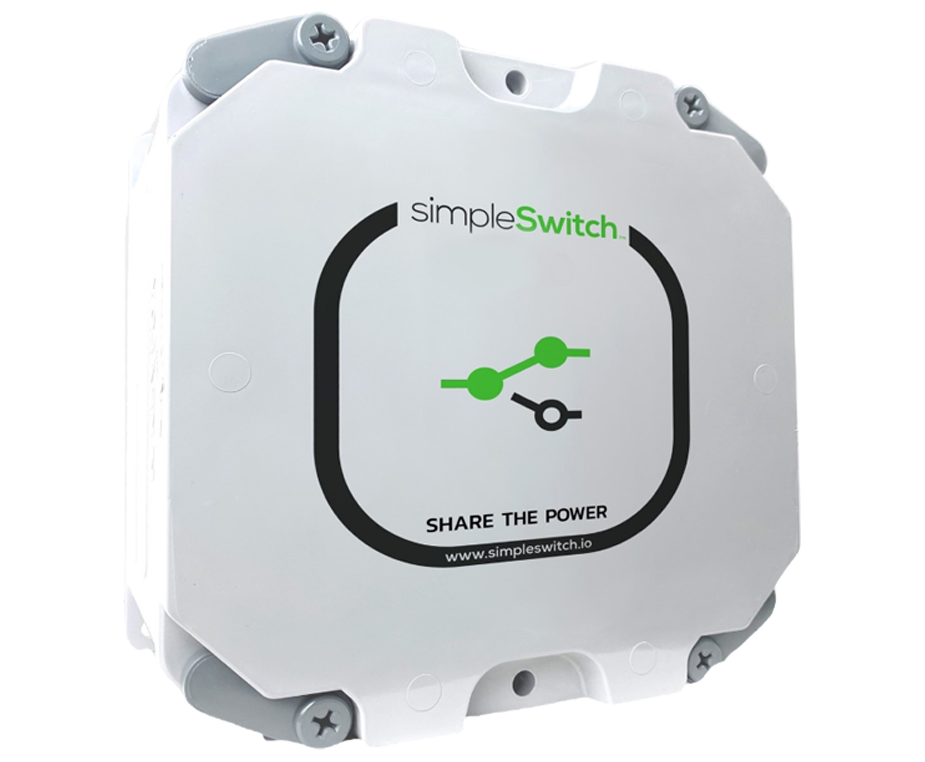
simpleSwitch lets you add a Level 2 EV charger to your home without an expensive electrical panel upgrade. Your EV charges safety without panel overload.
 30-day risk-free returns
- NEMA-rated
- Works with your existing panel
Where is AC charging used?
AC chargers are common in places where your car can sit for a while.
For instance, when you are charging your EV at home or at your workplace, you’re likely using an AC charger.
Also, you might find these chargers in such public parking lots where you can park your car for a few hours.
What is DC charging?

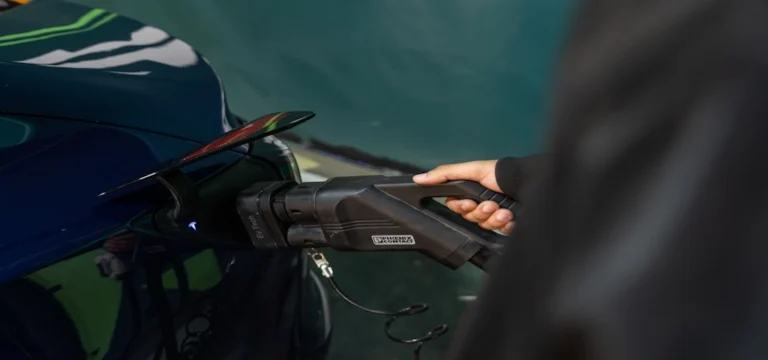
DC (Direct Current).EV charging works a little differently from AC. Here, instead of sending alternating current into your car and letting it convert it, DC chargers deliver direct current right from the start.
This means the EV connector itself does the work of converting the power from the grid into DC before it even reaches your car.
So, when the power hits your car, it goes straight into the battery without needing any extra conversion from your vehicle.
Now, since DC chargers don’t rely on the car’s onboard charger to do this conversion, they can send power much faster. This is why DC chargers are often called fast chargers or rapid chargers.
Where is DC charging used?
DC fast chargers are typically found in places where you need a quick charge while on the go.
You’ll find them at highway charging stations, public fast-charging hubs, roadside plazas, and even at some shopping centers.
These chargers are perfect when you need a quick top-up, like during a road trip or a busy day. That’s because they can fully charge your EV in as little as 20-40 minutes.
In short, here are all the differences between AC vs DC EV charging:
| Feature | AC Charging | DC Charging |
| Speed | Slower, ideal for overnight or long charges | Fast, designed for quick top-ups |
| Where Used | Home, work, public parking lots | Highway stations, fast-charging hubs, shopping centers |
| How Power is Delivered | The car converts AC into DC | The charger converts AC to DC before reaching the car |
| Best For | Long stays, when you don’t need to rush | Road trips, when you need a quick boost |
Why is the charging speed different on AC vs DC EV charger?

The main reason why AC vs DC EV charging speeds are different down to where the AC to DC conversion happens.
Let me break it down:
AC Charging
When you use AC charging, the power that comes from the electrical grid is alternating current. However, your EV can only use direct current to charge its battery.
So, the car itself has to convert the AC power into DC using a built-in onboard charger.
Now, the car’s onboard charger isn’t designed to handle huge amounts of power quickly. This is why AC charging takes longer.
DC Charging
With DC charging, the charger itself does all the heavy lifting. It converts the power from AC to DC before it even reaches your car.
So, by the time the electricity reaches your vehicle, it’s already in the right form, and the charger can deliver a lot more power at once.
This is what reduces the total time to charge your EV, making DC fast chargers perfect when you’re in a rush or need a quick top-up during a road trip.
In short, here’s why AC vs DC EV charging speed is different:
| Feature | AC Charging | DC Charging |
| Power Conversion | Car’s onboard charger converts AC to DC | Charger converts AC to DC before reaching the car |
| Speed | Slower due to onboard unit limitations | Faster, no bottleneck of onboard charger |
When to use AC vs DC charging for EV?

Both AC and DC EV chargers have their advantages. And it is likely that you’ll need to use both the chargers at some point.
Let’s look at the situations when you’ll need either of the chargers.
AC charging
1. Home charging
Most EV owners charge their cars at home using a Level 2 AC charger overnight. It is super convenient, inexpensive, and works great for daily driving needs.
Your car gets a full charge while you sleep, and you wake up ready to go. This is as easy as plugging in your phone, and you can go about your day with minimal effort.
In fact, even if your home’s electrical panel is limited, AC charging is still possible with a load sharing device like simpleSwitch.
2. Workplace charging
If your workplace has an EV charging station, it will most likely have an AC charger.
And it is excellent to charge your EV on a daily basis. Your car has plenty of time to charge while you are working.
3. Shopping or errands
If you’re out shopping or running errands and your car is parked for a couple of hours, an AC Level 2 charger can give your car a solid boost in range.
Although you don’t need a full charge in a few hours, AC charging will top up your battery enough to keep you going.
It is perfect when you’re not in a rush and just need that little bit of extra power while you shop or grab lunch.
DC charging
1. On a road trip
When you’re on a road trip, DC charging is your best bet.
Why?
You need a lot of range quickly, especially between long drives or on highways with fewer charging options. And DC chargers can do so in just 20-40 minutes, bringing you back on the road in no time.
2. When you’re in a rush
Sometimes, you just don’t have hours to spare, and that’s where DC fast charging works wonders.
They’re perfect when you’re on a tight schedule and need a quick range boost, like during lunch breaks or short stops while traveling.
3. At fast-charging hubs
DC chargers are common at fast-charging hubs, especially along major highways or popular travel routes. These charging stations are designed for quick pit stops and can give your car a serious power boost in minutes.
You’ll find them in convenient spots like shopping plazas or gas stations along highways, so you can refuel your car while you take a break.
In short, here’s when to use AC vs DC EV charging:
| Use Case | AC Charging | DC Charging |
| Home Charging | Ideal for overnight charging | Not necessary at home |
| Workplace Charging | Great for a full workday charge | Unnecessary unless you’re in a rush |
| Road Trip | Use AC if you have time for a long charge | Use DC for quick top-ups between destinations |
| Errands | Perfect for a few hours of parking | Not needed unless you’re short on time |
No More $10k Electrical Panel Upgrade to Charge Your EV at Home
simpleSwitch lets you add a Level 2 EV charger to your home without an expensive electrical panel upgrade. Your EV charges safety without panel overload.
- 30-day risk-free returns
- NEMA-rated
- Works with your existing panel
Bonus: Here are some myths about AC and DC charging
| Myth | The Truth |
| DC charging damages the battery | DC charging doesn’t affect battery life as your EV is designed to handle such charging safely |
| You need DC charging at home | AC Level 2 chargers are enough for home use |
| AC charging is too slow | AC charging works perfectly for overnight or long charges |
Conclusion
By now, I am sure you know all the differences between ac vs dc charging for EV.
You see, AC charging is perfect for home, work, and everyday use. It is the go-to option for situations where you don’t need a fast charge, like charging overnight, during work hours, or while you’re running errands.
DC charging, on the other hand, is designed for those moments when you need fast, quick power on the go. So, whether you’re on a road trip or just need a quick boost during a busy day, DC chargers are the perfect solution.
Got more questions or want to install an EV energy management system for your EV charger.
You can get in touch with us!
At simpleSwitch, we offer the top-rated EV load management systems designed for both homes and light commercial settings. Our EV load management systems are UL-listed and made in the USA.
FAQs about AC vs DC charging for EV
What’s the main difference between AC and DC EV charging?
The main difference is how the power gets to the battery.
AC charging sends alternating current into the car, and the car converts it to direct current using its onboard charger.
DC charging skips that step and sends direct current straight to the battery from the station, which makes it much faster.
Is AC charging slow?
AC charging is slower than DC fast charging, but it is not too slow for everyday use. Most drivers plug in at home overnight with a Level 2 AC charger and wake up with a fully charged battery.
Do I need DC fast charging at home?
No. DC chargers are expensive and require a lot of power.
Also, they are designed for public use when you need a quick top-up. For home and daily driving needs, Level 2 AC charging is usually all you need.
Can DC fast charging damage my battery?
Modern EVs are built to handle fast charging safely. Your car’s battery management system controls temperature and power to prevent damage.
How long does AC charging take compared to DC?
AC charging usually takes about 8 hours, on average to fully charge a battery, perfect for overnight. DC fast charging can add a large amount of range in 20-40 minutes, depending on the station and vehicle.
Can all EVs use both AC and DC charging?
Yes, most EVs support both AC and DC charging, but the EV connector types can vary.
Almost all non-Tesla vehicles use AC Level 2 chargers and DC fast chargers like CCS, while Tesla uses its own connector called NACS.