Thinking about buying an electric vehicle but you live in an apartment?
If yes, your biggest concern will be how to charge your EV at home?
After all, most EV charging discussions online seem to revolve around homeowners with private garages and dedicated charging setups. But then millions of EV owners today live in apartments, condos, and multifamily buildings.
The good news is that living in an apartment doesn’t automatically mean you can’t own an EV.
There are several options for multifamily EV charging. You can charge your car using your apartment’s EV charging station, workplace charging station, or public charger, among others.
Now, I am sure charging your EV while living in an apartment can feel a little overwhelming. Between charging levels, landlord approvals, and condo charging rules, it can feel like a lot to figure out.
That’s exactly why, in this blog, I have explained everything about EV charging for apartments, including:
- What is apartment EV charging
- Whether owning an EV is convenient while living in an apartment
- EV charging challenges in apartments
- Different apartment charging options
- And whether apartment charging is enough for daily driving
So, let’s get into it.
Key takeaways
- You do not need to own a house to own an EV
- Apartment residents have several charging options available
- Level 2 charging is the most practical solution
- Many apartments now offer dedicated EV charging stations
- Condo owners and renters might need approval before installing chargers
What is apartment EV charging?

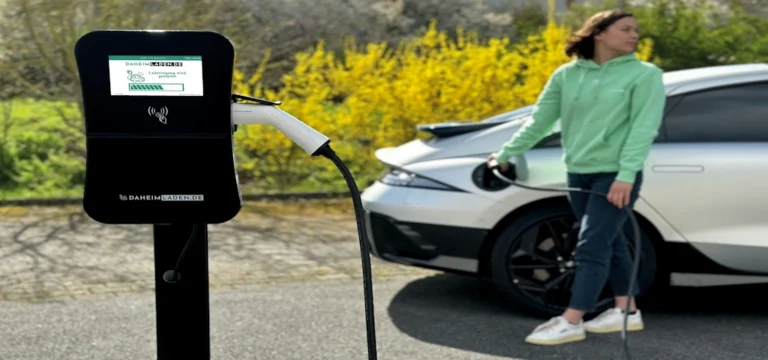
For starters, apartment EV charging simply means charging an electric vehicle while living in an apartment, condo, or multifamily residential building.
You see, unlike single-family homes that have an EV charger inside their garage, apartment residents have to navigate shared parking, common EV charging infrastructure, and HOA policies. As a result, EV charging can be very different depending on where you live.
For instance, some apartments have either dedicated or shared EV charging stations available for residents. Also, others allow tenants to install an EV charger at assigned parking space.
But then in some cases, residents have to rely on public charging stations nearby. This is also why people assume EV ownership is practical only if you have a private garage.
But that’s no longer true. You now have more charging options than ever before as more apartments with electric vehicle charging stations become available.

No More $10k Electrical Panel Upgrade to Charge Your EV at Home
simpleSwitch lets you add a Level 2 EV charger to your home without an expensive electrical panel upgrade. Your EV charges safety without panel overload.

 30-day risk-free returns
- NEMA-rated
- Works with your existing panel
What is an apartment EV charging station?
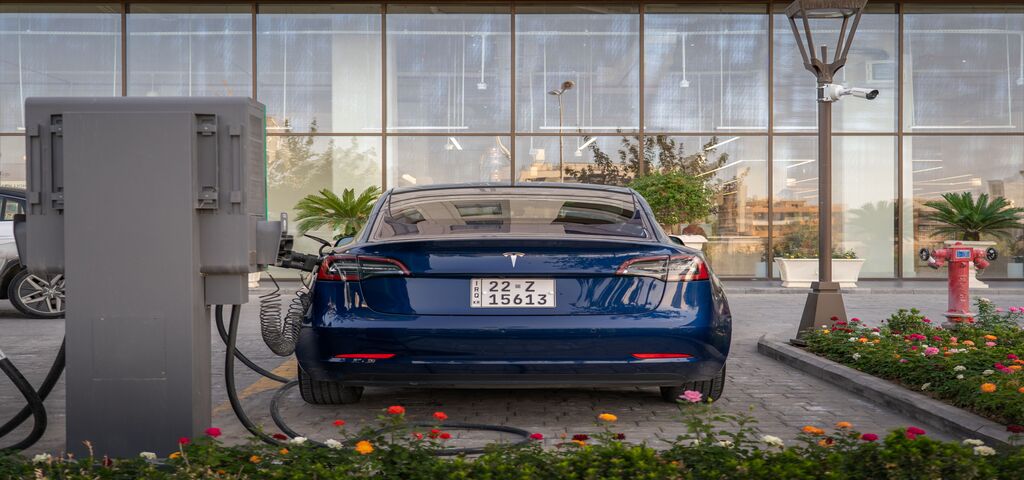
An apartment electric vehicle charging station is simply a charging station that apartment communities offer their residents as an on-site amenity.
These charging stations are shared among residents and operate on a first-come, first-served basis or through a reservation system.
For residents, this is one of the most convenient EV charging solutions because the infrastructure is already installed and maintained by the property. So all they’ve got to do is park, plug in, and charge.
Can you own an EV if you live in an apartment?

The short answer is yes.
In fact, many EV owners today live in apartments, condos, and other multifamily housing communities.
That said, your charging experience might be different compared to someone who owns a home.
You see, homeowners have complete control over their electrical setup. They can hire an electrician, install an EV charger, and get done.
Apartment residents don’t have that flexibility.
That’s because you might need permission from your landlord, property manager, or HOA before installing a charger. You might also have to get a permit for EV charger installation and work within the limitations of shared parking spaces.
But none of that means owning an EV is impossible.
Apartment residents charge their EVs every day using a combination of home, workplace, and public charging stations.
What are the challenges with apartment EV charging?
Charging an EV in an apartment is more complicated than charging one in a single-family home.
That’s because homeowners have a dedicated parking space and direct access to their electrical panel. Apartment residents often don’t have this.
Here are some of the biggest challenges you might face when charging EV in your apartment:
1. Shared parking spaces
Apartment communities have shared parking lots where residents don’t have permanently assigned spaces.
And in situations like these, installing a dedicated charger for one resident can be difficult because the parking space may not always belong to the same person.
In fact, even when assigned parking is available, the parking spot might not be close enough to the building’s electrical panel to support charger installation.
2. Limited electrical capacity
Another challenge is electrical capacity.
A lot of apartment buildings were designed long before EVs became popular. And these buildings’ electrical systems weren’t built to support dozens of residents charging vehicles at the same time.
Thankfully, with energy load sharing devices like simpleSwitch, it is now possible to charge EV using your apartment’s spare electrical capacity.
3. Landlord or HOA approval
If you’re renting an apartment, you might not be allowed to install an EV charger without approval.
This also goes for condo owners who need permission from their homeowners association before installing EV chargers in shared parking areas.
Now, the approval process varies depending on the property and local laws. For instance, as per law in Oregon, HOA is required by law to approve an application for EV charger installation within 60 days.
4. Upfront installation costs
Installing a charger in an apartment parking area can sometimes cost more than a typical home installation.
Why?
That’s because the charger likely needs to be connected to electrical equipment located farther away from the parking space. This calls for additional wiring, trenching, permitting, and electrical upgrades, increasing the total installation costs.
5. Access to charging equipment
Not every apartment community currently offers EV charging.
While apartments with electric vehicle charging are becoming more common, many properties are still catching up.
So it is possible that you might need to explore alternative charging options until dedicated charging infrastructure becomes available.
The good news is that for most apartment residents, finding a workable charging setup is much easier than they initially expect.
Bonus: Here’s how you can overcome apartment EV charging challenges
| Challenge | Possible solution |
| No charger on-site | You can use nearby public or workplace charging |
| Shared charger availability | You can charge during off-peak hours |
| Limited electrical capacity | You can use an energy load sharing device |
| Landlord approval concerns | You can discuss installation options with property management |
| High installation costs | You can consider shared charger installation and EV charger incentive programs |
Here are some apartment EV charging solutions you should know about

Apartment EV charging is never a one-size-fits-all situation. What works for one resident might not work for another.
That’s why it’s important you understand the different EV charging solutions for apartments available today.
Here are some of the most common charging solutions you should know about:
1. Dedicated resident chargers
This is often considered the gold standard for apartment charging.
With this setup, a charger is installed near a resident’s assigned parking space and is used exclusively by that resident.
This is very similar to home charging. You park your vehicle, plug it in overnight, and wake up with a charged battery the next morning.
2. Shared charging stations
A lot of apartment communities install shared EV charging stations instead of dedicated chargers. Here, multiple residents use the same charging stations.
This allows property owners to serve more EV drivers while keeping installation costs manageable.
Shared charging works very well when there are enough chargers available and residents follow charging etiquette.
3. Smart charging systems
Smart charging is quickly becoming one of the most important apartment charging solutions.
You see, one of the biggest challenges for apartment buildings is managing electrical capacity. If dozens of EVs start charging at full power simultaneously, the building’s electrical system can become overloaded.
That’s where smart EV chargers come in handy.
These systems automatically manage power distribution across multiple chargers, helping buildings support more EVs without requiring major electrical upgrades.
4. Load-managed charging solutions
This is another EV charging solution that has gained popularity in recent years.
Here, instead of upgrading the entire electrical service, energy load management devices distribute available power between multiple chargers.
For property owners, this can significantly reduce infrastructure costs. Also, it helps make EV charging available to more residents within the same building.
Apartments with electric vehicle charging: what should you look for?
If you’re apartment hunting and already own an EV, or plan to buy one soon, it’s worth checking out your EV charging options before signing a lease.
After all, charging convenience can have a major impact on your overall experience living in an apartment.
Here are a few things you should look for:
1. On-site EV charging stations
This is the first thing to check.
Ask the property owner or realtor whether the property already has EV charging stations available for residents.
If they do, find out:
- How many chargers are available
- Whether chargers are shared or reserved
- How charging fees are handled
- Whether residents can reserve charging times
2. Assigned parking spaces
Assigned parking can make future charger installation much easier for you.
That’s because if you have a dedicated space, you can install a charger near your vehicle. This will reduce charger installation costs and hassles.
3. Future charging plans
Even if the property doesn’t currently offer EV charging, it might have plans to add charging infrastructure.
Many apartment communities are actively working on EV charging projects due to increasing resident demand. So you should ask the management whether upgrades are planned.
4. Nearby public charging
Not every apartment community has charging stations. And in these situations, nearby public charging can be an important factor.
So, do take a look at charging options near:
- Your apartment
- Your workplace
- Grocery stores
- Shopping centers
- Frequently visited locations
Having convenient charging nearby can make your everyday EV charging much easier.
5. Electrical readiness
Some newer buildings are designed with EV charging expansion in mind. Here, even if chargers aren’t currently installed, the electrical infrastructure might already be prepared for future installations.
This can be a positive sign if you’re planning to stay in the community long term.
Bonus: Apartment and condo EV charging is different, here’s how
| Feature | Apartment EV Charging | Condo EV Charging |
| Property ownership | Resident typically rents | Resident typically owns unit |
| Charger approval | Requires landlord approval | Requires HOA approval |
| Parking arrangements | Shared or assigned parking | Mostly assigned parking |
| Installation flexibility | Depends on property policies | Depends on HOA policies |
| Charging infrastructure | Varies by property | Often easier to expand in assigned spaces |
| Long-term control | More limited | Generally more owner involvement |
Are apartment EV chargers safe?
Yes, they are.
Modern EV charging equipment is designed with multiple safety features to protect both the vehicle and the electrical system.
In fact, today’s charging stations include several built-in protections, such as:
- Overcurrent protection
- Ground fault protection
- Overheating protection
- Surge protection
- Automatic shutdown features
So, as long as charging equipment is properly installed and maintained, apartment EV charging is generally very safe.
Here are a few EV charging safety tips you can follow:
| Safety tip | Why it matters |
| Use certified charging equipment | Improves charging safety |
| Avoid damaged charging cables | Reduces electrical risks |
| Follow property charging policies | Helps prevent misuse |
| Keep charging equipment dry | Protects equipment and users |
| Report damaged chargers promptly | Helps maintain safe operation |
No More $10k Electrical Panel Upgrade to Charge Your EV at Home
simpleSwitch lets you add a Level 2 EV charger to your home without an expensive electrical panel upgrade. Your EV charges safety without panel overload.
- 30-day risk-free returns
- NEMA-rated
- Works with your existing panel
Final words
I am sure that, by now, you have a clear idea of how apartment EV charging works and what options are available if you live in an apartment.
And as you can see, living in an apartment doesn’t mean you can’t own an EV.
Many EV owners living in apartments charge their vehicles everyday using a combination of apartment charging stations, dedicated chargers, workplace charging, and public charging stations.
Also, apartment EV charging is becoming more accessible every year. From dedicated resident chargers and shared charging stations to smart load-managed systems and EV-ready parking spaces, apartment communities are adapting to support the growing number of EVs.
Got more questions about apartment EV charging or planning to install an EV energy management system in your apartment?
You can get in touch with us!
At simpleSwitch, we build state-of-the-art EVEMS systems designed to safely manage EV charging loads, prevent panel overloads, and help you avoid expensive electrical upgrades. Our EVEMS devices are UL-listed and proudly made in the USA.
FAQs about apartment EV charging
What is apartment EV charging?
Apartment EV charging means charging an electric vehicle while living in an apartment, condo, or multifamily residential property.
This can include dedicated chargers, shared charging stations, workplace charging, or nearby public charging options.
Can I own an EV if I live in an apartment?
Yes.
Many EV owners live in apartments and charge their vehicles using on-site charging stations, workplace charging, public chargers, or a combination of different charging options.
How do I charge an electric car in an apartment?
There are several ways to charge an EV in an apartment.
You can use a standard outlet if available, install a Level 2 charger with approval, use apartment EV charging stations, charge at work, or rely on nearby public charging networks.
Do apartments have EV charging stations?
Some do.
Many newer apartment communities now offer EV charging stations as a resident amenity, while older properties might still be in the process of adding charging infrastructure.
Can I install an EV charger in my apartment parking space?
Possibly.
This depends on your property’s policies, parking arrangement, available electrical infrastructure, and approval from the landlord, property manager, or HOA.
What are the best EV charging solutions for apartments?
The best solution depends on the property and resident needs.
Common options include dedicated Level 2 chargers, shared charging stations, smart charging systems, load-managed charging solutions, and portable charging equipment.
What are EV charging stations for multifamily properties?
These are charging stations installed in apartment communities, condos, and other multifamily residential developments to serve multiple residents.
Many multifamily charging systems use shared charging, smart energy management, and load-balancing technology.
Are apartment EV chargers safe?
Yes.
Modern EV chargers include multiple safety protections such as surge protection, overcurrent protection, ground fault protection, and automatic shutoff systems.
Is Level 1 charging enough for apartment residents?
It can be.
For drivers with shorter daily commutes, Level 1 charging can provide enough energy. However, Level 2 charging is generally faster and more practical for most EV owners.
Do condo owners need HOA approval for EV charger installation?
In many cases, yes.
Condo owners often need approval from their homeowners association before installing charging equipment in shared parking areas or common spaces.
Is apartment EV charging worth it?
For most EV owners, yes.
Having access to convenient charging near home reduces dependence on public charging stations, improves convenience, and makes day-to-day EV ownership much easier.