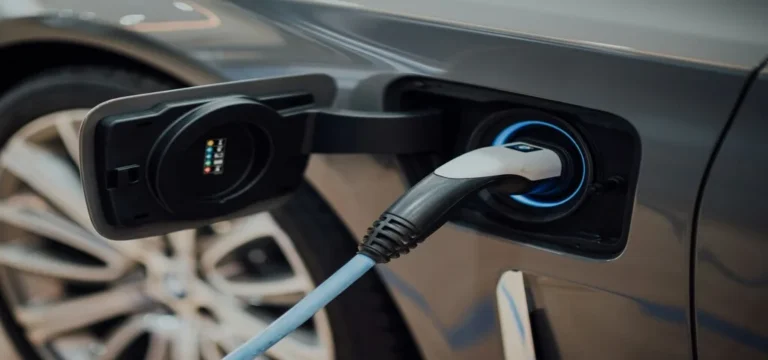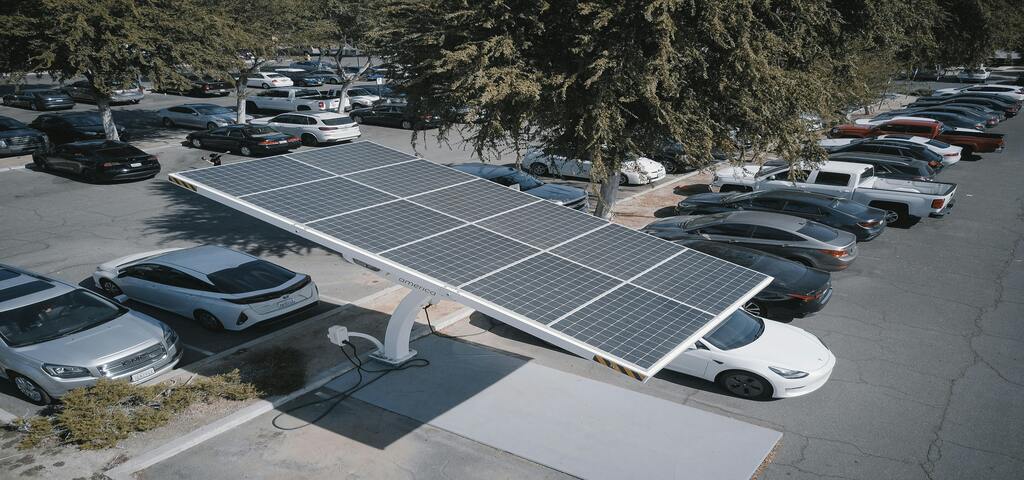
One of the biggest advantages of owning an EV is that you no longer have to rely completely on gas stations. You can simply charge your car at home whenever you need to.
But what if you could also use solar panels to charge electric car?
This is exactly what more homeowners are now looking into.
The idea is simple: Your solar panels generate electricity during the day, and that electricity helps charge your EV instead of pulling all the power from the grid.
And it makes a lot of sense.
After all, if you already have both an electric car and solar panels, combining the two can help reduce your electricity bills significantly.
Now, the short answer is yes, solar panels can absolutely charge your electric car. But just like most things EV charging, there’s a little more to it.
In this blog, I will explain it all. You’ll know:
- How solar EV charging works
- Whether solar panels can fully charge your EV
- How many panels you may need
- The limitations of solar charging
- And whether it’s a practical option for your home
So, let’s get started.
Key takeaways
- Yes, you can use solar panels to charge electric car at home
- Solar panels usually power your home first, then your EV charger
- Most homeowners use Level 2 charging with solar
- The number of solar panels needed depends on your EV and driving habits
- Solar charging can lower electricity costs over time
- Battery storage is optional, but helpful during outages or nighttime charging
- Your electrical panel setup also matters for safe EV charging
Can you use solar panels to charge electric car or not?
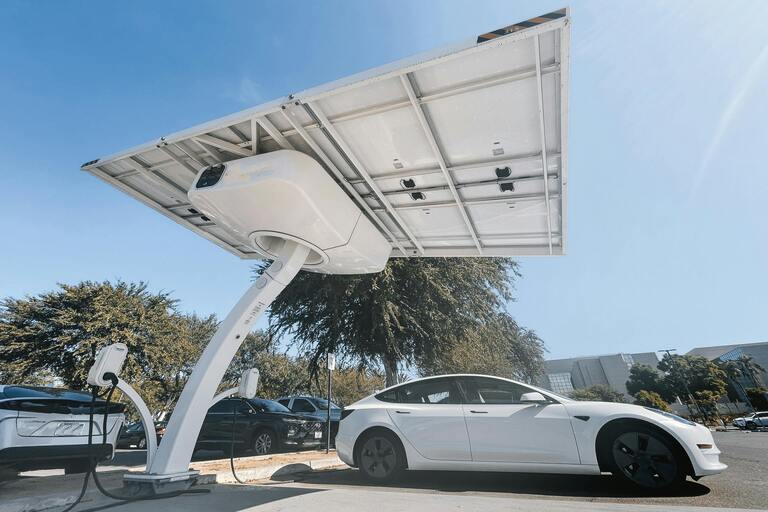
Yes, you absolutely can.
In fact, many EV owners already use solar panels for EV charging at home.
Here’s how it works:
Your solar panels generate electricity during the day. That electricity flows into your home’s electrical system, and your EV charger uses that power to charge your car.
So technically, solar panels do help power your EV.
Now, an important thing to know: In most homes, the solar panels do not directly connect to the car. Instead, the electricity usually flows through the solar inverter, your home electrical panel, and then to your EV charger.
This is exactly why solar EV charging feels very similar to normal home charging. The only difference is that part or all of the electricity comes from solar energy instead of the utility grid.

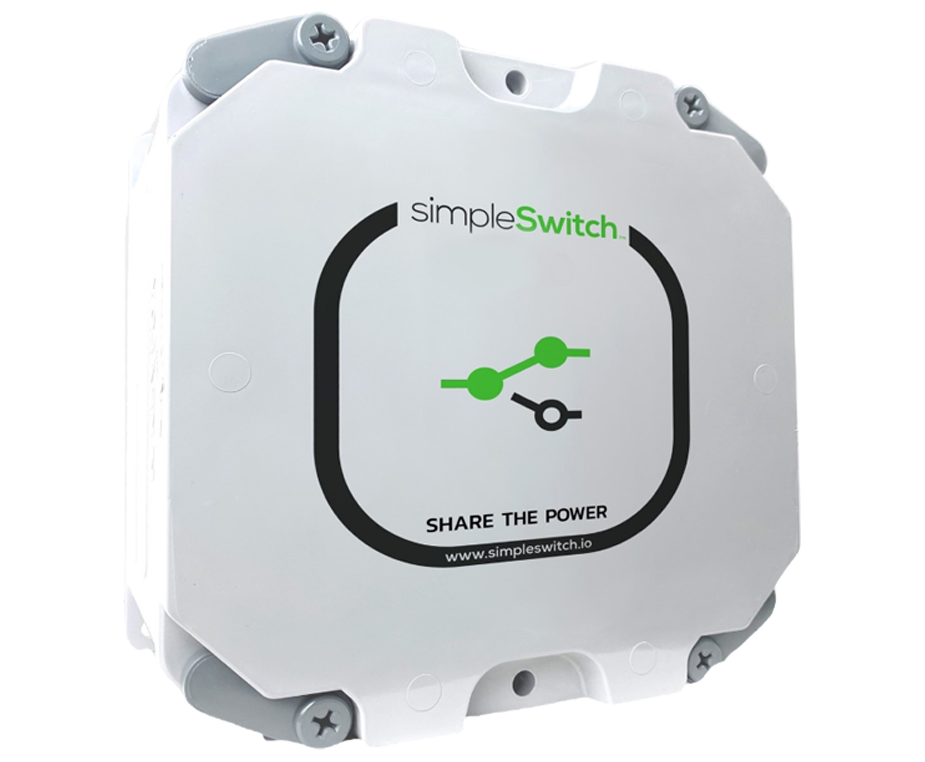
No More $10k Electrical Panel Upgrade to Charge Your EV at Home
simpleSwitch lets you add a Level 2 EV charger to your home without an expensive electrical panel upgrade. Your EV charges safety without panel overload.
 30-day risk-free returns
- NEMA-rated
- Works with your existing panel
How does charging an electric car with solar actually work?
At first, solar EV charging can sound a little confusing. But once you break it down, it’s actually pretty simple.
Here’s what usually happens when you use solar panels to charge EV:
1. Solar panels generate electricity
Your solar panels collect sunlight and turn it into electricity during the day.
The more sunlight your roof gets, the more electricity your system can produce.
2. The electricity powers your home
Once the solar panels generate electricity, that power flows into your home’s electrical system.
Now your home can use that electricity for lights, appliances, air conditioning, and even your EV charger.
3. Your EV charger uses that electricity
When you plug in your car, the EV charger pulls power from your home electrical system.
Now, if your solar panels are currently producing enough electricity, your EV can charge partially or fully using solar power. But if solar production is low, your home simply pulls extra electricity from the grid.
So the process feels seamless.
You plug in your car exactly the same way you normally would. The only difference is where the electricity is coming from.
Can a solar panel charge an electric car directly?
Technically, yes.
But in most homes, that’s not how it works.
You see, EVs need a controlled and steady charging process. And because of that, solar panels usually work together with an inverter, your home electrical panel, and an EV charger.
In fact, this setup is essential for EV charging safety.
Now, there are some off-grid systems where a solar panel can charge car battery systems more directly.
But for most homeowners, solar charging happens through the home’s electrical system.
Why do people use solar panels for electric car charging?

There are a few big reasons why homeowners like the idea of solar panels for electric vehicles. And most of them come down to saving money and becoming less dependent on the grid.
Here are the main reasons people choose solar panels to charge EVs:
1. Lower electricity bills
This is usually the biggest reason.
You see, charging an EV increases your home’s electricity usage. And depending on how much you drive, your total home EV charging cost can slowly add up over time.
But if your solar panels generate enough electricity during the day, you can offset a big portion of that charging cost.
So instead of buying all your electricity from the utility company, you’re using your own solar power.
2. Cleaner and more sustainable charging
A lot of EV owners also want cleaner transportation overall. And using solar panels for EV charging helps with that.
After all, if your car is powered using sunlight, you reduce your dependence on fossil-fuel-based electricity even further.
This makes the entire driving experience feel more energy-efficient and environmentally friendly.
3. More energy independence
Electricity prices continue to rise in many areas. And because of that, homeowners want more control over their energy usage.
Solar helps reduce how much electricity you need from the grid.
And if you combine solar panels with solar battery storage, you can even keep some backup power during outages.
4. Better long-term savings
Yes, installing solar panels requires an upfront investment. But over time, many homeowners recover those costs through lower utility bills and EV charging savings.
And if you drive frequently, the savings can become even more noticeable over the years.
Plus, you even become eligible for IRS’s residential clean energy credit and recover up-to 30% of your investment in tax benefits.
In short, here’s why people use solar panels for electric car charging:
| Reason | Benefit |
| Lower electricity bills | Reduces EV charging costs |
| Cleaner energy | More sustainable driving |
| Energy independence | Less reliance on utility companies |
| Long-term savings | Potential lower energy costs over time |
What type of EV charger works best with solar panels?
In most cases, homeowners use a Level 2 EV charger with solar panels. And that’s usually the best setup for daily charging.
You see, Level 1 charging is very slow as it uses a regular wall outlet and adds only a few miles of range per hour. So while it technically works, it’s not ideal for most EV owners.
Level 2 charging, on the other hand, is much faster. It uses a dedicated 240V circuit and can charge your EV several times faster than a standard outlet.
That’s why most solar EV charging setups are paired with a Level 2 charger. It allows homeowners to charge faster, better use daytime solar production, and manage charging more efficiently.
Note: Your electrical panel still needs to safely support Level 2 EV charger, solar panel setup, and the rest of your home appliances together. And if your panel capacity is limited, this can become a challenge.
That’s why I always suggest homeowners use an electrical load sharing device like simpleSwitch for safe home EV charging without electrical panel overload.
How many solar panels do you need to charge an EV?
There’s no exact number of solar panels that works for everyone. And the answer depends on a few different things such as:
- How much you drive
- What type of EV you own
- How efficient your car is
- How much sunlight your area gets
- And how much electricity your solar system produces
Generally speaking, most homeowners need somewhere between 6 to 12 solar panels to offset the electricity used for EV charging.
Now, that’s only a rough estimate.
So some drivers might need fewer panels if they drive shorter distances, have a highly efficient EV, or already produce excess solar energy.
At the same time, others might need more panels if they drive long distances daily, own larger EVs, or want solar to cover both home usage and EV charging together.
Can solar panels fully charge your electric car?
Yes, they absolutely can. But it depends on how much electricity your solar panels generate.
For instance, if your solar panels produce enough energy during the day, they can completely offset your EV charging needs. In this case, your car is essentially running on solar energy most of the time.
But here’s what many homeowners don’t realize: Your EV charging and solar production do not always happen at the same time. For instance:
- Solar panels generate electricity mostly during daytime
- Many people plug in their EVs at night
And because of that, your home might still pull electricity from the grid when solar production is low or unavailable.
Now, if your utility company offers net metering, this becomes much easier to manage.
During the day, your solar system may send excess electricity back to the grid. Then at night, you can pull electricity back when charging your EV.
So even if the charging doesn’t happen directly from sunlight in real-time, your solar system can still offset those charging costs overall.
Bonus: You don’t need battery storage for solar EV charging
A lot of homeowners think battery storage is required for charging an electric car with solar. But in reality, most solar EV charging systems work perfectly fine without batteries.
That’s because during the day:
- Your solar panels power your home,
- Your EV charger uses that electricity,
- And excess power may go back to the grid.
Then later, when you charge your EV at night, your home pulls electricity from the grid as needed. So battery storage helps, but it is not mandatory.
Now, there are still some situations where batteries make sense. For instance:
- You need backup power during outages
- You want to use solar power during nighttime
- You simply want more energy independence
What are the challenges with using solar panels to charge EV?
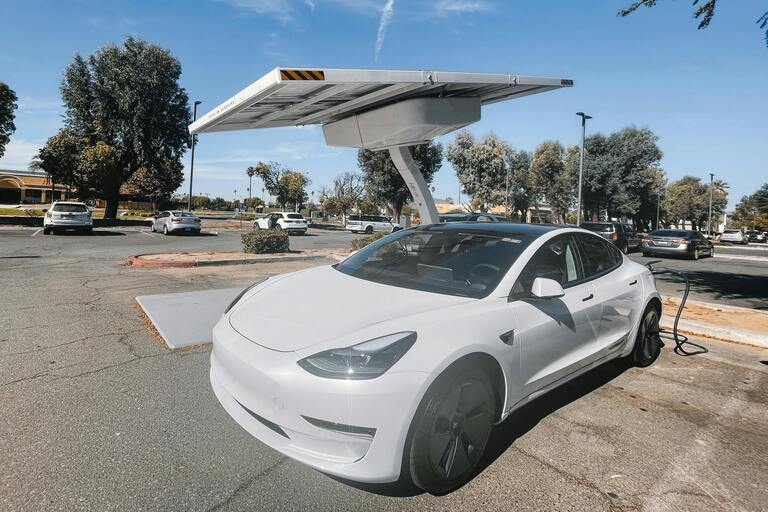
Now, even though solar EV charging sounds great, there are still some limitations you should know about.
All in all, here are some common challenges homeowners run into:
1. Energy production changes throughout the day
Solar panels don’t produce the same amount of electricity all the time. Their output depends on sunlight, weather, season, and time of day.
So on cloudy days or during winter months, your system can generate less electricity than expected. And because of that, your home might still rely more on the utility grid at certain times.
2. Initial installation costs can be high
This is one of the biggest reasons some homeowners hesitate.
Installing solar panels, EV chargers, and sometimes battery storage can require a significant upfront investment.
Now yes, there can be long-term savings. But the initial setup cost is still something you need to plan for.
3. Roof space limitations
Not every roof can support a large solar system. Some homes may have limited roof space, shading issues, or roof directions that reduce solar production.
And because EV charging increases electricity demand, homeowners might need larger systems than expected.
4. Electrical panel limitations
This is another important issue many people overlook.
Adding solar panels, EV chargers, and other large appliances can put additional demand on your home’s electrical panel. And in older homes especially, the panel may not have enough available capacity.
That’s where homeowners sometimes face expensive panel upgrades, charging limitations, or load management challenges.
In short, here are some challenges with using solar panels for electric car charging:
| Challenge | What happens |
| Weather dependency | Solar output changes daily |
| Higher upfront cost | Installation can be expensive |
| Roof limitations | Some homes support fewer panels |
| Electrical panel capacity | Existing panel might become overloaded |
Bonus: Here are a few simple tips for everyday solar EV charging
| Tip | Why it matters |
| Use a Level 2 charger | Faster and more practical daily charging |
| Charge during daytime when possible | Helps maximize solar usage |
| Check your electrical panel capacity | Prevents overload issues |
| Size your solar system properly | Helps cover EV charging needs more effectively |
| Consider load management | Balances EV charging with other home appliances |
No More $10k Electrical Panel Upgrade to Charge Your EV at Home
simpleSwitch lets you add a Level 2 EV charger to your home without an expensive electrical panel upgrade. Your EV charges safety without panel overload.
- 30-day risk-free returns
- NEMA-rated
- Works with your existing panel
Final words
I am sure that, by now, you have a clear answer to whether or not you can use solar panels to charge electric car at home.
The short answer is yes, you can use solar panels for electric vehicles charging.
In fact, solar EV charging is becoming more common as more homeowners adopt electric vehicles, rooftop solar, and smarter home energy systems.
But here’s the important thing to remember.
Even though charging an electric car with solar sounds simple, your setup still needs to be planned properly.
Got questions about safe EV charging at home or want to avoid an expensive electrical panel upgrade?
You can get in touch with us!
At simpleSwitch Io, we design state-of-the-art EV energy management systems that help you safely charge EVs without overloading your electrical panel. Our systems are UL-listed and proudly manufactured in the USA.
FAQs about solar panels for EV charging
Can a solar panel charge an electric car?
Yes.
Solar panels can absolutely help charge an electric car by generating electricity that powers your home EV charger.
How many solar panels are needed to charge an EV?
It depends on your driving habits, EV efficiency, and solar production.
But many homeowners need roughly 6-12 panels to offset EV charging usage.
Can you charge an EV directly from solar panels?
In most homes, not directly.
Usually, the solar energy flows through your home electrical system and EV charger before charging the car.
Do solar panels charge EVs at night?
No.
Solar panels only generate electricity during daylight hours.
At night, your EV usually charges using electricity from the grid or battery storage if available.
Is charging an electric car with solar cheaper?
In many cases, yes.
Solar can help reduce the electricity costs associated with home EV charging over time.
Do you need battery storage for solar EV charging?
No.
Most homeowners use grid-connected solar systems without batteries and still successfully charge their EVs using solar energy.
What is the best charger for solar EV charging?
Most homeowners use Level 2 chargers because they provide much faster and more practical charging speeds for daily use.