Just got an electric car and figuring out how to charge it at home?
That’s exciting, but it can also feel a bit confusing at first.
You plug it in your EV, and suddenly a bunch of questions pop up, leaving you wondering:
Can I leave my EV plugged in overnight?
Is my home setup safe enough to charge an EV?
Am I doing anything that could harm your car or your electrical system?
The truth is, EV charging isn’t complicated at all. And with a few basic safety tips, you can charge your car confidently and avoid any problems down the road.
In this blog, I will explain it all. You’ll learn simple EV charging safety tips that will help you charge smarter, safer, and without any stress.
So, let’s get started.
Key takeaways
- EV charging is safe when done with proper setup and certified equipment
- Always use a dedicated outlet or Level 2 charger
- Avoid extension cords and cheap charging setups
- It is safe to leave your EV plugged in overnight with the right setup
- Don’t overload your electrical panel during charging
- Monitor heat, wear, and connection stability regularly
Is EV charging safety really something to worry about?
The short answer is: Yes, but only if you ignore the basics.
You see, EV charging is generally very safe. That’s because modern electric vehicles and chargers come with a lot of built-in safety features.
But here’s the thing. While you plug in your EV, you’re dealing with:
- High voltage
- Continuous load (charging for hours)
- Home electrical systems
And if anything is set up incorrectly, problems can start to arise.
So, although safety isn’t a big worry when you charge electric car at home, it is essential to charge your EV the right way.
Once you follow the right practices, EV charging is one of the safest and most convenient parts of owning an electric car.

No More $10k Electrical Panel Upgrade to Charge Your EV at Home
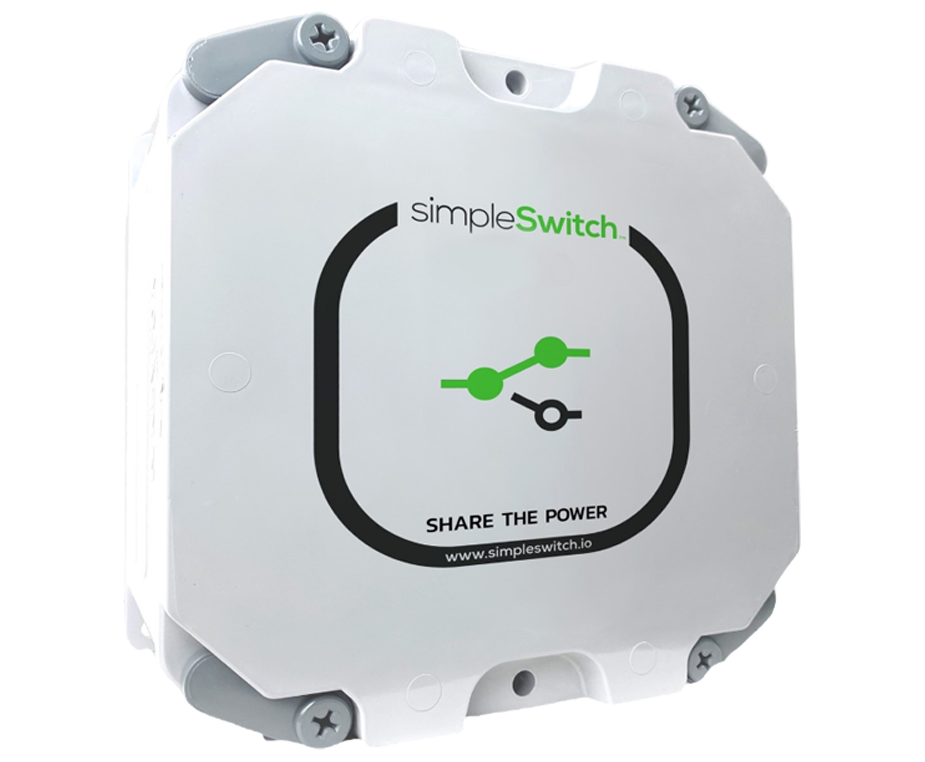
simpleSwitch lets you add a Level 2 EV charger to your home without an expensive electrical panel upgrade. Your EV charges safety without panel overload.
 30-day risk-free returns
- NEMA-rated
- Works with your existing panel
7 EV charging safety tips to know before charging your car
1. Always use a dedicated outlet or charger
This is one of the most important EV charging electrical safety tips you need to follow.
Your EV charger should never share a circuit with heavy appliances like dryers, ovens, or air conditioners.
Why?
That’s because EV charging pulls a lot of power for several hours at a time. And if the circuit is shared, it can overload the wiring, trip breakers, or even cause overheating over time.
The best approach is to use a dedicated 240V outlet or a professionally installed hardwired Level 2 EV charger.
This ensures your EV gets consistent power without putting unnecessary stress on your home’s electrical system.
2. Never use extension cords
Using an extension cord to charge EV might seem like an easy fix if your charger doesn’t reach where you park your car. But it is a big no safety-wise.
You see, most extension cords are not designed to handle the continuous high power that EV charging requires.
So, if you use one for a long time, it can heat up, weaken, and even become a fire hazard. Also, the fact that an extension cord might have loose connections make things worse by increasing resistance and heat buildup.
Even if it works temporarily, it’s not a safe long-term solution.
If your charger can’t reach your car, the better option is to install a proper outlet closer to your parking spot. It is safer, cleaner, and much more reliable.
3. Use certified and high-quality equipment
When it comes to EV charging, quality really matters a lot. After all, using cheap or uncertified equipment can lead to serious problems.
Low-quality chargers might overheat, fail unexpectedly, or even damage your EV’s battery and electrical system. Worst, in some cases, they can also create safety risks like short circuits.
That’s why EV charger security starts with choosing the right equipment. I suggest you go for ENERGY STAR certified EV chargers, ideally with UL ratings like UL 2594.
Also, stick to trusted brands or manufacturer-approved options.
Not sure which EV charger brand is the best?
You can read my blog on the best Level 2 EV chargers and find the right charger brand for your EV.
4. Don’t overload your electrical panel
Here’s something a lot of EV owners don’t think about at first. Your EV charger isn’t the only thing using electricity in your home.
You already have appliances like your HVAC, dryer, oven, and more, running throughout the day.
Now, when you add EV charging on top of that, especially for hours, it can put serious strain on your electrical panel.
This can lead to breaker trips, overheating, or even long-term damage to your wiring.
A smarter way to handle this is using an electrical load sharing device like simpleSwitch. It shares power between your EV charger and other high-power appliances like dryers, so your EV charges safely without overloading your system.
5. Monitor heat and connections
Even if your setup is perfect, it’s still a good idea to keep an eye on things from time to time.
For instance, take a quick look at your outlet and plug during or after charging. And if you notice unusual warmth, a burning smell, discoloration, or a loose connection, that’s a sign something isn’t right.
A little warmth can be normal, especially during long charging sessions. But if it feels too hot to touch, don’t ignore it.
6. Avoid charging in extreme conditions
EV batteries are smart, but they still don’t like extreme temperatures. So, charging your car in very hot or very cold conditions can affect both safety and performance.
In extreme heat, components can warm up faster, while in very cold weather, charging becomes slower and less efficient. Also, these conditions can put extra stress on your battery over time.
The good news is, you can manage this easily. Just park your car in a garage or shaded area whenever possible, and avoid charging immediately after a long drive in high heat.
7. Don’t force plug/unplug while charging
This is something many beginners don’t realize.
Yes, you can unplug an electric car. But you shouldn’t just pull it out while it’s charging.
You see, most EVs lock the charging connector in place during use for safety reasons. So, if you try to force it out, you could damage the connector, wear out the charging port, or even cause small sparks.
The right way to unplug is simple: Stop the charging session first using your car or app, and then unplug it safely.
It only takes a few extra seconds, but it helps protect your charging equipment and keeps everything working smoothly.
TL;DR, Here are all the EV charging safety tips:
| Tip | What to Do |
| Dedicated setup | Use a 240V outlet or Level 2 charger |
| Extension cords | Avoid completely |
| Equipment | Use certified chargers only |
| Electrical load | Don’t overload your panel |
| Monitoring | Check for heat or wear |
| Temperature | Avoid extreme heat/cold |
| Plug handling | Don’t force unplugging |
Is it safe to leave your EV plugged in overnight?
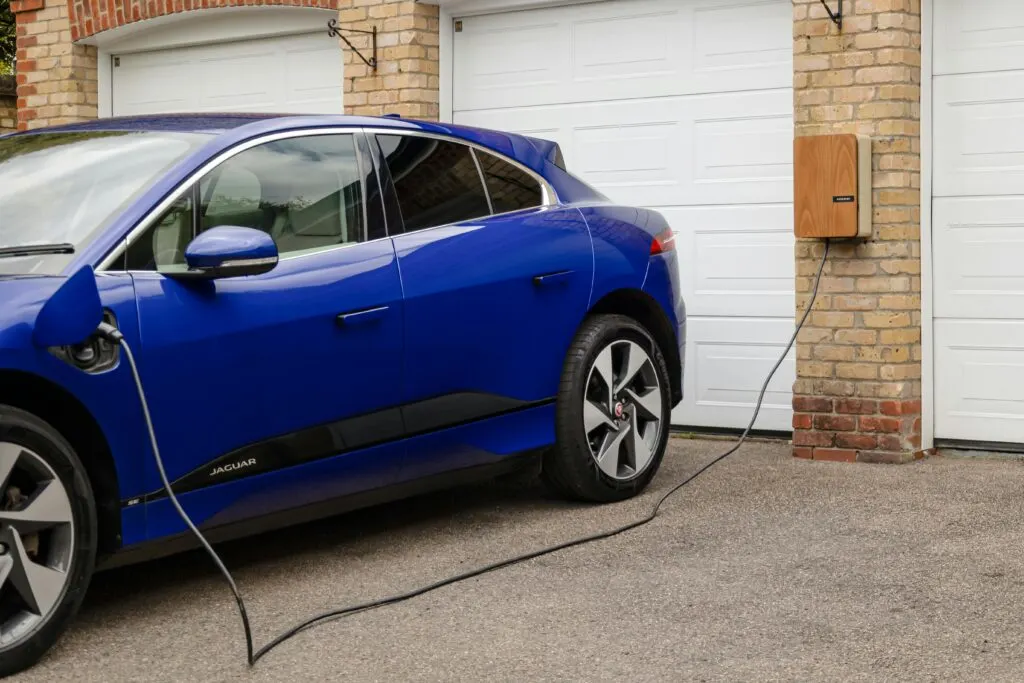
Yes, it’s completely safe to leave your EV plugged in overnight as long as your charging setup is installed properly.
In fact, overnight charging is one of the most common and convenient ways to charge your EV. You plug your car at night and wake up to a fully charged battery.
Plus, modern electric vehicles are designed with smart systems that automatically stop charging once the battery is full. So you need not worry about battery health or overcharging.
Can you leave your EV on while charging?
EVs are designed to prevent driving while plugged in, which is a built-in safety feature.
However, some functions like air conditioning, music, or the display system still work.
That said, you don’t really need to keep your EV on while charging. It is better to let it charge normally without extra power usage.
This keeps things simple, efficient, and avoids unnecessary strain on the system.
Can you leave your electric car at a charging station?
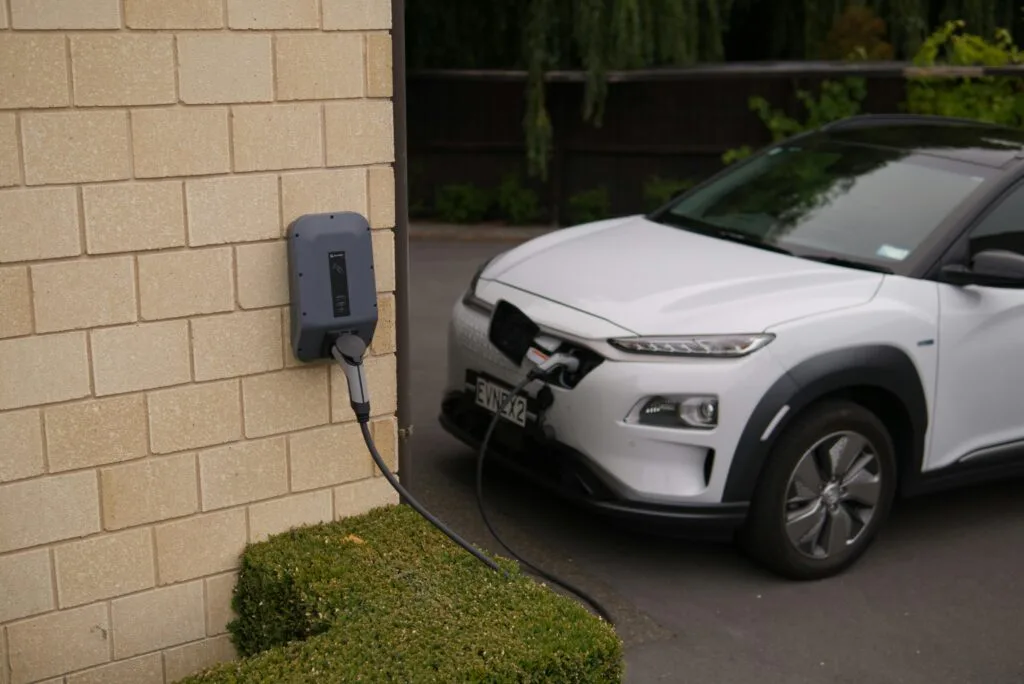
Yes, you can leave your EV at a charging station. However, there are a few important things to keep in mind.
If you’re using a public charger, it’s perfectly fine to step away while your car is charging. But once it’s fully charged, it’s a good idea to move your car as soon as possible.
Why?
Well, other EV drivers might be waiting to use the charger. Also, some charging stations even charge idle fees if your car stays plugged in for too long after charging is complete.
No More $10k Electrical Panel Upgrade to Charge Your EV at Home
simpleSwitch lets you add a Level 2 EV charger to your home without an expensive electrical panel upgrade. Your EV charges safety without panel overload.
- 30-day risk-free returns
- NEMA-rated
- Works with your existing panel
To sum up
EV charging doesn’t have to be complicated or risky.
Once you follow these simple EV charging safety tips, you can charge your car with complete confidence.
Just make sure that you:
- Use the right setup
- Avoid charging shortcuts such as extension cords
- Pay attention to your electrical system
And you’re good to go.
Got more questions or want to install an EV energy management system at your home?
You can get in touch with us!
At simpleSwitch, we bring state-of-the-art, award-winning EVEMS to help you charge your EV at home without an expensive electrical panel upgrade. Our energy management systems are UL-listed and proudly made in the USA.
FAQs about EV charging safety
Is it dangerous to charge an electric car at home?
No, it’s not dangerous when done correctly.
EV charging is very safe if you use a proper setup, certified equipment, and a dedicated circuit.
Problems usually happen only when people use unsafe setups like extension cords or overloaded circuits.
Can I leave my EV plugged in overnight?
Yes, you can safely leave your EV plugged in overnight.
Modern EVs automatically stop charging when the battery is full.
Overnight charging is actually one of the most convenient and cost-effective ways to keep your car ready for daily use.
Can I turn my electric car on while charging?
Most EVs allow limited functions while charging, but you generally don’t need to turn the car on. It’s best to let the vehicle charge without interference.
Also, EVs are designed to prevent driving while plugged in for safety reasons.
Can you unplug an electric car while charging?
You should not unplug your EV abruptly while charging.
Always stop the charging session first using your car or app, then unplug safely. This prevents damage to the connector and ensures a safe disconnection.
Can you leave your electric car at a charging station?
Yes, but only while it’s actively charging.
Once your car is fully charged, it’s good practice to move it so others can use the station. Some stations may also charge idle fees if you leave your car plugged in for too long.