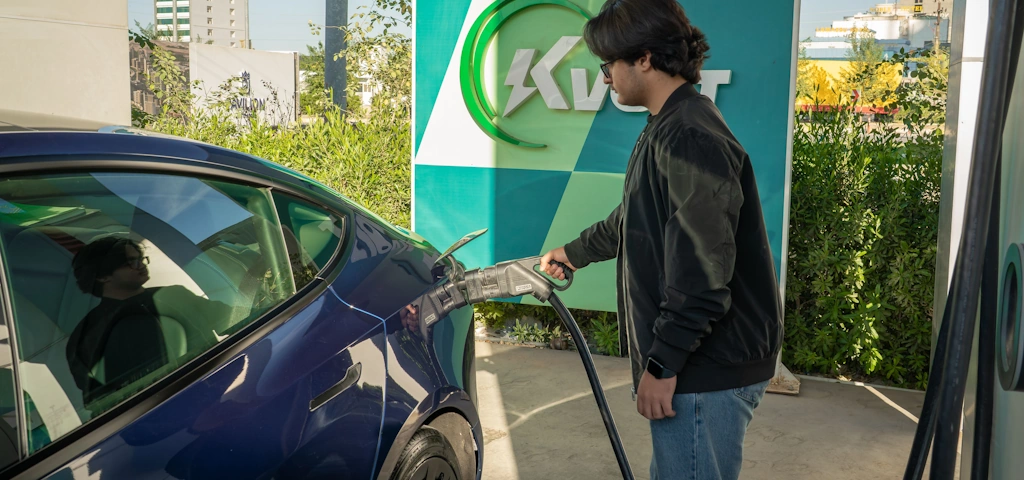
If you are someone who owns or manages an EV charging station, you already know that charging stations are much more complicated than home EV chargers.
There are several vehicles that need to charge at the same time. And you’ve got to monitor the chargers, manage who can use them, and make sure that these chargers are using electricity efficiently without putting unnecessary pressure on your electrical system.
This is where you’ll need an EV charging management system to monitor, coordinate, and manage EV charging. It can help you manage charging sessions, control access, track energy consumption, schedule charging, and even optimize how available electrical power is distributed.
Read on, as I explain everything about electric vehicle charging management systems, including how they work and why they are becoming so important for charging stations.
Key takeaways
- An EV charging management system helps monitor, coordinate, and manage EV charging.
- It can handle charger monitoring, user access, charging sessions, billing, and energy management.
- Smart charging helps coordinate charging based on available power, schedules, or electricity rates.
- Some systems manage charging through cloud-based software, while others control electrical loads locally.
- The right system depends on whether you are charging at home, managing a property, or operating an EV fleet.
What is an EV charging management system?

An EV charging management system is a software platform or control system that helps you manage how electric vehicles are charged. It is used especially at EV charging stations where multiple EVs need to charge at the same time.
Think of it this way. An EV charger supplies electricity to your vehicle, but a charging management system helps you manage everything happening around that charging process.
For instance, if you manage apartment EV charging, you will want to know which chargers are available, how much electricity each vehicle is using, whether a charger has developed a fault, and who is allowed to use it. A charging management system brings all this information together in one place.
Note: Not every EV charging management system offers the same features. While some systems focus mainly on charger monitoring and user management, others also support smart charging, energy optimization, billing, and load management. We will see this in more detail in further sections.
How does an EV charging management system work?
Now that we know what an EV charging management system is, let’s see how it actually works.
The basic idea behind it is simple: The EV chargers communicate with a management platform, which collects information and allows the owner or operator to manage charging.
Here is how the process works:
- The chargers connect to the system: Networked EV chargers connect to the internet and use a communication protocol, like the Open Charge Point Protocol (OCPP), to exchange data with the management system.
- The system collects charging information: It receives information such as charger availability, charging status, energy consumption, and faults.
- Charging rules are applied: Depending on the platform, the operator can manage charging schedules, user access, charging power, or pricing.
- The operator monitors everything: The information is displayed through a dashboard or software interface, making it easier to review charging activity and manage the chargers.
Let’s understand this with a simple example.
Suppose a hotel EV charging station has 10 EV chargers in its parking area. And the hotel manager doesn’t want to walk around checking every charger whenever a guest needs one.
Now, with a suitable EV charging management system, the manager can check charger availability, monitor charging sessions, review energy usage, and receive alerts about certain faults, all from a central platform. This makes EV charging easier to monitor and manage, especially when many chargers are being used at the same time.
What does an EV charging management system do?
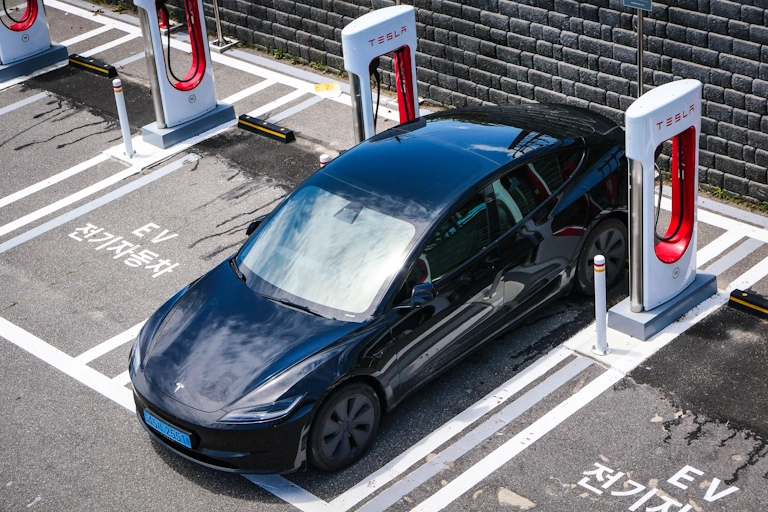
Although the exact features of EV charger management systems vary from one platform to another, most management systems are designed to make charging easier to operate, monitor, and control.
Here are some of the important functions they do:
A. Charger monitoring and remote control
One of the biggest advantages of a charging management system is that you can monitor your chargers from a central location.
You can check whether a charger is available, currently charging, or experiencing a problem. Also, some platforms support remote commands, such as starting or stopping a charging session or restarting a charger.
This can be particularly useful when you are managing chargers across different locations.
B. User access and charging sessions
If your chargers are being used by employees, residents, customers, or for EV fleet charging, you might need to control who can access them.
A management platform can support this through different access methods, such as mobile applications, RFID cards, or user accounts, depending on the system. Also, it can help you track individual charging sessions and understand how the chargers are being used.
C. Billing and payment management
Some EV charging management platforms allow operators to charge users for the electricity they consume.
For instance, let’s say you manage a commercial property that offers paid charging to visitors, or an apartment charging station that tracks charging costs for residents.
In this case, you can use the charging management system to set pricing rules, process payments, and keep charging records.
Note: These features are not available in every system, so do check if your system offers this.
D. Smart energy management
This is another important function of management systems, especially when several EV chargers are connected to the same electrical system.
A charging management system can coordinate charging power according to available electrical capacity, building demand, or charging schedules.
Here, instead of allowing every charger to draw its maximum power at the same time, the system can use a load management device like simpleSwitch to adjust energy usage when. This helps make better use of the electrical capacity already available at the property.
E. Reporting and analytics
Finally, charging management systems can also provide reports on energy consumption, charging sessions, charger performance, and usage patterns.
This information helps property owners and fleet operators understand how their charging infrastructure is performing and where improvements might be needed.
What are the benefits of EV charging management?
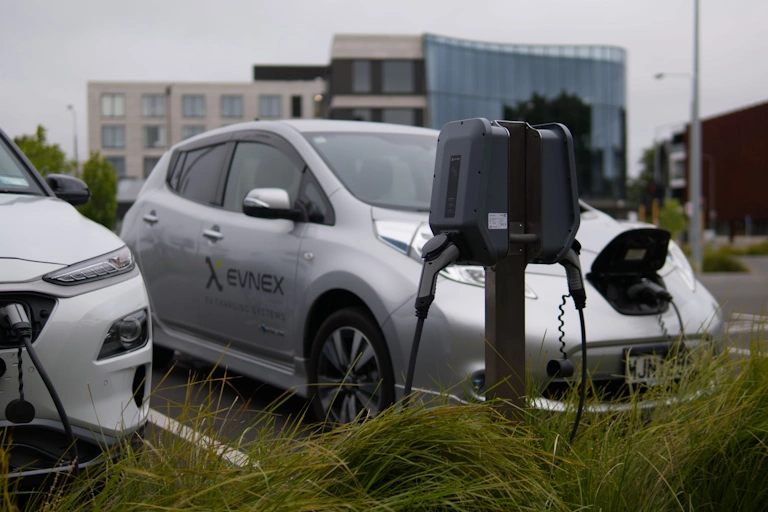
Now that you know how EV management systems help with EV charging optimization, you might be curious why you need one in the first place.
Well, if you are managing just one private EV charger, you might not need a full management platform at all.
But then, if you have several EV chargers, multiple users, or a commercial charging setup, managing everything manually can be very difficult. This is where an EV charging management system becomes really handy.
Overall, here are some benefits you can expect for managing charging stations:
#1. Helps manage the charging station better
With a suitable management system, you can see what is happening across your charging stations.
You can check charger availability, review charging sessions, monitor energy consumption, and identify certain faults without having to inspect every charger individually.
#2. More organized charging
When several people use the same charging stations, things can become confusing.
A management platform helps control user access, track charging sessions, and organize how chargers are used. This is particularly helpful for workplaces, apartment buildings, hotels, and fleet operations.
#3. Better control over charging costs
Some EV charging management systems allow you to schedule charging during off-peak electricity hours or coordinate charging to reduce peak demand. This helps bring down charging costs.
However, your actual savings will depend on your electricity tariff, the system’s capabilities, and how your charging is managed.
#4. Better use of available electrical capacity
This is one of the most useful benefits for properties with multiple EV chargers.
A charging management set-up with an integrated EV energy management system can coordinate charging power according to the electrical capacity available at the site.
For instance, if a building has several chargers and other electrical loads running at the same time, the system can adjust charging power. This helps prevent the electrical demand from exceeding the capacity allocated for charging and causing breaker trips.
#5. Easier management as you add more chargers
As your charging setup grows, monitoring everything becomes even more complicated.
A centralized charging management platform makes it easier to manage multiple chargers, review their performance, and plan future expansion.
Simply put, EV charging management helps you move from simply having chargers installed to actually managing your charging infrastructure efficiently.
What is smart charging technology and is it different from load management?
For starters, smart charging technology allows an EV charging management system to control and coordinate when and how much power an EV receives while charging. Here, instead of allowing vehicles to charge at a fixed rate whenever they are plugged in, the system can adjust charging based on different conditions.
Let’s understand this with a simple example.
Suppose you have three EVs charging at your property during the evening, when other electrical appliances and equipment are also running. And if all three vehicles draw power at their maximum charging rates, they can put unnecessary strain on your electrical system.
A smart charging system coordinates how much power each vehicle receives based on the available electrical capacity and charging requirements. Also, it can schedule some charging for later when electricity rates are lower or more capacity becomes available.
Now, although smart charging and load management are closely related, they serve slightly different purposes.
Smart charging coordinates EV charging based on factors such as electricity prices, charging schedules, vehicle requirements, and available electrical capacity.
Load management, on the other hand, specifically focuses on controlling electrical demand so that the combined load doesn’t exceed the available capacity.
Does every EV charger need a management system?
No, every EV charger does not need a full charging management platform.
If you have a single EV charger at home, you might be perfectly fine with basic charging controls or the scheduling features already available in your vehicle or charger.
However, things change when you have several chargers or multiple people using them.
For instance, apartment buildings, hotels, workplaces, and commercial properties might need a way to monitor chargers, manage access, track usage, and coordinate charging.
EV fleets need even more advanced features, such as charging schedules, energy reports, and vehicle-readiness planning.
How do you choose the right EV charging management system?
The right management system for your EV charging station will depend on the following factors:
- How many EV chargers you need to manage
- Whether the chargers will be used by employees, residents, customers, or fleet drivers
- Whether you need user access controls, billing, or payment processing
- Does the system support your charger models and required communication protocols
- Can it coordinate charging power with your site’s available electrical capacity
- Does it offer the reporting, alerts, and integrations you need
- Will it support your future charging plans
After all, the best system is not necessarily the one with the longest feature list. It is the one that solves your actual problem.
If you need to manage a public charging network, you might require a comprehensive software platform. But if your main concern is managing EV charging within a building’s electrical capacity, an appropriate energy management solution will be more relevant.
FAQs about EV charging management system
What is the difference between EV charging management software and system?
The terms are often used interchangeably. Software is the platform used to monitor and manage chargers, while a complete management system also includes chargers, communication equipment, controllers, or energy-management hardware.
Is an EV charging management system the same as an EVEMS?
No. A charging-station management system generally manages networked chargers and their operations. An EVEMS focuses on managing electrical loads and available capacity. Some installations may use both.
Can an EV charging management system reduce electricity costs?
It can, if the system supports features such as off-peak scheduling or peak-demand management and your electricity tariff makes those features beneficial.
Does an EV charging management system use AI?
Some platforms use AI or predictive analytics to forecast demand and optimize charging schedules. Others use simple programmed rules or dynamic load balancing without AI.
Can smart charging help avoid an electrical panel upgrade?
In some installations, a properly designed load management system can help manage EV charging within the electrical capacity already available. However, it does not replace correct circuit sizing, electrical protection, or code-compliant installation.
Final words
As you can see, an EV charging management system makes it easier to monitor, coordinate, and manage EV charging, especially when several chargers or users are involved.
However, the right solution here depends on what you need to manage. For instance, a home charger might need only basic controls, while a commercial property or fleet might require a more advanced platform.
And if your concern is managing EV charging alongside other electrical loads, an EV energy management system can help you make better use of available electrical capacity at your property.
Got more questions or looking to install an EV energy management system?
You can get in touch with us or buy our EVEMS directly from our shop page!
Our EVEMS devices are award-winning, UL-listed, and proudly manufactured in the USA for top-notch quality.