Has it happened with you that you turned on the microwave while your induction was still on and ended up with a breaker trip?
Well, breaker trips out of electrical overload are more common than you might think. And they happen when your home’s electrical circuits are carrying more load than they should.
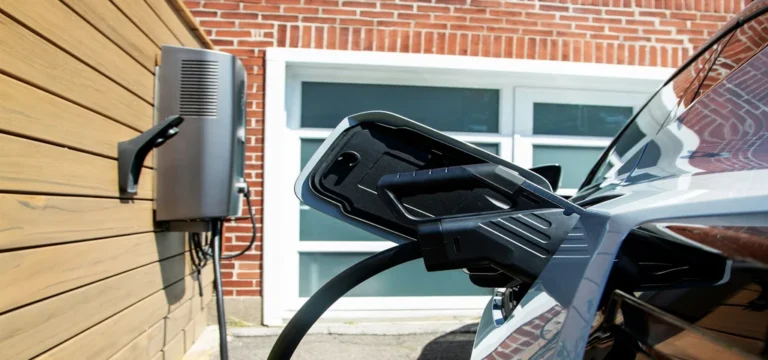
Now, one possible solution to this is installing a dedicated circuit for higher power appliances. For instance, you can install a circuit for charging your electric car as per EV charger electrical requirements.
But what really is a dedicated power circuit, and more importantly, which appliances in your home need one?
Well, in this blog, I have explained it all. So, read on to find a complete list of appliances that need a separate circuit and why it is important for these appliances.
Key takeaways
- A dedicated circuit supplies power to a specific appliance without sharing its load with unrelated devices.
- Electric dryers, ranges, ovens, EV chargers, and water heaters need their own circuits.
- Appliances like microwaves, refrigerators, washers, and air conditioners might also need a dedicated circuit depending on their power needs and local electrical code.
- Frequent breaker trips, warm outlets, or flickering lights all signal an electrical problem that needs checking.
- Adding a dedicated circuit doesn’t mean you need a panel upgrade. An electrician can check your home’s electrical capacity and recommend the right solution.
What is a dedicated circuit?
A dedicated circuit is an electrical circuit designed to supply power to a specific appliance or piece of equipment without sharing its electrical load with other devices. It has a circuit breaker in your electrical panel and wiring sized for the intended load of the appliance.
You see, when an appliance draws a lot of power, giving it a suitable circuit helps prevent other devices from pushing that circuit beyond its capacity.
For instance, an electric dryer draws a lot more power than a phone charger. So putting the dryer on an appropriately sized circuit helps it operate without overloading the circuit being used by other household devices.

No More $10k Electrical Panel Upgrade to Charge Your EV at Home
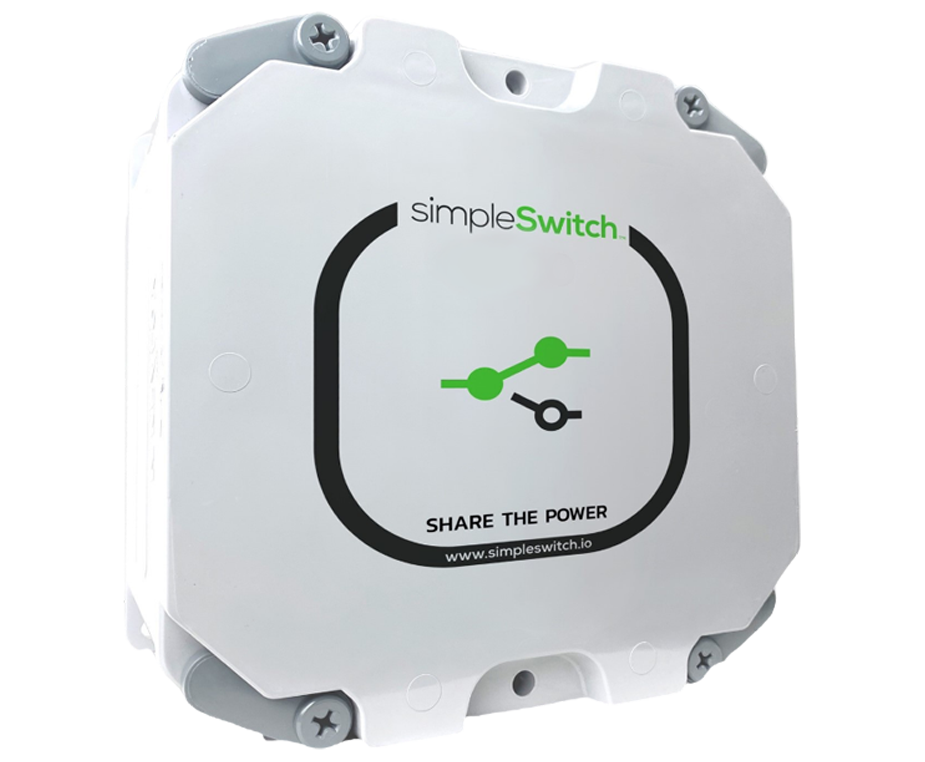
simpleSwitch lets you add a Level 2 EV charger to your home without an expensive electrical panel upgrade. Your EV charges safety without panel overload.
 30-day risk-free returns
- NEMA-rated
- Works with your existing panel
Here’s how a dedicated power circuit is different from a shared circuit:
| Dedicated power circuit | Shared home circuit |
| Serves a specific appliance or intended load | Supplies power to multiple outlets or devices |
| Helps prevent competing loads from overloading the circuit | Requires the combined load to stay within the circuit’s limits |
| Common for major appliances and high-demand equipment | Common for general lighting and everyday outlets |
Which appliances need a dedicated circuit?
While most appliances in your home can operate on a shared circuit, high-power appliances like a washer, dryer, or electric vehicle supply equipment do need a dedicated power circuit.
Now, although is the electrical rating, installation instructions, and your local code that determine whether or not an appliance needs separate circuit, here are some common appliances that need one:
1. Washer
A washer draws power to run its motor, controls, and other components. That’s why a dedicated laundry circuit helps prevent the washer from sharing too much load with other appliances.
Your exact laundry receptacle requirements will depend on the applicable electrical code. So do check the washer’s instructions and have an electrician confirm whether an existing circuit is suitable for it or not.
2. Dryer
Electric dryers commonly need a dedicated circuit because their heating elements and motors draw substantial power. Most dryers use a 240-volt supply connected to 14-30 NEMA connectors, but the exact requirements will depend on your dryer model.
3. Microwave
Both a built-in microwave and a countertop model might need a dedicated circuit, especially if its electrical requirements or installation instructions require one.
You might assume that a microwave plugged into a shared kitchen circuit can safely operate on a shared circuit. And while it is mostly true, they sometimes do contribute to overloads when other high-draw appliances run at the same time.
4. Dishwasher
Dishwashers are high-power appliances that use electricity for pumps, controls, and water-heating components. That is why a lot of dishwashers use a separate circuit. But whether or not your dishwasher needs a separate circuit depends on the appliance and applicable local code.
5. EV charger
Home EV charging equipment, particularly Level 2 EV charger, needs an electrical circuit designed for its charging load.
You see, whole Level 1 chargers can run on a 12-volt circuit, Level 2 chargers typically require a properly sized 240-volt circuit. These charger installations follow the Department of Energy’s guide to charging electric vehicles at home, local codes, and charger specs, which almost always call for a dedicated power circuit.
6. Refrigerator and freezer
A refrigerator runs repeatedly throughout the day, and its compressor draws a lot of power. Here, a dedicated circuit reduces the chance of tripping a shared breaker and interrupt cooling.
A separate circuit might also be needed for a chest or upright freezer, especially if it’s located in a garage or basement.
7. Electric range and oven
Electric ranges, cooktops, and wall ovens all draw substantial power, so they use appropriately sized individual circuits. Their electrical needs vary with the appliance’s rating and configuration, so an electrician can suggest the right circuit size for these.
8. Garbage disposal
A garbage disposal uses a motor that draws extra current when starting or processing food waste. While some garbage disposal installations use a separate circuit; others do use a shared 120v or 240v arrangement as permitted by local code.
9. Air Conditioner
Central air conditioners mostly need a properly sized circuit for the outdoor compressor unit.
Window and portable air conditioners, especially a smaller unit, might work on a suitable existing circuit. But a higher-demand model might still need a dedicated circuit.
10. Furnace and heat pump
Heating equipment often has specific circuit requirements. And this also goes for central heating equipment that requires an individual branch circuit. Heat pumps, at the same time, have separate electrical requirements for different components.
The best thing you can do for a furnace and heat pump is hire an electrician to check the equipment nameplate and manufacturer’s instructions before installing or changing a circuit.
11. Electric water heater
Electric water heaters draw a lot of power to heat water and they mostly use a dedicated circuit.
12. Sump pump
A sump pump helps move water away from your basement or foundation. You might need a suitable dedicated circuit to reduce the chance of another device interrupting power to the pump. This is especially true if you live in a flood-prone area.
Why are dedicated circuits so important?
Dedicated circuits are important because they help keep electrical loads within safe limits and reduce nuisance breaker trips. They can also help prevent one appliance from losing power because another device overloaded the same circuit.
This is essential for equipment that runs frequently, draws significant power, or needs to keep working reliably.
However, a dedicated circuit is not a fix for every electrical problem. A breaker that trips repeatedly might also indicate an overloaded circuit, a faulty appliance, damaged wiring, or another issue.
Bonus: Here are some signs your appliances need a dedicated power circuit
- Breakers trip when certain appliances run together.
- Lights dim when a high-demand appliance starts.
- Outlets or switches feel unusually warm.
- Discolored outlets or a burning smell near electrical equipment.
- An appliance manual that specifies a circuit your home doesn’t appear to have.
Does adding dedicated circuit mean you will also need a panel upgrade?
Not really. Adding a dedicated circuit and upgrading an electrical panel are two different things.
A dedicated circuit gives an appliance its own suitable branch circuit. A panel upgrade, on the other hand, increases the electrical capacity available to your home.
While high-power appliances almost always need a separate circuit, you don’t always need a panel upgrade. An electrician needs to do an electrical load calculation to determine if a panel upgrade is needed in your home.
Frequently asked questions about dedicated circuit
Does every major appliance need its own circuit?
There is no single list that applies to every home. Some appliances do require individual circuits, while others may or may not need one depending on their electrical rating, installation instructions, and local code.
Does a refrigerator need a dedicated circuit?
Yes, a dedicated circuit is recommended for a refrigerator because it can help prevent other devices from interrupting its power.
Do a washer and dryer need separate circuits?
Electric dryers need their own appropriately rated circuit. Washers, at the same time, have different circuit requirements, so do check the washer’s instructions and the applicable laundry circuit rules.
It is likely that both the appliances might need separate circuits depending on the model and their electrical requirements, so don’t assume both appliances can share one circuit.
Does an EV charger need a dedicated circuit?
Yes, Level 2 home EV charging equipment needs a circuit designed for its load and installed according to the manufacturer’s specifications and applicable electrical code. A qualified electrician can suggest the right EV charging setup for your home.
No More $10k Electrical Panel Upgrade to Charge Your EV at Home
simpleSwitch lets you add a Level 2 EV charger to your home without an expensive electrical panel upgrade. Your EV charges safety without panel overload.
- 30-day risk-free returns
- NEMA-rated
- Works with your existing panel
Final words
I am sure you now have a good idea about what is a dedicated circuit. As you can see, dedicated circuits help your home’s appliances operate on suitable electrical circuits without overloading them. Electric dryers, ranges, water heaters, and many HVAC systems all need individual circuits.
Now, adding a dedicated circuit doesn’t mean you will also need an electrical panel upgrade too. In fact, in many cases, an electrical panel upgrade is completely avoidable, all you need is a load sharing device like simpleSwitch.
A device like this uses spare power from high-power appliances that are not in use to safely power other high-power appliances. For instance, if your dryer is not in use, load sharing can let you use an electric range using the spare power from the dryer.
Sounds awesome?
You can install a load sharing device in your home too, just get in touch with us or or order simpleSwitch straightaway from our website.