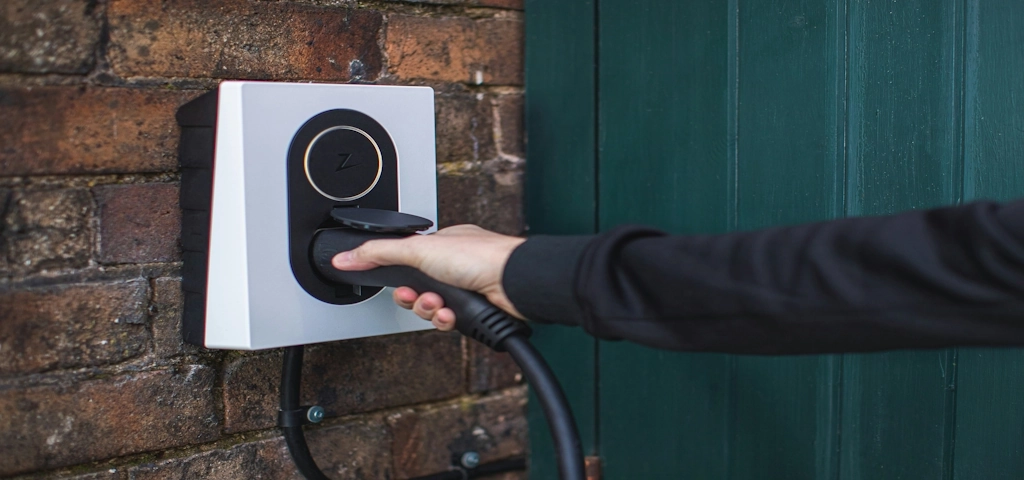
When installing a Level 2 EV charger at home, there are two most popular EV outlet options you’ll come across, namely NEMA 6-50 and NEMA 14-50.
They are both 240-volt outlets, rated for 50 amps, and can be used for Level 2 EV charging. And from my own experience, they both do a good job.
So, what’s actually the difference and which one should you use for your EV?
For starters, a NEMA 6-50 and NEMA 14-50 outlet both provide the same charging performance when they’re installed on properly sized circuits. The only big difference is that a 14-50 has a neutral wire, while a 6-50 does not.
This one extra wire gives the 14-50 outlet more flexibility. However, the simpler wiring of a 6-50 makes it more practical for everyday EV charging.
In this blog, I have explained all the differences between NEMA 6-50 vs 14-50 outlets for EV charging, including charging speeds, installation costs, and safety considerations. Also, I have shared my own take on which makes the most sense for your home.
So, let’s get into it.
Key takeaways
- NEMA 6-50 and NEMA 14-50 are both 240-volt, 50-amp outlets used for Level 2 EV charging.
- A NEMA 14-50 has two hot wires, a neutral, and a ground, while a NEMA 6-50 has two hot wires and a ground.
- Neither outlet is faster for EV charging.
- NEMA 14-50 offers more flexibility, while NEMA 6-50 makes sense for an EV-only installation.
- The right option depends on your EV charger, existing wiring, future plans, and your home’s electrical capacity.
NEMA 6-50 vs 14-50: What’s the difference?
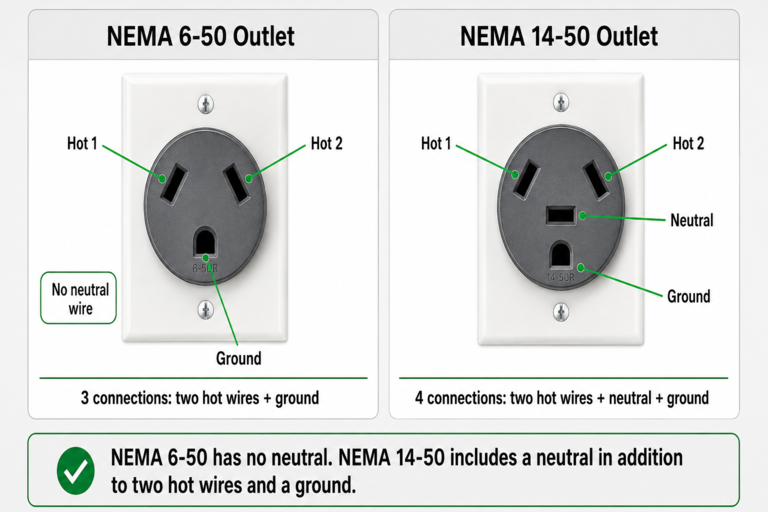
The biggest difference between NEMA 6-50 vs 14-50 outlet is this:
A NEMA 6-50 outlet has three connections: Two hot wires and a ground. And it doesn’t have a neutral wire.
A NEMA 14-50 outlet, on the other hand, has four connections: Two hot wires, a neutral, and a ground.
So why does the 14-50 need that extra neutral?
Well, this neutral allows a 14-50 outlet to support both 120 volt and 240 volt outlet loads. This comes in handy for things like RV hookups and some household appliances.
A NEMA 6-50 outlet, at the same time, is designed for 240-volt appliances only where a neutral isn’t needed. This is one reason you see 6-50 outlets used for heavy equipment such as welders.
Now, here’s what EV owners need to know: Your EV charger doesn’t need the neutral to charge your car. The charger gets its 240-volt power from the two hot wires. Meaning the extra neutral in a NEMA 14-50 doesn’t make your EV charge faster.
Overall, here are all the differences between NEMA 6-50 vs 14-50:
| Feature | NEMA 6-50 | NEMA 14-50 |
| Voltage | 240V | 240V |
| Rating | 50A | 50A |
| Hot wires | 2 | 2 |
| Neutral | No | Yes |
| Ground | Yes | Yes |
| EV charging | Level 2 | Level 2 |
| Main advantage | Simpler EV-only setup | More flexible |
Do NEMA 6-50 and 14-50 outlets both charge EV at the same speed?
Yes, they do.
You see, a lot of people assume that NEMA 14-50 provides higher charging speeds because this is what most blogs and forums recommend.
But that’s not true.
Both NEMA 6-50 and 14-50 outlets are rated for 50 amps at 240 volts. However, since EV charging is a continuous load, a 50-amp circuit is sized for a maximum continuous charging load of 40 amps following the 80-20 rule of EV charging.
So, at 240 volts and 40 amps, both the outlets will support roughly 9.6 kW charging rate. Here’s how:
240V × 40A = 9.6 kW
Also, the actual EV charging time depends on the EV charger and your vehicle’s onboard charging system. So don’t choose a 14-50 simply because you think it will charge your EV faster. It won’t, by itself.

No More $10k Electrical Panel Upgrade to Charge Your EV at Home
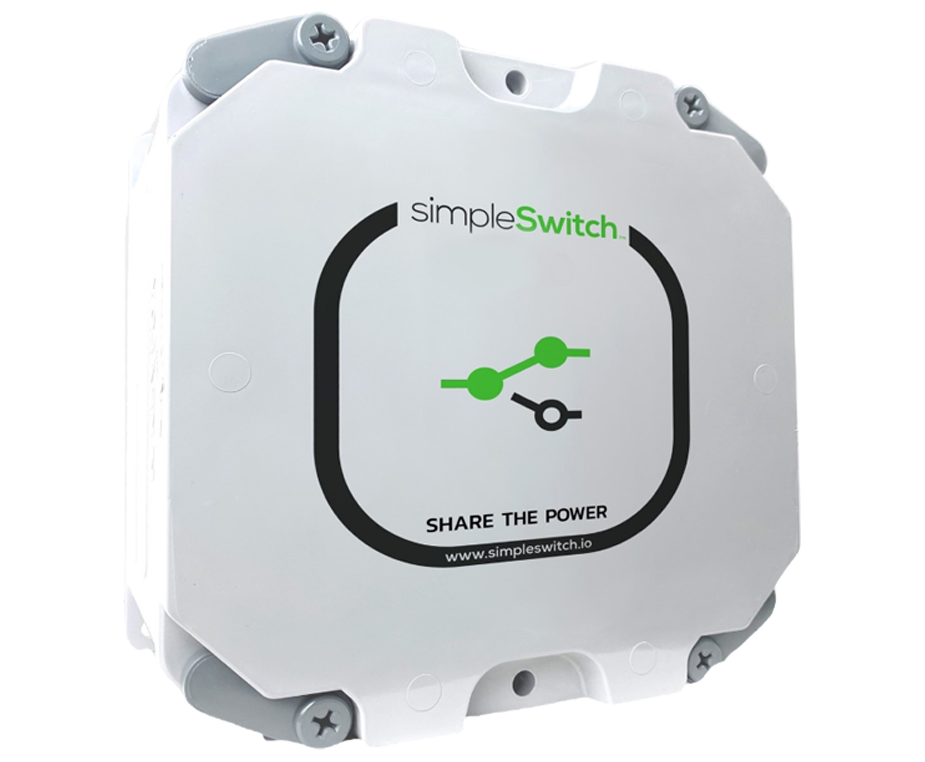
simpleSwitch lets you add a Level 2 EV charger to your home without an expensive electrical panel upgrade. Your EV charges safety without panel overload.
 30-day risk-free returns
- NEMA-rated
- Works with your existing panel
NEMA 6-50 vs 14-50 for EV charging: Which one is cheaper to install?

Since NEMA 6-50 outlets don’t need a neutral wire, the electrical run uses one fewer conductor than a comparable NEMA 14-50 outlet.
This means lower material costs for NEMA 6-50, more so if the electrical panel is far away from your garage and the wiring run is long.
The actual savings, however, will depend on your installation. For instance, the cost difference will be small if your electrical panel is right next to your garage. But on a long wire run, one less conductor will make a bigger cost difference.
So, the outlet itself is only one small part of the total installation cost.
Pro tip: I wouldn’t choose a NEMA 6-50 just because someone told me it will be cheaper. But if you’re installing an outlet specifically for your EV and you don’t need the neutral, it is a practical and economical option.
NEMA 14-50 vs 6-50: Which outlet is more flexible?
If both outlets can charge your EV at roughly the same speed, then what’s the point of preferring one over the other?
Well, the answer is flexibility.
A NEMA 14-50 outlet can support both 240-volt and 120-volt appliances because it has a neutral wire. That’s why you see it used for RV hookups and other equipment that need both voltages.
A NEMA 6-50 is more limited because it is designed for 240-volt appliances only. So, if you’re installing an outlet only for a Level 2 EV charger, a NEMA 6-50 makes perfect sense.
But if you want the outlet to be useful for other uses also, a NEMA 14-50 outlet gives you more options.
Safety tip: Just because NEMA 14-50 outlets can support 120-volt appliances, it doesn’t mean you can put a NEMA 5-15 plug directly into a NEMA 14-50 outlet. Both receptacles have different configurations and require compatible plugs and equipment.
Is a NEMA 6-50 safe for EV charging?
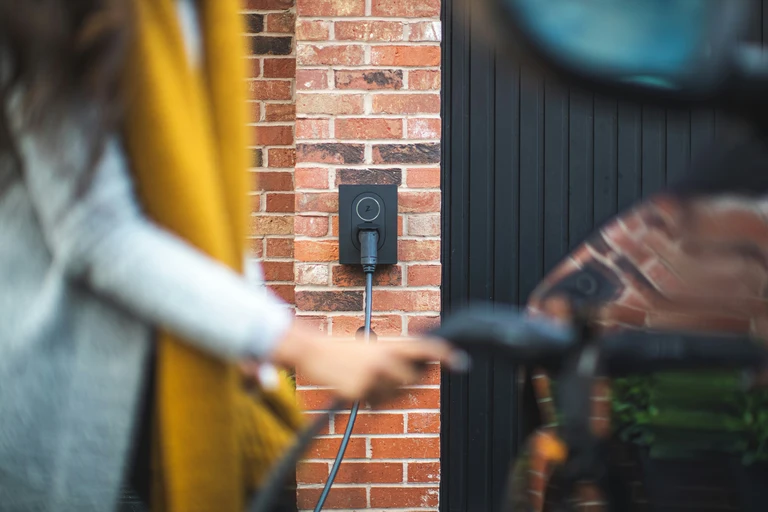
Yes, a properly installed NEMA 6-50 outlet is perfectly safe when used with the equipment designed for it. This is also true for a NEMA 14-50 outlet.
What really matters is whether your electrical installation is designed for the sustained load of EV charging.
You see, your EV can stay plugged in for several hours at a time while continuously drawing current. And that is very different from briefly using a high-power appliance like a dryer or induction cooktop.
This is why the quality of the receptacle, the wiring, the connections, and the circuit protection all are important from a safety point of view.
Safety tip: If you’re installing a new outlet, use a high-quality receptacle that’s rated for EV charging and get the installation done by a professional. Also, if the outlet is loose, discolored, damaged, or showing signs of overheating, don’t plug your EV charger into it.
NEMA 6-50 vs 14-50: Which NEMA outlet should you choose for your EV?

If you already have a properly installed NEMA 6-50 outlet, I suggest you start by looking for a compatible NEMA 6-50 EV charger rather than replacing the outlet.
If you already have a NEMA 14-50, there’s even less reason to change it. It is widely supported and gives you more flexibility for future use.
And you’re installing a brand-new outlet specifically for your EV, here’s the simplest way to decide:
- Choose NEMA 6-50 if the outlet will be EV-only and you want to keep the installation simple.
- Choose NEMA 14-50 if you want more flexibility or want to use the outlet for other equipment in the future.
What if your electrical panel can’t support either outlets for EV charging?
If your electrical panel doesn’t have enough spare capacity to support a Level 2 EV charger, your electrician might suggest upgrading the panel.
Now, the problem is this upgrade can cost up-to $10,000 and is completely unnecessary. That’s because there might still be spare panel capacity when other high-power appliances like dryer, oven, HVAC system, or water heater are not in use.
An EV energy management system like simpleSwitch shares power between your EV charger and other high-power appliances. It helps you use the spare panel capacity to charge your EV safely and efficiently.
That’s awesome, isn’t it?
No More $10k Electrical Panel Upgrade to Charge Your EV at Home
simpleSwitch lets you add a Level 2 EV charger to your home without an expensive electrical panel upgrade. Your EV charges safety without panel overload.
- 30-day risk-free returns
- NEMA-rated
- Works with your existing panel
To sum it up
I am sure that you now have a good idea about what makes sense for your EV charging needs between NEMA 6-50 vs 14-50 outlets.
As you can see, neither outlet is faster or better for EV charging.
A NEMA 6-50 is an excellent option for a dedicated EV charging installation, while a NEMA 14-50 gives you more flexibility as it includes a neutral.
If you already have one of these outlets installed, you don’t need to change it just because you think the other one is more popular.
Got more questions or want to install a load sharing device for EV charging without an electrical panel upgrade?
You can get in touch with us!
At simpleSwitch, we bring award-winning load sharing devices trusted by homeowners across the country. Our devices are all UL-listed and proudly manufactured in the USA.
FAQs about NEMA 6-50 vs 14-50 for EV charging
Is NEMA 6-50 better than 14-50 for EV charging?
Not necessarily. Both are similar NEMA plug types and both provide the same charging power when used with a properly sized circuit and compatible EV charger. The only noticeable difference is that the 6-50 outlet is simpler to install, while the 14-50 outlet is more versatile.
Can I use a NEMA 6-50 outlet for EV charging?
Yes. A compatible NEMA 6-50 EV charger can be used for Level 2 EV charging. You should make sure the outlet, circuit, and charger are properly matched.
Does NEMA 14-50 charge faster than NEMA 6-50?
No. Both are rated for 50 amps, so neither outlet is faster. A typical 50-amp circuit supports up to 40 amps of continuous EV charging, or about 9.6 kW power at 240 volts.
Why does NEMA 14-50 have a neutral?
The neutral wire allows the outlet to support 120-volt loads in addition to 240-volt loads. An EV charger doesn’t need the neutral for 240-volt Level 2 charging.
Should I install a NEMA 6-50 or 14-50 for my EV?
If you’re installing an outlet specifically for EV charging, either can work. A 6-50 makes sense for a dedicated EV installation, while a 14-50 is a better choice if you want greater flexibility for future use.
Do I need to upgrade my electrical panel for a 50-amp EV charger?
Not necessarily. It depends on your home’s electrical capacity and existing loads. In some installations, an EV energy management system such as simpleSwitch can manage available power and help avoid an unnecessary panel upgrade.